Artemisinin
Overview
Artemisinin is a powerful antimalarial compound derived from the plant Artemisia annua, commonly known as sweet wormwood. It was first isolated during a Chinese government research program in the 1960s and 1970s aimed at finding new treatments for malaria. This significant discovery has transformed malaria treatment globally, especially in areas with drug-resistant strains of the disease.
Historical Background
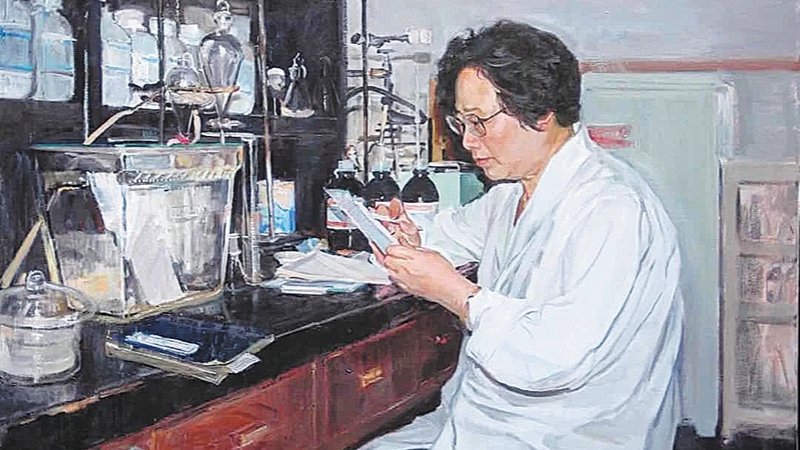
The discovery of artemisinin is rooted in the efforts of Project 523, a secret research initiative launched by the Chinese government in 1967, partly in response to a request from Vietnam for help in combating malaria during the Vietnam War. Traditional Chinese medicine (TCM) was a critical component of this effort, which led to the extraction of artemisinin from the sweet wormwood plant. This breakthrough was pioneered by Chinese scientist Tu Youyou, whose work on the project earned her a Nobel Prize in Physiology or Medicine in 2015.
Mechanism of Action
Artemisinin is effective against malaria because it acts rapidly on the Plasmodium parasites that cause the disease. It works by generating free radicals within the parasite cells, leading to their destruction. This mechanism is particularly effective against the asexual blood stages of the parasite, which are responsible for the clinical symptoms of malaria. Artemisinin derivatives, such as artesunate and artemether, are often used in combination therapies to enhance efficacy and reduce the likelihood of resistance development.
Clinical Significance
Artemisinin-based combination therapies (ACTs) are currently the gold standard for treating uncomplicated malaria. The use of ACTs has been instrumental in reducing malaria-related morbidity and mortality worldwide. These therapies are especially crucial in regions where resistance has developed to other antimalarial drugs like chloroquine and sulfadoxine-pyrimethamine. The rapid action of artemisinin helps to quickly reduce parasite biomass, alleviating symptoms and preventing transmission.
Mass Drug Administration and Global Impact
Mass drug administration (MDA) of artemisinin has been explored in various regions to rapidly decrease the incidence of malaria. For example, in the Comoros islands, such programs led to a dramatic reduction in malaria cases within a few months. However, challenges remain in completely eliminating the disease due to issues such as reintroduction from other areas and incomplete coverage of the population. Despite these challenges, artemisinin remains a crucial tool in global malaria control efforts.
Ongoing Research and Challenges
While artemisinin has revolutionized malaria treatment, ongoing research is essential to address the challenge of emerging resistance. Efforts are underway to enhance the efficacy of artemisinin derivatives, develop new combination therapies, and improve malaria diagnostics. Researchers are also exploring the broader potential of artemisinin and its derivatives in treating other diseases, such as certain types of cancer. Article reference1. A lifetime searching for cures to end the scourge of malaria. chinadaily.com.cn. 2018Photo Gallery(3 pictures)CategoriesInvention and CreationTagModern Scientific InventionRelatedThe Journey of Chinese PlantsCatalogue1. Overview2. Historical Background3. Mechanism of Action4. Clinical Significance5. Mass Drug Administration and Global Impact6. Ongoing Research and Challenges- - - []








