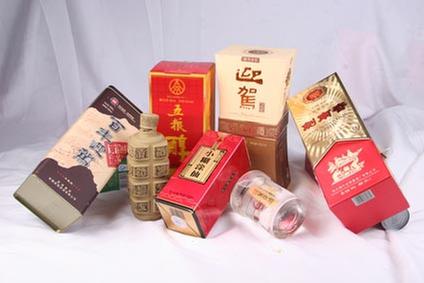
Baijiu
Introduction
Baijiu, also known as "white liquor," is a distilled spirit that holds the title of China's most celebrated alcoholic beverage. With a high alcohol content that often exceeds 50%, it is renowned for its strength and unique flavor profiles. Despite its status as the world's best-selling liquor, Baijiu remains relatively obscure outside of China. Traditionally enjoyed in consecutive shots, Baijiu has been central to Chinese cultural and social gatherings for centuries. The spirit is traditionally consumed during significant celebrations, including Chinese New Year, marking its integral role in Chinese rituals and customs.
Despite its dominant presence in the domestic market, Baijiu is largely unknown in many global markets. This lack of recognition is attributable to its distinctive taste, which can be overwhelming for unaccustomed palates, and the aging demographic of its primary consumers. However, efforts are underway to introduce Baijiu to an international audience, leveraging creative modern interpretations such as Baijiu-based cocktails and infusions. Brands like Moutai, one of the most iconic Baijiu producers, are expanding their reach through strategic global promotions and collaborations.
History
The origins of Chinese alcohol can be traced back to the Neolithic Age, making it one of the oldest known spirits. Archaeological findings indicate that the tradition of alcohol production in China dates back over 6,000 years, with Baijiu emerging as a distinct spirit around 1,000 years ago. The historical significance of Baijiu is closely intertwined with Chinese culture, evolving through various dynasties as a staple in social and cultural practices.
The industrialization of Baijiu production began in the 20th century, with notable brands like Moutai gaining prominence. Moutai, in particular, has been pivotal in Baijiu's history, achieving global recognition and contributing significantly to the Chinese economy. Its production has been geographically protected, emphasizing the traditional crafting methods and regional authenticity.
Over the years, Baijiu has maintained its cultural relevance, symbolizing hospitality and prosperity. As China's national spirit, Baijiu has adapted to contemporary trends while preserving its rich heritage. Events such as World Baijiu Day, initiated in 2015, aim to elevate its global profile, celebrating the spirit in diverse international settings.
Production Process
Raw Materials
The production of Baijiu begins with selecting a variety of grains, the most common being sorghum, although rice, wheat, corn, and barley are also used. The choice of grain significantly influences the flavor of the final product, contributing to the diversity of Baijiu styles.
Fermentation
Fermentation is a critical step in Baijiu production, typically occurring in open fermentation pits. This process relies on the natural environment, with different microflora contributing to the unique tastes and aromas of the spirit. The fermentation period can last several months, allowing the grains to transform under the influence of local yeast and bacteria.
Distillation
After fermentation, the mixture undergoes distillation to extract the alcohol. Baijiu is known for its multiple distillation cycles, which can vary from brand to brand. This meticulous distillation process ensures the spirit's high alcohol content and purity, maintaining the distinct flavor profiles.
Aging
Aging is an essential phase in crafting high-quality Baijiu, where the spirit is stored in clay jars or ceramic containers to mature. This aging process can span several years, allowing Baijiu to develop complex flavor profiles and a smoother texture. The aging environment, including temperature and humidity, plays a crucial role in shaping the final character of Baijiu.
Types of Baijiu
Baijiu is categorized into different types based on the aroma profile, each offering a unique taste experience. The primary categories are "sauce aroma," "strong aroma," "light aroma," and "rice aroma."
Sauce Aroma: Known for its rich, soy sauce-like flavor, this type is epitomized by Moutai. It's complex and often considered an acquired taste.
Strong Aroma: Characterized by fruity and sweet notes, this type uses a blend of grains and is fermented in centuries-old mud pits, resulting in a robust flavor.
Light Aroma: Sorghum-based and fermented in clay pots, this type is known for its milder profile and is more accessible to newcomers.
Rice Aroma: Originating from southern China, this Baijiu has a sweeter and more delicate flavor, often appealing to a broader audience.
Cultural Significance
Baijiu's cultural significance in China is profound, deeply woven into the fabric of social customs and traditions. It is a symbol of hospitality, often served on auspicious occasions and during celebrations. The act of "ganbei," or bottoms-up drinking, is a common practice in Chinese social gatherings, reflecting respect and camaraderie.
Historically, Baijiu has been used in traditional Chinese medicine and rituals, embodying both cultural and spiritual dimensions. Its role extends beyond personal and social domains to national identity, being recognized as China's national spirit.
Global Influence
The global influence of Baijiu is steadily growing, with initiatives to introduce the spirit to international markets. World Baijiu Day is one such effort, aiming to familiarize global audiences with Baijiu's diverse styles and flavors. International bars and restaurants have begun incorporating Baijiu into modern cocktail creations, appealing to younger, trend-savvy consumers.
Collaborations with global brands and participation in international events have positioned Baijiu as an emerging spirit on the world stage. As consumers worldwide become more adventurous, Baijiu is poised to gain recognition, contributing to the global spirits market's cultural tapestry.








