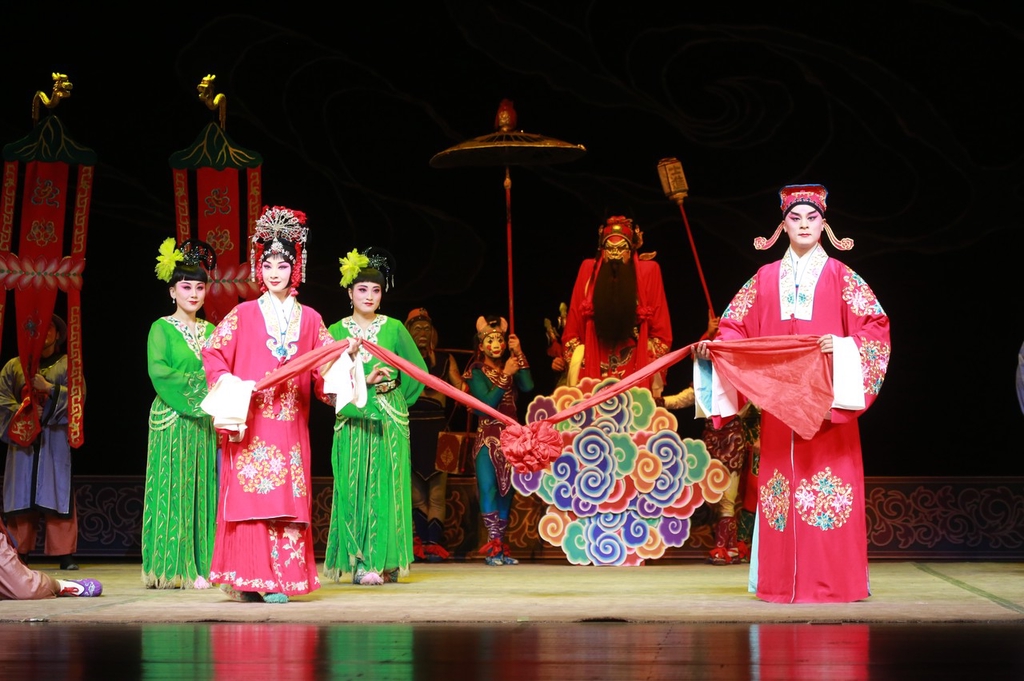
Bangzi
Introduction
Bangzi, commonly referred to as Wooden Clapper Opera, is a traditional Chinese opera genre characterized by its vibrant and rhythmic singing style. Originating during the Qing Dynasty (1644-1911), Bangzi opera is performed in various regional dialects and accompanied by a live band featuring percussion instruments, gongs, and cymbals. This opera form has evolved into several regional styles, each with distinct characteristics and cultural significance. Bangzi opera has been included in the national intangible cultural heritage list since May 2006.
The Hebei Bangzi Opera, one of the most prominent regional styles, is particularly celebrated for its melodious singing and dynamic performances. It is deeply rooted in the local culture of Hebei province and has gained recognition both domestically and internationally. The Hebei Bangzi Opera Theatre, established in 1959, has played a significant role in preserving and promoting this art form. The theater has trained numerous talented artists, many of whom have achieved national acclaim, and has produced a repertoire of over 100 high-rated plays, some of which have been adapted into films and television productions.
Types of Bangzi
Bangzi opera encompasses several regional styles, each reflecting the unique cultural and linguistic characteristics of its place of origin. Some of the prominent types of Bangzi opera include:
Hebei Bangzi
Hebei Bangzi is the main type of drama in Hebei province, performed in the local Hebei dialect. It is known for its energetic and expressive singing style, which is accompanied by traditional musical instruments such as percussion, gongs, and cymbals. Hebei Bangzi has a rich repertoire of classical and newly created operas, including "Zhong Kui," "The Lotus Lantern," "Ne Zha," and "Stopping the Horse." These performances often draw inspiration from Chinese folklore and historical narratives.
Laiwu Bangzi
Laiwu Bangzi, also known as Laiwu wooden clapper or Laiwu ballad, originates from the Laiwu district in Jinan, Shandong province. It is a national intangible cultural heritage item and is popular in the Taishan Mountain and Yimeng Mountain areas. This style of Bangzi opera is characterized by its straightforward and strong portrayal of the local people's character.
Puju Bangzi
Puju Bangzi is prevalent in the Shanxi region and was formed during the Ming Dynasty (1368-1644). This style is distinguished by its unique singing style and has been showcased in various cultural events, such as the Puju Opera Art Week in Yuncheng, Shanxi province. Notable performances include "Righteousness above Family Loyalty," which tells a story of justice in ancient China.
Huaibei Bangzi
Huaibei Bangzi Opera is a lively and passionate style of theater art that is popular in Anhui province. Productions like "The Youth Age" highlight historical and social themes, showcasing the opera's ability to adapt to contemporary narratives while preserving its traditional essence.
Performance Techniques
Bangzi opera is renowned for its dynamic and captivating performance techniques, which combine singing, acting, dancing, and live musical accompaniment. The rhythmic use of wooden clappers sets the tempo and enhances the dramatic effect of the performances. The singing style in Bangzi opera is characterized by its powerful and resonant vocal delivery, which conveys the emotional depth of the characters and the storyline.
Actors in Bangzi opera often perform intricate dance movements and gestures that are deeply rooted in traditional Chinese culture. These movements are designed to complement the narrative and express the characters' emotions and intentions. Costumes and makeup play a crucial role in enhancing the visual appeal of the performances. Artists typically craft their costumes by hand and apply elaborate makeup to portray their characters vividly.
The live musical accompaniment in Bangzi opera is an integral part of the performance, featuring traditional Chinese instruments such as gongs, cymbals, and percussion. The music not only supports the singers but also sets the mood and pace of the story, creating a harmonious blend of sound and action.
Influence and Adaptation
Bangzi opera has had a profound influence on Chinese culture and performing arts. Its unique style and rich repertoire have inspired numerous adaptations into films, television dramas, and other media. For instance, the Hebei Bangzi Opera Theatre has successfully adapted several of its plays, such as "The Lotus Lantern" and "Ne Zha," into films and TV productions, earning widespread acclaim.
The theater has also actively participated in international cultural exchanges, showcasing Bangzi opera in countries such as Japan, Singapore, France, Italy, Colombia, Greece, Cyprus, and Spain. These performances have introduced audiences worldwide to the charm and artistry of this traditional Chinese opera form.
In recent years, efforts have been made to preserve and promote Bangzi opera through digital and mobile technologies. Initiatives such as uploading opera episodes to social media platforms and live-streaming performances have helped attract younger audiences and ensure the survival of this cultural heritage. The Hebei Bangzi Opera Theatre, for example, has embraced platforms like WeChat and Kuaishou to reach a wider audience and adapt to contemporary entertainment trends.
Furthermore, academic research and cultural preservation projects have been undertaken to document and study Bangzi opera and other traditional Chinese art forms. Scholars and researchers have collected historical materials, interviewed folk artists, and recorded performances to safeguard the legacy of Bangzi opera for future generations.
Bangzi opera continues to evolve, with new works addressing contemporary social issues and themes. These adaptations aim to resonate with modern audiences while maintaining the traditional essence of the art form. Through collaboration with performance companies, brokerages, and media producers, Bangzi opera is poised to remain a vibrant and influential part of China's cultural landscape.








