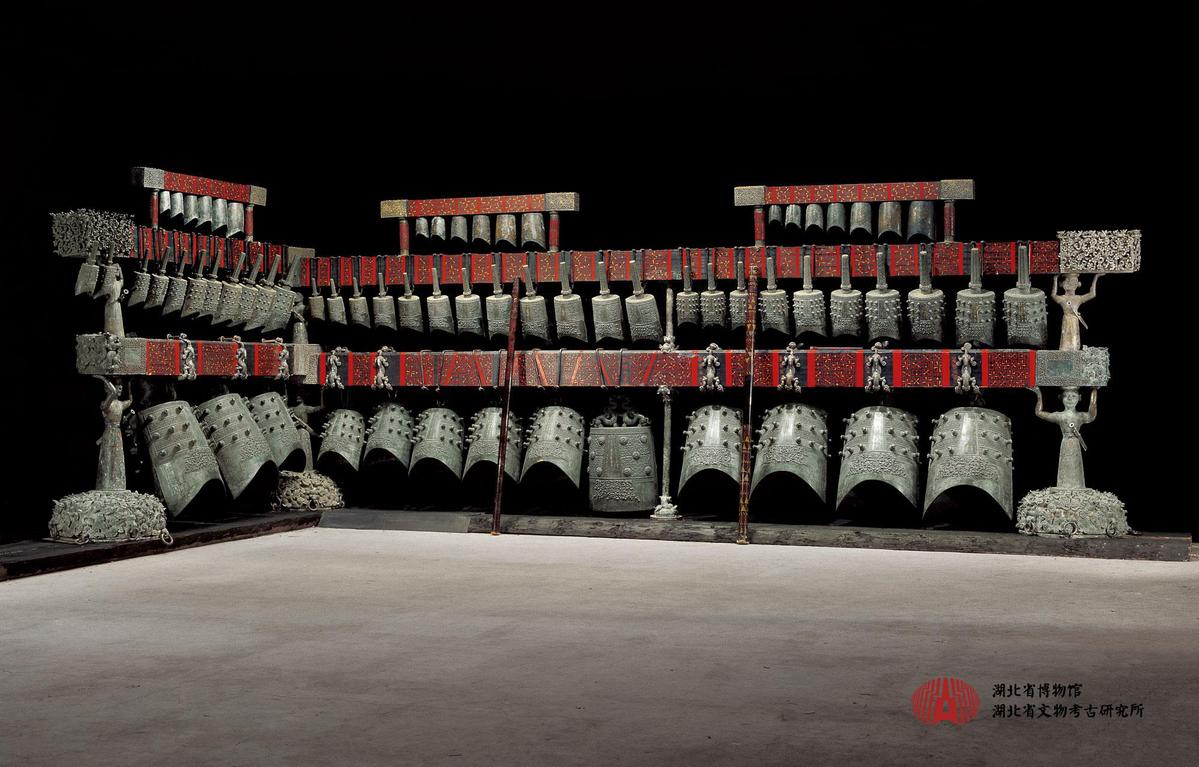
Bianzhong
Introduction
Bianzhong, a fascinating and historically significant Chinese musical instrument, refers to an ensemble of bronze bells that have been used in China for over two millennia. With origins dating back to the Western Zhou Dynasty (c.11th century-256 BC) and flourishing from the Spring and Autumn Period (770-476 BC) to the Han Dynasty (206 BC-220), the bianzhong consists of a series of bells of varying sizes, each producing different sounds when struck. The most famous set of bianzhong, discovered in 1978 from the tomb of Marquis Yi of Zeng in Suizhou, Hubei province, comprises 65 bells capable of producing a complete 12-tone scale over five octaves, an extraordinary achievement for its time. These bells are celebrated as a pinnacle of musical instrument development in ancient China. The bianzhong's unique sound and cultural significance have inspired contemporary composers like Robert Zollitsch to explore and revive this ancient musical heritage.
History
Origin and Development
The bianzhong emerged during the Western Zhou Dynasty, serving both ceremonial and musical purposes in ancient China. The bells were intricately cast and tuned to produce specific pitches, highlighting the advanced metallurgical and acoustic knowledge of the time. The instrument's development continued through the Zhou to the Han Dynasty, where it held a vital role in court and ritual music. The set unearthed from Marquis Yi's tomb represents the zenith of bianzhong craftsmanship, showcasing a sophisticated understanding of musical theory and technological prowess.
Historical Significance
The discovery of the bianzhong set from Marquis Yi's tomb profoundly impacted our understanding of ancient Chinese music and metallurgy. These bells underscore the cultural and artistic sophistication of the Warring States Period (475-221 BC), revealing the importance of music within the social and political fabric of the time. The bianzhong was not merely a musical instrument but a symbol of power and prestige, often used in state rituals by the ruling elite. The preservation and study of bianzhong offer invaluable insights into the ceremonial practices and technological advancements of ancient China.
Structure and Design
Materials Used
Bianzhong bells were primarily made from bronze, a material favored for its durability and resonant qualities. The alloy composition and casting techniques were meticulously controlled to ensure each bell could produce the desired pitch. The use of bronze also allowed for intricate inscriptions and decorations, which added to the aesthetic and symbolic value of the bells.
Construction Techniques
The construction of bianzhong involved sophisticated casting methods, including lost-wax casting, which allowed for precise shaping and tuning. Each bell was designed to produce two distinct pitches, depending on where it was struck, showcasing an advanced knowledge of acoustics. The bells were usually mounted on an elaborate wooden frame, arranged by pitch, facilitating their use in musical performances and rituals.
Musical Characteristics
Sound and Acoustics
Bianzhong bells are renowned for their distinctive sound, characterized by a rich, sonorous tone and the ability to produce multiple pitches from a single bell. This dual-tone capability is achieved through the unique elliptical cross-section of the bells, which allows them to vibrate at different frequencies. The entire set spans five octaves, supporting a complete 12-tone scale, which was exceptionally advanced for its time and provided a wide range for musical expression.
Performance Techniques
Playing the bianzhong requires specialized knowledge and skill. Performers strike the bells with wooden mallets, targeting specific areas to elicit the desired pitch. The arrangement of the bells on their frame facilitates a fluid performance style, allowing musicians to create complex melodies and harmonies. Mastery of the bianzhong involves understanding both the musical and historical context of the instrument, as well as the technical aspects of its construction and sound production.
Cultural Significance
Role in Rituals and Ceremonies
Throughout Chinese history, bianzhong played a crucial role in state rituals and ceremonies, symbolizing authority and cultural sophistication. The sonorous tones of the bells were believed to connect the earthly realm with the divine, making them an essential aspect of religious and political events. Their use in rituals underscored the importance of music in maintaining social order and expressing the values and beliefs of the ruling class.
Symbolism
Bianzhong symbolizes the harmonious blend of art, science, and spirituality in ancient Chinese culture. The instrument represents not only a technological achievement but also the cultural emphasis on music as a means of communication and expression. The intricate designs and inscriptions on the bells often reflect the philosophical and cosmological beliefs of the time, making them a valuable resource for understanding ancient Chinese symbolism and thought.
Preservation and Legacy
Modern Use and Exhibitions
Today, bianzhong continues to captivate audiences worldwide through museum exhibitions and musical performances. Museums like the Hubei Provincial Museum showcase these ancient artifacts, educating the public about their historical and cultural significance. Contemporary musicians and composers, inspired by the unique sound of the bianzhong, have incorporated the bells into modern compositions and performances, bridging the gap between ancient and contemporary music.
Conservation Efforts
Preservation of the bianzhong involves meticulous restoration and conservation techniques to maintain their structural integrity and acoustic properties. Advances in technology, such as 3D scanning and printing, have enabled conservators to restore damaged bells and create replicas for study and performance. These efforts ensure that the bianzhong, along with its rich cultural heritage, continues to be accessible and appreciated by future generations.








