Biluochun
Introduction
Biluochun is one of China's most revered green teas, known for its unique characteristics and rich history. Originating from the Dongting Mountain region near Taihu Lake in Suzhou, Jiangsu province, this tea boasts a legacy of over a thousand years. The name "Biluochun", which translates to "green spiral spring", reflects the tea’s distinctive spiral appearance and its early spring harvest. Recognized for its high quality and delicate picking process, Biluochun is often associated with a fruity fragrance and floral aroma, owing to the unique practice of planting tea trees among fruit trees. This method of cultivation imparts a subtle, natural sweetness to the tea, setting it apart from other green teas.
History
The history of Biluochun dates back over a millennium, with its origins rooted in the Dongting Mountain area near Taihu Lake, one of China's largest freshwater lakes. It is said that the tea was discovered by a nun who was enchanted by its aroma upon brewing a few leaves. The tea’s enduring reputation grew during the Qing Dynasty (1644-1911) when Emperor Kangxi bestowed it with the more elegant name "Biluochun" during his visit to the region. This marked a pivotal moment in elevating the tea’s status, making it a favorite among the affluent and powerful. Over the centuries, Biluochun has maintained its esteemed position in the world of tea, celebrated for its exquisite flavor and historical significance.
Production Process
Plucking
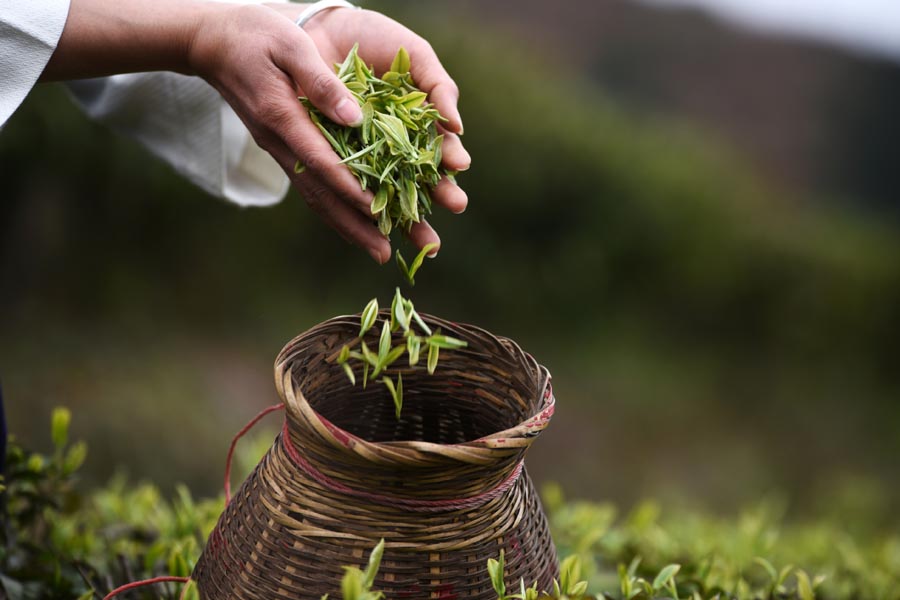
The plucking of Biluochun tea leaves takes place in the early spring, typically between March 15 and April 25. This period is critical, as the tender shoots must be harvested at just the right time to ensure the tea's quality. Workers venture into the Dongting Mountains before dawn, carefully selecting the most delicate buds. The high-grade Biluochun requires a significant number of shoots—around 14,000 to 15,000 for just one kilogram of finished tea—highlighting the labor-intensive nature of this traditional practice. The early morning hours and the specific time frame are crucial, as they coincide with the tea leaves’ peak freshness and flavor potential.
Frying
Once the tea leaves are plucked, the frying process begins swiftly to preserve their delicate characteristics. The leaves are placed in an iron pan heated to approximately 300 degrees Celsius. This high-temperature frying is a critical step, as it prevents the leaves from oxidizing and retains their vivid green color. The process requires skill and attentiveness, as the leaves can easily burn if not handled properly. An assistant typically manages the firewood to maintain the heat level, while the primary tea maker continuously stirs the leaves. This quick, precise movement is vital to achieving the tea's signature spiral shape and ensuring that each batch meets the quality standards of Biluochun.
Rolling
Following the frying, the rolling process is essential for shaping the tea leaves. The leaves are kept in the pan and subjected to stirring, shaking, and rubbing, all performed at around 100 degrees Celsius. This method encourages the leaves to take on their characteristic spiral form and creates the fluffy white fuzz that Biluochun is known for. The rolling process not only contributes to the appearance but also intensifies the tea's aroma and flavor. The entire sequence of frying and rolling typically takes about 40 minutes, during which every minute is crucial to developing the desired quality of the tea. The result is a beautifully crafted tea that embodies the centuries-old traditions of Biluochun production.
Characteristics
Appearance
Biluochun is easily identifiable by its distinctive spiral shape, which resembles a snail, giving rise to its name "green spiral spring". The tea leaves are intricately rolled and covered with fine white fuzz, a testament to the young, tender shoots used in production. This delicate fuzz is a sign of the high-quality young leaves that are meticulously selected during the plucking process. The tea's appearance is not just visually appealing but also indicative of its premium status among green teas. The rolling and frying techniques used ensure that the leaves maintain this unique spiral form, setting Biluochun apart from other varieties.
Aroma
The aroma of Biluochun is one of its most celebrated features. The tea is renowned for its fruity fragrance and floral notes, which are the result of planting tea trees in close proximity to various fruit trees. This practice allows the tea to absorb the subtle scents of the surrounding fruit blossoms, imparting a complex and inviting aroma. When brewed, Biluochun releases a strong, refreshing scent that is both invigorating and soothing. This aromatic profile is a key reason why Biluochun is so highly prized, providing an olfactory experience that complements its visual and taste characteristics.
Taste
Biluochun offers a taste experience that is both fresh and sweet, a reflection of its meticulous production process and the quality of the raw leaves. The tea is noted for its initial sweetness, followed by a lingering, slightly nutty aftertaste that delights the palate. This intricate flavor profile is achieved through the traditional frying and rolling methods, which preserve the natural antioxidants and nutrients of the leaves. The taste of Biluochun is often described as crisp and refreshing, making it a favorite choice for tea connoisseurs seeking a refined and balanced green tea experience.








