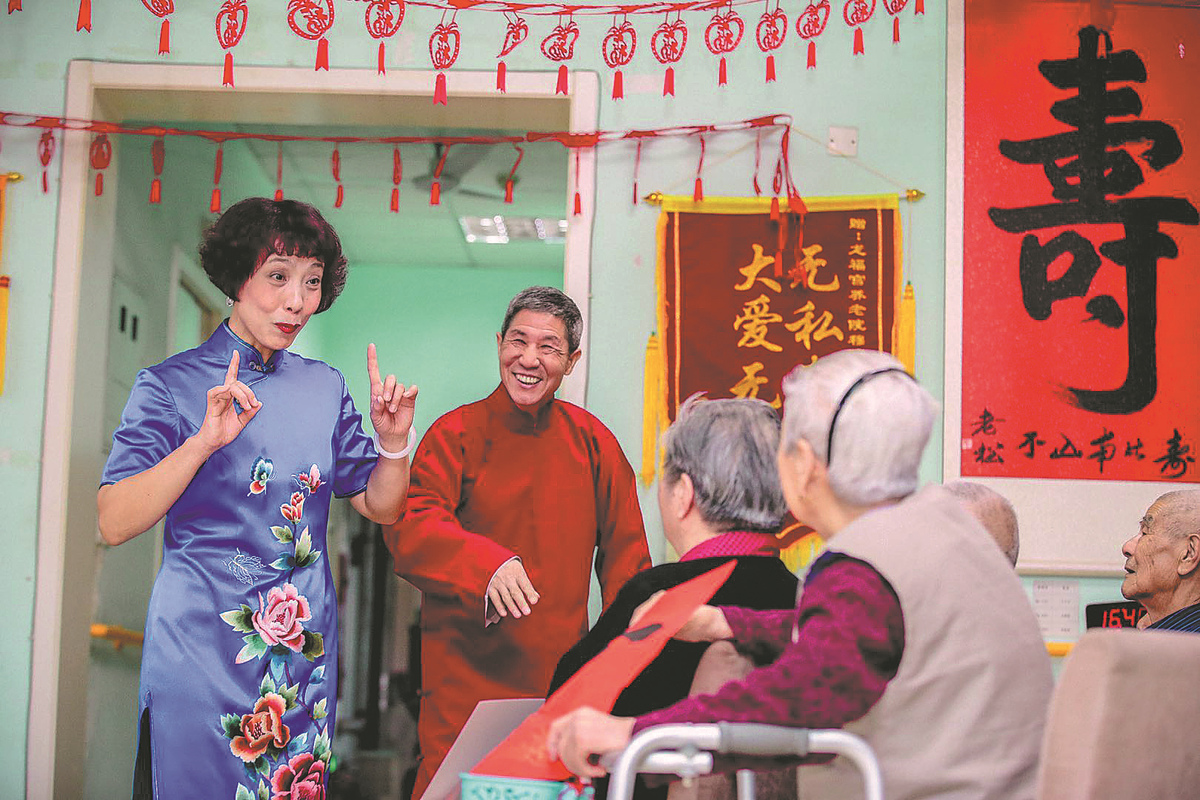
Cross-talk
Introduction
Cross-talk, also known as xiangsheng, is a traditional Chinese comedic performance art characterized by witty dialogue and humorous banter. Typically, cross-talk involves two or more performers engaging in rapid-fire exchanges, often relying on improvisation to entertain their audience. The art form is deeply rooted in Chinese culture and is recognized for its ability to delight spectators with its comedic narratives. Over the years, cross-talk has evolved to encompass a variety of themes and styles, reflecting societal changes and contemporary issues. Despite its historical origins, it remains a vibrant and popular form of entertainment, appealing to audiences from different backgrounds and across various generations.
History
The origins of cross-talk trace back to the Ming Dynasty (1368-1644), where it was primarily performed in the Beijing dialect. The art form emerged as a street performance, captivating audiences with its humorous and satirical nature. As it gained popularity, cross-talk found its place in traditional teahouses and small venues, reaching more listeners with the advent of radio and television. The Qing Dynasty (1644-1911) saw the art form flourish, with cross-talk becoming a staple of northern Chinese entertainment. In the late 19th century, cross-talk was publically staged in the Tianqiao area of Beijing. Over the decades, it has been shaped by numerous influential performers, who have contributed to its heritage and ensured its timeless appeal.
Elements and Structure
Cross-talk performances are defined by their distinctive elements and structure. The art is built upon four core skills: shuo (talking), xue (imitating), dou (teasing), and chang (singing). These skills are utilized by the performers to craft a coherent storyline, which develops from a beginning to an end. Unlike Western stand-up comedy that may rely on disconnected one-liners, cross-talk integrates linguistic devices such as puns, cultural references, and dialect usage, reflecting Chinese history and daily life. The performance often features a lead speaker (dougen) who delivers punchlines and a supportive role (penggen) who reacts to the lead speaker's words. This dynamic interaction is essential to the humor and engagement of cross-talk.
Performance Style
The style of cross-talk is both traditional and adaptive, allowing performers to incorporate contemporary themes while maintaining the art's core characteristics. Performers typically wear traditional long robes, standing behind a wooden table as they engage in witty exchanges. The rapid dialogue and improvisational nature of cross-talk require performers to have a keen awareness of timing and audience response. Over the years, the style has also embraced modern influences, including the use of short video platforms and social media to reach wider audiences. This adaptability has enabled cross-talk to remain relevant, captivating both live audiences and online viewers with performances that often touch on current social issues.
Common Themes
Cross-talk is renowned for its humorous take on a variety of themes, ranging from daily events and family life to broader social issues. Performers use satire and wit to address subjects that resonate with audiences, often weaving in cultural references and observations. Common themes include relationships, societal norms, and political satire, though the art form is careful to navigate sensitive topics with tact and humor. The incorporation of themes such as building a civilized society, responsible travel, and anti-fraud measures highlights the role of cross-talk as not only entertainment but also a commentary on societal values and challenges.
Influence
Cross-talk has had a profound influence on both cultural landscapes and the performing arts community, transcending conventional boundaries. This unique art form has not only inspired countless performers and groups but has also contributed significantly to its enduring popularity and evolution. Through the clever use of humor, cross-talk has effectively shaped public discourse, prompting audiences to reflect on pertinent societal issues. The tradition of cross-talk is meticulously upheld by dedicated performers who ensure the preservation of its customs, thereby guaranteeing its continued vibrancy and importance within Chinese culture.
Cross-talk in Popular Culture
In popular culture, cross-talk has secured a prominent position, captivating audiences both domestically and internationally. From traditional teahouses to modern media platforms, this art form is showcased in diverse settings, with reality shows and podcasts expanding its reach to new audiences while maintaining its essence through innovative formats. As performers adapt to evolving technologies and audience preferences, cross-talk remains relevant and appealing, continuing to thrive in the entertainment landscape. Its integration into popular culture underscores its versatility and enduring charm, solidifying its status as a vital component of the performing arts scene.








