Cycling
Introduction
Cycling, a popular recreational activity and competitive sport, involves riding bicycles for various purposes, including transportation, fitness, and competition. Originating in Europe, cycling has transcended cultural and geographical boundaries to become a global phenomenon. It encompasses a wide range of styles and disciplines, such as road cycling, mountain biking, BMX, track cycling, and cyclo-cross, each with distinct characteristics and equipment. Cycling is not only a form of travel but also a way to explore landscapes, improve physical health, and engage in social and environmental initiatives. The discipline of cycling has evolved significantly over the years, influenced by technological advancements and changing societal needs. Today, it serves as a vehicle for personal discovery, social interaction, and environmental consciousness.
Types of Cycling
Road Cycling
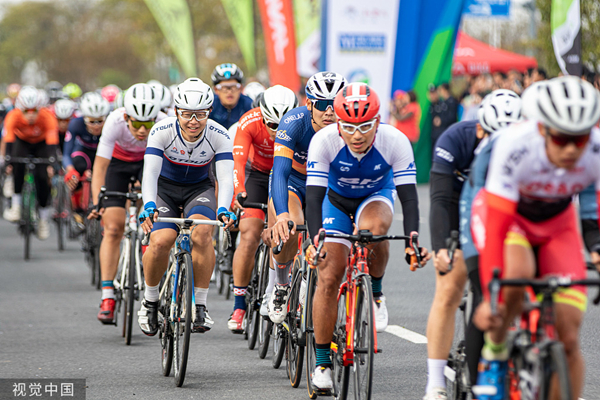
Road cycling is one of the most popular forms of cycling, characterized by the use of lightweight bicycles designed for speed on paved roads. It encompasses a variety of disciplines, including endurance rides, time trials, and criterium races. Road cyclists often participate in organized events and tours, which can range from short local rides to long-distance journeys spanning multiple days. The sport emphasizes physical fitness, endurance, and strategy, with riders often working in teams to achieve optimal results. Road cycling requires specific equipment, such as aerodynamic helmets, cycling jerseys, and shoes with cleats for efficient pedaling. This discipline has a rich competitive history, with prestigious events like the Tour de France and Giro d'Italia attracting top cyclists from around the world.
Mountain Biking
Mountain biking involves riding off-road on rugged terrain, requiring specialized bicycles equipped with suspension systems and durable components. This discipline is known for its adventurous spirit, with riders tackling steep climbs, rocky descents, and challenging obstacles. Mountain biking is divided into several categories, including cross-country, downhill, and enduro, each with its own unique demands and techniques. Safety is paramount in mountain biking, with riders wearing protective gear such as helmets, gloves, and padded shorts to minimize the risk of injury. The sport has gained a dedicated following, with enthusiasts drawn to the thrill of exploring natural landscapes and the camaraderie of group rides and competitions.
BMX
BMX, short for Bicycle Motocross, is a form of cycling that involves performing tricks and stunts on small, robust bicycles. Originating in the late 1960s, BMX quickly gained popularity for its exciting and dynamic nature. The discipline is divided into racing and freestyle categories, each requiring different skills and equipment. BMX racing involves sprinting around a dirt track with jumps and sharp turns, while freestyle focuses on performing tricks in skate parks or urban environments. BMX bikes are designed for durability and maneuverability, with features such as reinforced frames, knobby tires, and single-speed drivetrains. The sport has a strong youth following and has been included in the Olympic Games since 2008.
Track Cycling
Track cycling takes place on a velodrome, a specially designed oval track with steeply banked curves. This discipline emphasizes speed, precision, and strategy, with races often involving sprints, time trials, and endurance events. Track cyclists use fixed-gear bicycles without brakes, requiring exceptional skill and control. The sport is known for its intense competition and thrilling finishes, as riders reach high speeds while navigating tight spaces. Track cycling has a long history, with events like the Keirin and Madison being staples of major competitions such as the Olympics and World Championships. The discipline requires rigorous training and is often seen as a proving ground for cyclists aspiring to compete at the highest levels.
Cyclo-cross
Cyclo-cross is a unique form of cycling that combines elements of road cycling, mountain biking, and cross-country racing. It involves navigating a course that includes a variety of surfaces, such as grass, mud, sand, and gravel, often requiring riders to dismount and carry their bikes over obstacles. Cyclo-cross races are typically held in autumn and winter, adding to the challenge with unpredictable weather conditions. The sport demands a combination of endurance, technical skill, and tactical acumen, with races usually lasting 30 to 60 minutes. Cyclo-cross bikes resemble road bikes but feature wider tires and more robust frames to handle rough terrain. The discipline has a dedicated following, particularly in Europe, where it originated and remains most popular.
Competitive Cycling
Major Competitions
Competitive cycling is a global sport with numerous prestigious events held annually. The most renowned road cycling events include the Tour de France, Giro d'Italia, and Vuelta a España, collectively known as the Grand Tours. These multi-stage races attract elite cyclists and teams from around the world, showcasing the highest levels of endurance, strategy, and teamwork. In addition to road racing, there are significant competitions in other cycling disciplines, such as the UCI Mountain Bike World Championships, BMX World Championships, and Track Cycling World Championships. These events not only highlight individual and team achievements but also serve as platforms for technological advancements in cycling equipment.
Cycling at the Olympics
Cycling has been a part of the modern Olympic Games since their inception in 1896, with track cycling being one of the original sports. Over the years, the inclusion of cycling disciplines in the Olympics has expanded to include road racing, mountain biking, and BMX. Each discipline presents unique challenges and requires specialized skills, with athletes competing for medals in various events. The Olympic Games serve as a pinnacle for competitive cyclists, providing an opportunity to represent their countries on an international stage and achieve recognition for their dedication and talent. The Olympics have also contributed to the global popularity of cycling, inspiring new generations of cyclists and promoting the sport worldwide.
World Championships
The UCI World Championships are a series of annual competitions organized by the Union Cycliste Internationale, the international governing body for cycling. These championships cover various disciplines, including road cycling, track cycling, mountain biking, BMX, and cyclo-cross. The events attract the best cyclists from around the world, competing for the coveted rainbow jersey awarded to the world champion in each category. The World Championships play a crucial role in the cycling calendar, offering a platform for athletes to showcase their abilities and gain international recognition. The prestige of the World Championships and the level of competition make them a highlight of the racing season for both participants and spectators.
Recreational Cycling
Health Benefits
Recreational cycling offers numerous health benefits, making it an attractive activity for people of all ages. It provides an excellent cardiovascular workout, improving heart health, increasing lung capacity, and enhancing overall fitness. Cycling is a low-impact exercise, reducing the risk of joint injuries and making it suitable for individuals with varying fitness levels. Regular cycling can help with weight management, muscle toning, and stress reduction, contributing to overall well-being. Additionally, cycling promotes mental health by providing an opportunity to connect with nature, socialize with others, and enjoy the sense of freedom and accomplishment that comes with exploring new areas on two wheels.
Cycling Tourism
Cycling tourism has become increasingly popular as travelers seek unique and immersive experiences. This form of tourism involves exploring destinations by bicycle, allowing travelers to engage more deeply with their surroundings and enjoy the journey at a leisurely pace. Cycling tours can range from guided group excursions to self-planned adventures, catering to different preferences and fitness levels. Popular cycling destinations offer diverse landscapes, cultural attractions, and well-maintained cycling infrastructure, enhancing the travel experience. Cycling tourism not only supports sustainable travel practices but also contributes to local economies, as tourists patronize accommodations, restaurants, and attractions along their routes.
Urban Cycling
Urban cycling is an essential component of sustainable urban mobility, offering a practical and eco-friendly alternative to motorized transportation. Cities worldwide are investing in cycling infrastructure, such as bike lanes, parking facilities, and bike-sharing programs, to encourage cycling as a primary mode of transportation. Urban cycling reduces traffic congestion, lowers carbon emissions, and promotes healthier lifestyles for city dwellers. It also fosters community engagement, as cyclists are more likely to interact with their surroundings and fellow commuters. However, challenges remain, including ensuring safety, addressing infrastructure gaps, and promoting a cycling culture in urban areas. Successful urban cycling initiatives require collaboration between governments, communities, and advocacy groups to create a conducive environment for cyclists.
Cycling Equipment
Bicycles
The bicycle is the most fundamental piece of equipment in cycling, with various designs tailored to different disciplines and preferences. Road bikes are characterized by their lightweight frames, narrow tires, and aerodynamic features, making them suitable for speed and efficiency on paved surfaces. Mountain bikes, on the other hand, are built for durability and control, featuring suspension systems and wider tires for off-road terrain. Hybrid bikes combine elements of road and mountain bikes, offering versatility for mixed-use paths. BMX bikes are designed for strength and agility, with compact frames and single-speed drivetrains for stunts and racing. Advances in materials and technology have led to the development of electric bikes, providing an accessible option for those seeking assisted cycling. Proper bike selection and maintenance are crucial for optimizing performance and ensuring a safe and enjoyable cycling experience.
Protective Gear
Safety is paramount in cycling, and protective gear plays a crucial role in minimizing the risk of injury. Helmets are the most essential piece of protective equipment, offering vital head protection in the event of a fall or collision. Cyclists may also wear padded gloves to enhance grip and protect hands, as well as padded shorts to improve comfort during long rides. Additional gear such as knee and elbow pads, reflective clothing, and high-visibility accessories can further enhance safety, especially during night riding or adverse weather conditions. Modern cycling gear often incorporates advanced materials and technologies for improved protection, comfort, and durability, emphasizing the importance of selecting appropriate equipment for specific cycling activities.
Accessories
Cycling accessories enhance the riding experience by providing convenience, safety, and functionality. Common accessories include bike lights for visibility, locks for security, and water bottle holders for hydration. Cyclists may also use GPS devices or smartphone apps to track their routes and performance, while panniers or backpacks offer storage solutions for longer rides. Mudguards, racks, and fenders can be added to bikes for practicality in various weather conditions. Accessories such as bike computers, heart rate monitors, and power meters enable cyclists to monitor and analyze their training data, aiding in performance improvement. The choice of accessories depends on the cyclist's needs, preferences, and the type of cycling they engage in, enhancing their overall experience on the road or trail.
Cycling Organizations
Cycling organizations play a vital role in promoting the sport and supporting the cycling community. These organizations range from local clubs and advocacy groups to national and international governing bodies. They organize events, provide resources and training, advocate for cycling-friendly policies, and foster a sense of community among cyclists. The Union Cycliste Internationale (UCI) is the global governing body for cycling, overseeing competitive events and setting standards for the sport. National federations, such as USA Cycling and British Cycling, support the development of cycling within their respective countries, while local clubs offer opportunities for social rides, skill development, and participation in amateur competitions. Cycling organizations also work to address issues such as road safety, environmental impact, and accessibility, striving to create a positive and inclusive environment for all cyclists.








