Diabolo
Introduction
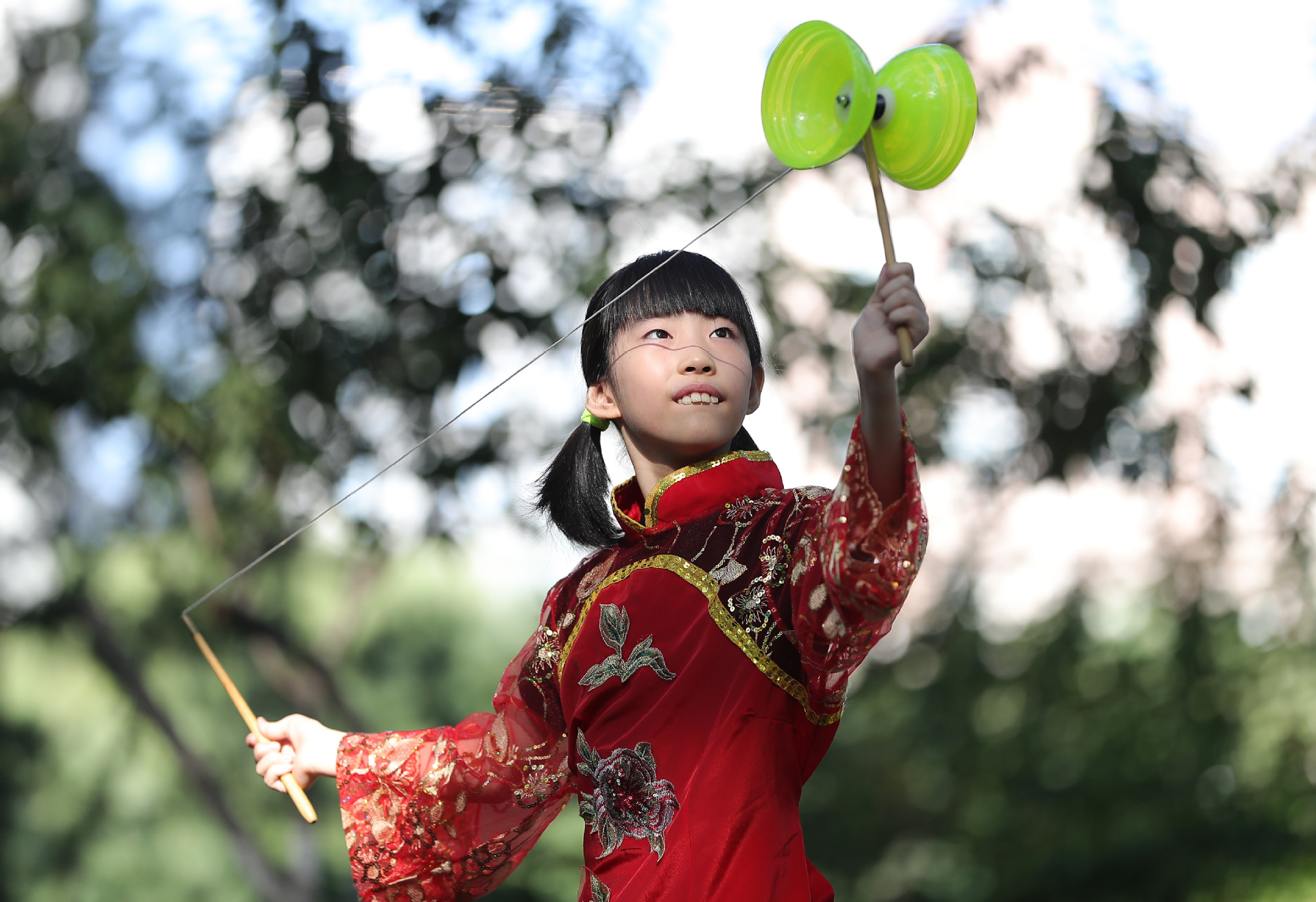
Diabolo, also known as the Chinese yo-yo, is a dynamic activity involving the skillful balancing and manipulation of a spinning top using a string attached to two wooden sticks. It is a traditional Chinese folk game that has been played for centuries and has evolved into a popular form of entertainment and exercise. Diabolo is recognized as a national intangible cultural heritage of China and is celebrated for its cultural significance and artistic appeal. The game's distinctive features include its unique sound produced by the rotating diabolo and the wide variety of tricks that can be performed, ranging from simple spins to complex aerial maneuvers.
History
Origins
The origins of the diabolo can be traced back to ancient China, where it was initially crafted from bamboo and wood. Its history dates as far back as the Ming Dynasty (1368-1644), when it was a common recreational activity for people across the country. The diabolo's design and function have been influenced by the traditional Chinese concept of balance and harmony, and it was initially used as a form of entertainment during festivals and community gatherings.
Evolution
Over the centuries, the diabolo has undergone significant evolution, both in its design and the complexity of the tricks performed. Originally made from hollow bamboo, the diabolo has seen modern adaptations that incorporate various materials such as plastic and metal, enhancing its durability and balance. This evolution has allowed for more elaborate and intricate tricks, contributing to the game's popularity beyond China. The diabolo has become an integral part of traditional Chinese acrobatic shows, showcasing the performers' dexterity and creativity. In 2006, it was included in the first batch of national intangible cultural heritage items in China, solidifying its cultural importance and ensuring its preservation for future generations.
Design and Structure
Materials
The diabolo is traditionally constructed from two sections of hollow bamboo or other lightweight materials like plastic or metal. Each section is carved with a specific opening, typically around 4 centimeters in diameter, and they are connected by a wooden or metal axis. This design allows the diabolo to spin smoothly and produce its characteristic whirring sound. The diabolo is played using two wooden handles connected by a long string, which acts as a medium for manipulating the spinning top. The choice of materials affects the diabolo's weight, balance, and ease of handling, allowing players to select diabolos suited to their skill level and performance needs.
Types of Diabolos
There are several types of diabolos, each designed for different skill levels and styles of play. Traditional diabolos are made from bamboo and are often used in cultural performances due to their authentic appearance and sound. Modern diabolos, made from plastic or metal, offer greater durability and are preferred by contemporary performers for their precision and versatility. These modern iterations can be found in various sizes and weights, catering to beginners and advanced players alike. Some diabolos are even equipped with LED lights or glow-in-the-dark features, adding a visual spectacle to performances, especially in nighttime settings.
Techniques and Tricks
Basic Techniques
Learning to play the diabolo involves mastering a few basic techniques, including spinning, tossing, and catching. Beginners start by learning how to generate spin using the string and handles, gradually increasing the speed and control of the diabolo. Simple tricks such as the elevator, where the diabolo climbs up the string, and the spider web, where the string is manipulated to create intricate patterns, are foundational skills that help players develop coordination and timing. Consistent practice of these basic techniques lays the groundwork for more complex tricks and enhances overall dexterity.
Advanced Tricks
Advanced diabolo tricks require heightened skill, precision, and creativity. These tricks often involve multiple diabolos and intricate string patterns, showcasing the performer's expertise and innovation. Popular advanced tricks include the whip catch, where the diabolo is caught with a flick of the wrist, and the suicide, where the handles are released momentarily before being caught again. Performers may also incorporate aerial tricks, such as high throws and behind-the-back catches, adding an element of acrobatics and theatrical flair to their routines. Mastery of advanced tricks is achieved through dedicated practice and experimentation with different diabolo styles and techniques.
Modern Diabolo Performances
Modern diabolo performances combine elements of traditional Chinese acrobatics with contemporary art forms, creating captivating displays of skill and artistry. Performers often incorporate music, dance, and theatrical elements into their routines, transforming diabolo into a multidisciplinary spectacle. In recent years, the diabolo has gained prominence in international circus and acrobatic festivals, showcasing the talent and creativity of performers from around the world. These performances highlight the diabolo's versatility and enduring appeal, contributing to its status as a dynamic and evolving art form. Photo Gallery(11 pictures)CategoriesSports and GamesTagTraditional SportsIntangible Cultural HeritageRelatedChina Acrobatic TroupeChinese AcrobaticsCatalogue1. Introduction2. History3. Design and Structure4. Techniques and Tricks5. Modern Diabolo Performances- - - []








