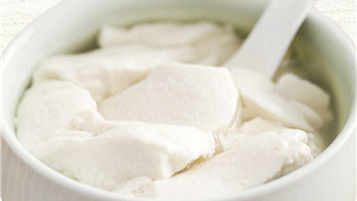
Douhua
Introduction
Douhua, also known as tofu pudding, is a traditional Chinese dish made from very soft, silken tofu. The dish is known for its delicate texture and mild flavor, which allows it to be paired with a variety of toppings and sauces, making it a versatile dish enjoyed in both sweet and savory forms. Douhua holds a special place in the culinary traditions of China and has been adapted and embraced in various regions around the world. It is commonly consumed as a breakfast food, dessert, or snack, and is especially popular in China and other parts of Asia.
History
The origins of Douhua can be traced back to ancient China, with its roots in the Han Dynasty (206 BC-AD 220). It is believed that the creation of tofu was first attributed to Liu An, grandson of Emperor Liu Bang, who sought a nutritious and accessible food source for his people. Over centuries, the crafting and consumption of tofu evolved, leading to the development of Douhua. This dish became popular due to its simplicity and adaptability, allowing it to integrate into various local cuisines. As Chinese people migrated to different regions, Douhua found its way into Southeast Asian culinary practices, influencing local dishes in countries like the Philippines and Indonesia, where it continues to be a beloved treat.
Preparation
Ingredients
The primary ingredient for making Douhua is soybeans, which are soaked and ground with water to produce fresh soy milk. The key to achieving the soft, pudding-like consistency of Douhua is the use of a coagulant. The most common coagulants used are calcium sulfate (gypsum), magnesium chloride, or glucono delta-lactone (GDL). These coagulants help solidify the soy milk into a smooth curd, which is the base for Douhua. In addition to these essential ingredients, Douhua can be flavored with various toppings and syrups, including ginger syrup, sugar, or savory accompaniments like soy sauce and chili oil.
Cooking Methods
To prepare Douhua, the fresh soy milk is heated and the chosen coagulant is carefully mixed in. The mixture is then allowed to rest, during which it solidifies into a delicate tofu pudding. The resulting Douhua can be served warm or chilled, depending on preference and the intended flavor profile. For sweet Douhua, toppings such as syrup made from ginger and brown sugar, sago pearls, or dried fruits are added. In its savory form, Douhua might be seasoned with soy sauce, scallions, or chili oil, and garnished with ingredients like preserved vegetables or minced meat.
Varieties
Regional Variations
Douhua exhibits a wide range of regional variations throughout China and beyond. In northern China, Douhua is typically enjoyed as a savory dish, often served with soy sauce, vinegar, and chili oil. In contrast, southern Chinese regions, such as Guangdong and Taiwan province, favor the sweet version of Douhua, which is served with sugary syrups and sometimes garnished with fruits or nuts. Each region's version highlights local preferences and available ingredients, offering a unique twist on this classic dish.
Sweet Douhua
Sweet Douhua is immensely popular, especially in areas like Taiwan province and Hong Kong Special Administrative Region. This version is often served with a syrup made from brown sugar or ginger, which complements the delicate taste of the silken tofu. Additional toppings such as sago pearls, red beans, or peanuts can be added to enhance its flavor and texture. Sweet Douhua is commonly enjoyed as a dessert or a refreshing snack, ideal for warm weather.
Savory Douhua
In contrast, savory Douhua is frequently found in northern China and is a staple in regions like Beijing and Xi'an. This version is served with a variety of savory toppings, including soy sauce, chili oil, and sometimes minced meat or preserved vegetables. Savory Douhua is typically consumed as a breakfast dish or a light meal, providing a comforting balance of flavors and textures.
Cultural Significance
Douhua holds significant cultural importance in Chinese society. It is not only a beloved culinary delight but also a symbol of simplicity and adaptability. The dish's presence in various cultural rituals and celebrations underscores its role in Chinese gastronomy. Throughout history, Douhua has been associated with health and longevity, given its nutritious composition and ease of digestion. This reputation has helped it maintain a prominent position in Chinese cuisine across generations.
Consumption
Serving Methods
Douhua is versatile in its serving methods, allowing it to be adapted for various occasions and preferences. It can be served warm, immediately after preparation, or chilled for a refreshing treat. In many parts of China, Douhua vendors sell this dish from street carts, where it is scooped fresh from large pots and served with a selection of toppings. In restaurants, Douhua may be presented with a variety of accompaniments, enabling diners to customize their experience.
Popular Dishes
Douhua is the star ingredient in numerous popular dishes. In sweet versions, it might be served with a ginger syrup and sago pearls, creating a comforting dessert. Savory Douhua dishes often incorporate ingredients like preserved mustard greens, soy sauce, and scallions, offering a hearty and flavorful meal. These variations highlight the dish's versatility and its ability to cater to diverse taste profiles.








