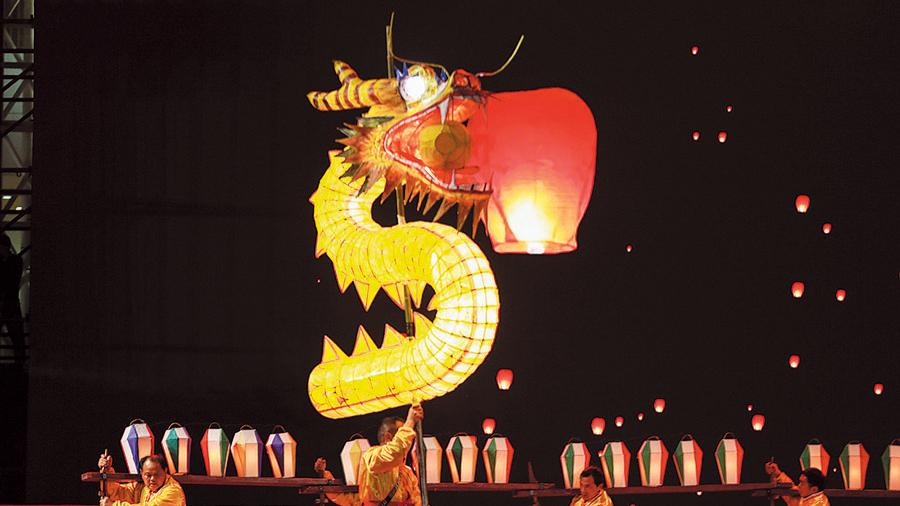
Dragon
Overview
The dragon is a potent symbol in Chinese culture, representing power, strength, and auspiciousness. Unlike Western depictions of dragons as malevolent creatures, the Chinese dragon is considered a benevolent force, often associated with water, rain, and fertility. It is a central figure in Chinese mythology and folklore, symbolizing good fortune and prosperity. The dragon is also a significant emblem in cultural celebrations, art, and various traditional practices. As the only mythical creature among the twelve animals of the Chinese zodiac, the dragon holds a special place in Chinese heritage, influencing festivals, art, and even architecture.
Cultural Significance
For thousands of years, the dragon has been revered in China as a symbol of national identity and cultural pride. Its image is omnipresent in Chinese art, architecture, literature, and religious practices. The dragon is believed to control weather phenomena, such as rain and floods, and is seen as a guardian of water resources. This association makes the dragon an important figure in agrarian societies, where rain is essential for crops.
The Chinese dragon is intricately linked to the emperor, symbolizing imperial power and authority. Historically, the dragon was considered the exclusive emblem of the emperor, and only the emperor was entitled to use the dragon symbol on his robes, palace, and artifacts. The dragon motif is often seen in historical royal palaces, like the Forbidden City in Beijing, where it signifies the divine right of the emperor to rule.
Dragon in the Chinese Zodiac
In the Chinese zodiac, the dragon is the fifth sign and is regarded as the most auspicious and powerful. The Year of the Dragon is considered a favorable time, often associated with success and happiness. People born in the Year of the Dragon are believed to be confident, intelligent, and ambitious. The dragon's zodiac year is celebrated with various cultural events, exhibitions, and performances that highlight its symbolic importance in Chinese tradition.
Dragon Dance and Festivals
The dragon dance is a traditional performance that is particularly popular during Chinese New Year celebrations. It involves a team of dancers manipulating a long, flexible dragon figure, typically made of fabric and controlled via poles. The dance is a vibrant and dynamic display that symbolizes the dragon's power and brings good luck to the community.
Dragon in Art and Architecture
Dragons are a common motif in Chinese art and architecture. They appear in various forms, from intricate jade carvings to grandiose temple decorations. The dragon is often depicted in a serpentine form, with scales, four legs, and a horned head, embodying a blend of several animal characteristics. This artistic representation highlights the belief in the dragon's supernatural powers and its role as a protector of the nation.
In architecture, dragons adorn temples, bridges, and palaces, often appearing as protective guardians carved into stone or wood. The dragon's presence in these structures is thought to ward off evil spirits and bring prosperity. Additionally, dragon imagery is prominent in traditional Chinese paintings and calligraphy, where it is used to convey strength and auspiciousness.
Modern Interpretations and Global Influence
In contemporary culture, the dragon continues to be a strong cultural symbol for Chinese people worldwide. It is often used in logos, mascots, and branding to evoke a sense of power and heritage. The dragon's image has also been embraced in popular media, such as films and video games, where it is reimagined in various contexts, blending traditional elements with modern storytelling.
Globally, the dragon has influenced other cultures and is frequently featured in festivals and cultural exchanges. Performances of the dragon dance and dragon boat races are common sights in international celebrations of Chinese culture, showcasing the rich traditions and enduring legacy of this mythical creature. Article reference1. Hollywood's latest game-adapted blockbuster features stars and unlikely dragons. en.chinaculture.org. 20232. Dongjing Dragon Dances. whhlyt.hunan.gov.cn/whhlyt/english/en_index.html. 20233. Meishan Dragon Palace. whhlyt.hunan.gov.cn/whhlyt/english/en_index.html. 20224. Enter the dragon, for fiery fun. en.chinaculture.org. 20215. Hai'an dragon dance. en.nantong.gov.cn. 2018Photo Gallery(23 pictures)CategoriesCultural HeritageTagChinese Cultural SymbolRelatedNanjing Yunjin BrocadeShu BrocadeMiao BrocadeHorse Tail EmbroideryGames & QuizzesDiscover the Chinese Zodiac: Traits, History, and Cultural ImpactCatalogue1. Overview2. Cultural Significance3. Dragon in the Chinese Zodiac4. Dragon Dance and Festivals5. Dragon in Art and Architecture6. Modern Interpretations and Global Influence- - - []








