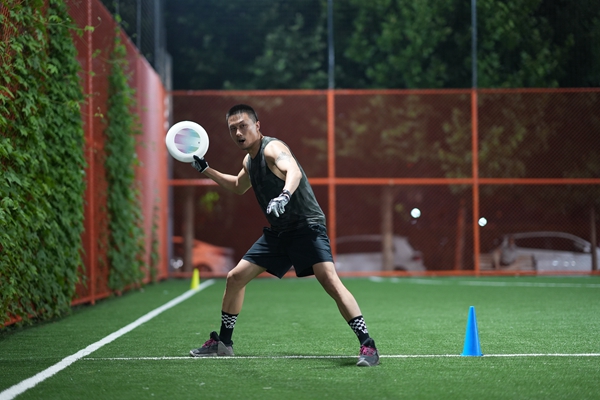
Frisbee
Introduction
Frisbee is a disc-throwing sport and recreational activity that has gained significant popularity worldwide due to its non-contact nature and social aspects.
Historical Development
The origins of the frisbee can be traced back to the early 20th century when Yale students turned bakery pie tins into makeshift flying discs. The airfoil shape of the tins allowed them to glide through the air, making them ideal for throwing games. From these humble beginnings, the frisbee has developed into a recognized sport with various competitive formats, including Ultimate Frisbee and Disc Golf.
Rise in Popularity
Frisbee has surged in popularity globally, particularly in China, where it has become one of the most popular emerging sports. Initially perceived as a toy for children and pets, the frisbee has now been embraced as a competitive game with significant social and fitness benefits. The simplicity of the game's rules and the minimal equipment required contribute to its broad appeal.
The Game and Its Rules
The primary objective in a typical frisbee game is to catch the disc in the opponent's end zone. Players cannot move while holding the disc, which encourages strategic passing and teamwork. The game emphasizes agility, hand-eye coordination, and cardiovascular fitness, making it an appealing form of exercise. As players advance in skill, they learn to appreciate the elegance and precision required to master throwing techniques and team strategies.
Social and Fitness Benefits
Playing frisbee provides a dual benefit of social interaction and physical fitness. Participants often find themselves in a community-like environment where they can make new friends and strengthen existing relationships. Regular frisbee sessions improve stamina, burn calories, and enhance motor skills.
Competitive Scene and Events
The competitive frisbee scene is expanding, with numerous clubs and leagues forming around the world. In China, the establishment of the Chinese Frisbee League signifies the sport's development into a more organized and recognized competitive discipline. Events and tournaments attract a wide range of participants, from amateur enthusiasts to professional athletes, all seeking to showcase their skills and foster a sense of community.








