Guiyang
Introduction
Guiyang, the capital city of Guizhou province in Southwest China, is a vibrant and dynamic city that has become an increasingly popular destination for both domestic and international tourists. Known for its breathtaking landscapes, traditional tea culture and diverse ethnic groups, Guiyang offers a unique travel experience that combines natural beauty with rich cultural heritage.
The city is not only a key transit hub for travelers exploring Southwest China but is also recognized as a destination in its own right, attracting millions of visitors each year.
Guiyang's charm lies in its ability to offer something for everyone. From its stunning natural landscapes, such as the Baihua Lake and the intricate karst formations, to its rich cultural attractions that include ancient towns and museums, Guiyang is a city that celebrates its history and traditions while embracing modernity.
The appeal of Guiyang extends beyond its natural and cultural offerings. The city's modern infrastructure and vibrant urban life make it an attractive destination for travelers seeking contemporary experiences. The development of smart-city technologies and the integration of traditional elements with modern design in public spaces reflect Guiyang's commitment to progress and innovation. Visitors to Guiyang can enjoy a range of unique experiences, from trendy shopping districts and stylish cafes to high-end hotels offering panoramic views of the city's mountainous terrain. This combination of past and present, nature and urbanity, makes Guiyang a fascinating and multifaceted destination for tourists from all walks of life.
Cultural Attractions
Guiyang is home to a variety of cultural attractions that reflect the region's rich history and diverse ethnic heritage such as the Qingyan Ancient Town and the Jiaxiu Pavilion.
Qingyan Ancient Town, located 29 kilometers from Guiyang's city center, is a well-preserved historical site. The town is renowned for its exquisite architecture constructed entirely from stone. Visitors can explore the town's intricate stone-slab lanes and archways, gaining insight into the area's historical significance and traditional craftsmanship. The town is a testament to Guiyang's commitment to preserving its cultural heritage and offers a glimpse into the past for those interested in history and architecture.
The Guiyang Grand Theatre is another cultural landmark that hosts a variety of performances, including symphony concerts featuring Chinese opera classics. The theater provides a platform for both emerging and established artists to showcase their talents and offers audiences an opportunity to enjoy iconic melodies and performances.
Natural Wonders
Guiyang's natural wonders are among its most captivating attractions, drawing nature enthusiasts and adventure seekers to explore its diverse landscapes.
One popular tourist destination is the Qianling Mountain Park, located in the northwestern part of Guiyang. The park spans approximately 300 hectares. It boasts over 1,500 species of flora and is home to more than 1,000 types of medicinal herbs. Visitors can explore historical sites such as the Hongfu Temple, built over 300 years ago during the late Ming (1368-1644) and early Qing (1644-1911) dynasties, and the Kylin Cave, notable for its unique stalactites and historical significance.
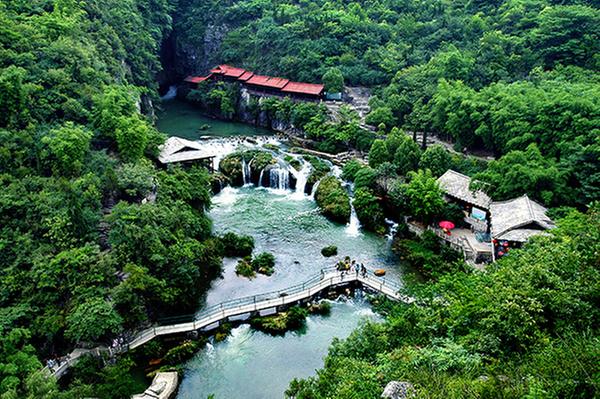
Another notable site is Tianhetan Scenic Area, situated 24 kilometers from downtown Guiyang, covering an area of 19.5 square kilometers. The area features typical karst landscapes, including caves, waterfalls and a scenic lake. Visitors can explore flooded caves via guided boat tours and enjoy the natural beauty of the region.
Guiyang's natural wonders are complemented by its commitment to environmental conservation and sustainable tourism practices. The city's efforts to preserve its ecological and cultural heritage make it an ideal destination for those seeking to connect with nature and explore the beauty of the natural world.








