Haipai
Introduction
Haipai, often referred to as the Shanghai School, is a distinctive cultural and artistic phenomenon that originated in Shanghai during the late 19th and early 20th centuries. It embodies a unique blend of traditional Chinese culture, particularly the Wuyue culture of southern China, and modern industrial civilization introduced from the West. As Shanghai emerged as a major international trading port, it became a melting pot of diverse influences, fostering the development of Haipai as a vibrant and innovative cultural movement. Haipai encompasses various forms of artistic expression, including ink-brush painting, calligraphy, fashion, and performing arts, and continues to exert a significant influence on both Chinese and global culture.
Definition and Origin
Haipai is defined as a cultural and artistic style that originated in Shanghai, characterized by its openness to innovation and integration of traditional Chinese elements with modern Western influences. The term "Haipai" itself reflects the city's identity as a hub of cultural exchange and creativity. Rooted in the Wuyue culture, which emphasizes elegance and refinement, Haipai evolved as Shanghai became a center of economic and cultural activity in modern China. The influx of artists, scholars, and intellectuals from neighboring regions, attracted by the city's dynamic environment, played a crucial role in shaping the Haipai style.
The origins of Haipai can be traced back to the dramatic social and cultural transformations of the late 19th century. As China faced profound changes during this period, Shanghai emerged as a focal point for artistic experimentation and innovation. The city's openness to new ideas and its status as a globalized metropolis provided fertile ground for the development of Haipai, which sought to redefine traditional artistic practices while embracing modernity.
Historical Development
Early Formation
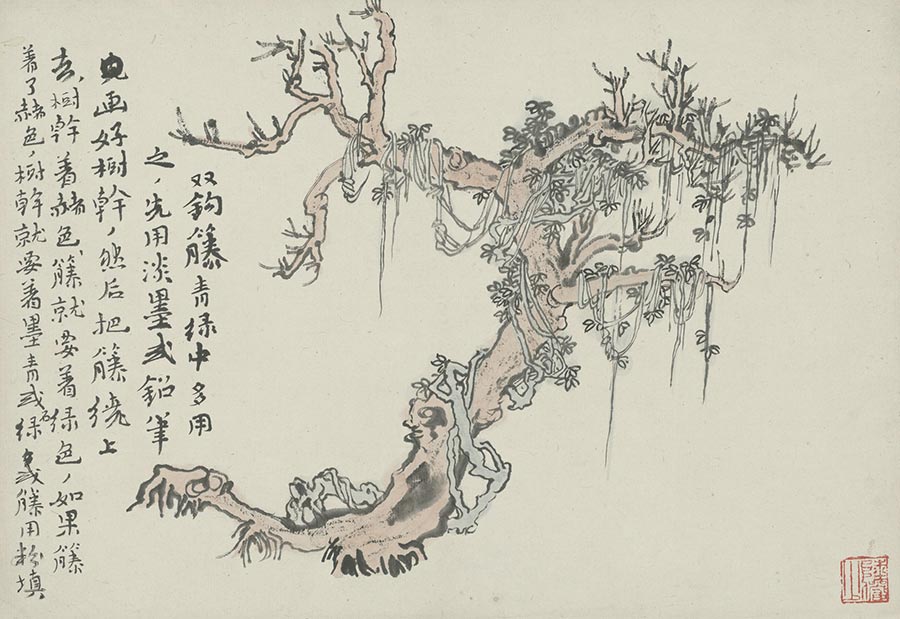
The early formation of Haipai was marked by the convergence of traditional Chinese artistic techniques and Western influences. During the mid-19th century, Shanghai attracted artists and intellectuals from various regions, including Zhejiang and Jiangsu provinces, who sought to explore new creative possibilities. Prominent figures such as Ren Bonian, Xu Gu, and Wu Changshuo played pivotal roles in establishing the Haipai school of ink-brush painting. Their works reflected a departure from rigid traditional styles, incorporating elements of realism, vibrant colors, and dynamic compositions that appealed to both the elite and common citizens.
Ren Bonian, a pioneer of the Haipai style, revolutionized Chinese ink painting by blending classical techniques with modern sensibilities. His figure paintings, characterized by their lyrical and romantic qualities, exemplified the spirit of innovation that defined Haipai. Similarly, Wu Changshuo's contributions to calligraphy and seal engraving showcased the integration of traditional aesthetics with bold and expressive forms, setting the stage for the flourishing of Haipai art.
Evolution in Modern Times
The evolution of Haipai in modern times saw its expansion beyond ink-brush painting to encompass a wide range of artistic disciplines. The early 20th century witnessed the rise of Shanghai as a globalized city, further enhancing the cultural exchange and artistic experimentation that defined Haipai. Artists such as Xu Beihong and Qi Baishi drew inspiration from Haipai's innovative spirit, incorporating its principles into their own works and promoting its influence on a national and international scale.
Haipai's adaptability and openness to change allowed it to remain relevant in contemporary times. Exhibitions such as "The Making of New Shanghai School" and initiatives like the "Haipai Artists' House" highlight the ongoing efforts to preserve and promote Haipai culture while fostering new creative endeavors. These projects celebrate Shanghai's role as a cultural and artistic hub, showcasing the city's ability to integrate tradition and modernity in a harmonious and forward-looking manner.
Characteristics
Cultural Features
Haipai's cultural features are defined by its fusion of traditional Chinese values with modern industrial civilization. Rooted in the Wuyue culture, Haipai emphasizes elegance, refinement, and intellectual depth, while embracing the dynamism and innovation brought by Western influences. This unique combination has resulted in a cultural style that is both accessible and sophisticated, appealing to a wide audience.
One of the key aspects of Haipai culture is its openness to new ideas and its willingness to challenge conventional norms. This spirit of experimentation is evident in the diverse artistic expressions associated with Haipai, from ink-brush painting and calligraphy to fashion and performing arts. Haipai's ability to adapt and evolve has ensured its enduring relevance and impact on Chinese culture.
Artistic Style
The artistic style of Haipai is characterized by its vibrant and dynamic approach to traditional Chinese art forms. Haipai artists often incorporate elements of realism, bold colors, and innovative compositions into their works, creating a distinctive aesthetic that bridges the gap between tradition and modernity. This style reflects the tastes and aspirations of a rising citizen group in Shanghai, who sought to redefine artistic practices in line with the city's cosmopolitan identity.
Haipai's artistic style is also marked by its emphasis on individuality and creativity. Artists such as Ren Bonian and Wu Changshuo exemplified this approach by developing unique techniques and styles that challenged traditional conventions. Their works continue to inspire new generations of artists, highlighting the enduring legacy of Haipai as a source of innovation and inspiration.
Influence
Impact on Chinese Culture
Haipai has had a profound impact on Chinese culture, shaping the development of modern artistic practices and influencing cultural trends across the country. As a pioneering movement, Haipai introduced new perspectives and techniques that redefined traditional art forms, fostering a spirit of innovation and creativity. Its emphasis on blending tradition with modernity has resonated with artists and audiences alike, contributing to the evolution of Chinese culture in the modern era.
The influence of Haipai extends beyond the realm of visual arts, encompassing various aspects of cultural life, including fashion, performing arts, and literature. Events such as the Shanghai Style Fashion Festival and exhibitions like "Drawing Shanghai: Shanghai Style in Comics" showcase the diverse and dynamic nature of Haipai culture, highlighting its ability to adapt and thrive in a changing world.
Global Recognition
Haipai's unique blend of tradition and modernity has garnered global recognition, establishing Shanghai as a cultural and artistic hub on the international stage. Exhibitions and initiatives promoting Haipai art and culture have attracted widespread attention, showcasing the city's rich heritage and innovative spirit. Artists associated with Haipai, such as Xu Beihong and Qi Baishi, have gained international acclaim, further enhancing the global reputation of the movement.
The ongoing efforts to preserve and promote Haipai culture, including collaborations with international institutions and the organization of cultural events, underscore its significance as a symbol of Shanghai's cosmopolitan identity. Haipai's ability to transcend cultural boundaries and inspire creativity continues to make it a valuable and influential force in the global cultural landscape.
Prominent Figures and Contributions
Haipai's development and success can be attributed to the contributions of numerous prominent figures who played pivotal roles in shaping its identity and legacy. Ren Bonian, a pioneer of the Haipai style, revolutionized Chinese ink painting by blending classical techniques with modern sensibilities. His works, characterized by their lyrical and romantic qualities, exemplified the spirit of innovation that defined Haipai.
Wu Changshuo, another leading figure of the Haipai movement, made significant contributions to calligraphy, seal engraving, and painting. His bold and expressive style set new standards for artistic excellence, inspiring generations of artists and establishing Haipai as a major force in Chinese art.
Xu Beihong, known for his modern paintings and contributions to art education, was deeply influenced by Haipai's principles of innovation and creativity. He viewed himself as a committed heir to the Haipai spirit, promoting its values and achievements both nationally and internationally.
These figures, along with many others, have left an indelible mark on the Haipai movement, ensuring its enduring legacy as a source of inspiration and innovation in the world of art and culture.








