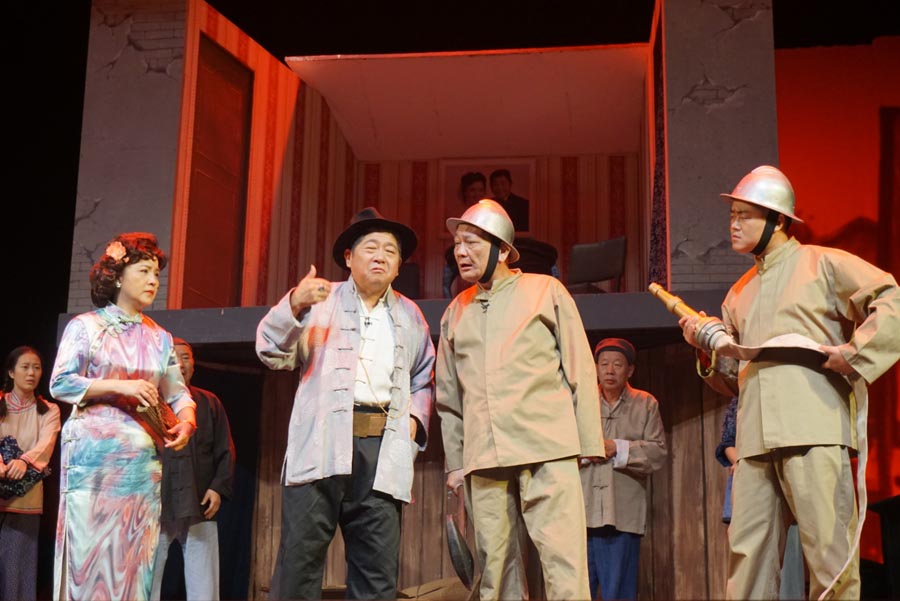
Huajixi
Introduction
Huajixi, often referred to as Shanghai farce, is a traditional comedic performance art that originated in Shanghai in the early 20th century. This unique genre evolved from dujiaoxi, a simpler form of crosstalk show, and incorporates colloquial humor and themes rooted in the daily lives of ordinary people. Huajixi is performed exclusively in the Shanghai dialect, making it a distinctive cultural expression of the Yangtze River Delta region. Recognized as a national intangible cultural heritage in 2011, huajixi holds a significant place in Shanghai's folk culture and theatrical traditions.
The art form gained immense popularity in Shanghai during the mid-20th century, with productions such as "A House with 72 Tenants" becoming iconic examples of its storytelling and comedic style. Despite its decline in recent decades due to changing entertainment preferences and reduced use of the Shanghai dialect, huajixi remains an integral part of Shanghai's cultural identity. Efforts to preserve and modernize the genre are ongoing, with organizations like the Shanghai Dujiaoxi Heritage Center leading initiatives to revitalize huajixi through contemporary themes and innovative performances.
Notable Performers and Works
Huajixi has been shaped by the contributions of numerous talented performers and playwrights, whose works have left a lasting impact on the genre. One of the most celebrated productions is "A House with 72 Tenants," created by the Shanghai People's Huajixi Company in 1958. This play explores the relationships and interactions among tenants in a crowded apartment building, capturing the essence of Shanghai's grassroots community and its diverse cultural fabric.
Wang Rugang, a prominent figure in huajixi, has played a pivotal role in preserving and promoting the art form. Known for his ability to portray elderly women with remarkable authenticity, Wang has earned accolades such as "Shanghai's No. 1 grandma" from critics. His dedication to huajixi began in childhood, despite initial resistance from his family, and he has since become a leading advocate for the genre's revival.
Other notable contributors include playwrights and directors who have infused huajixi with contemporary themes to appeal to modern audiences. For instance, the Shanghai Dujiaoxi Heritage Center has produced plays like "Temptation on the Tip of Tongue" and "First Things First," addressing issues such as fraudulent health products and garbage sorting regulations. These productions demonstrate the adaptability of huajixi and its potential to resonate with new generations.
Preservation and Development
The preservation and development of huajixi have become critical concerns as the genre faces challenges such as declining use of the Shanghai dialect and shifting entertainment preferences. Organizations like the Shanghai Dujiaoxi Heritage Center have taken proactive steps to ensure the survival of this cultural heritage. Established in 2018 through the merger of the Shanghai People's Huajiju Company and Shanghai Youth Huajiju Troupe, the center has staged over 300 performances annually and introduced innovative productions that blend traditional elements with modern topics.
Efforts to preserve huajixi also involve engaging younger generations and fostering new talent. The center has prioritized training actors, scriptwriters, and directors to carry forward the legacy of huajixi. Additionally, community outreach programs and trial performances have been conducted to gather feedback and connect with audiences.
Prominent figures like Tobias Le Compte, a Belgian musician fluent in the Shanghai dialect, and Argentine linguistics researcher Federico Demarco have contributed to the promotion of huajixi and the dialect. Their efforts highlight the importance of preserving linguistic and cultural heritage as integral components of huajixi's identity.
Despite the challenges, there is optimism about the future of huajixi. Support from government policies and increasing awareness of traditional culture provide a foundation for its revival. As Wang Rugang aptly states, "Laughter is universal," underscoring the enduring appeal of comedy and the potential for huajixi to thrive in a modern context.








