Huamo
Introduction
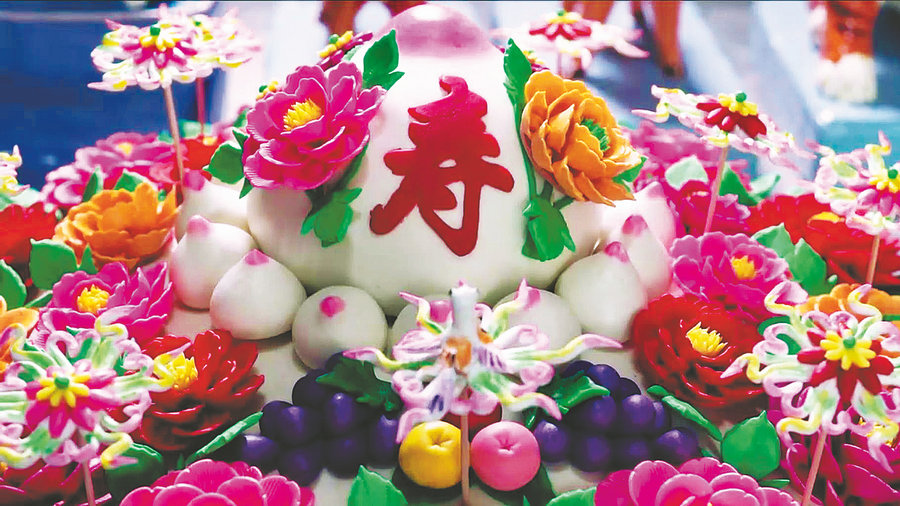
Huamo, also known as decorated steamed buns, is a traditional Chinese culinary art that combines food preparation with intricate craftsmanship. Originating from North China's Shanxi province, huamo is celebrated for its exquisite designs, vibrant colors, and cultural significance. Cities like Taiyuan, Yuncheng, and Yangquan are renowned for their unique huamo designs, which often incorporate local elements and symbols. Wenxi county, a notable hub for huamo production, has developed over 200 varieties of flower-shaped buns, categorized into four distinct styles.
These flour-based creations are often shaped into flowers, animals, or auspicious symbols and are deeply rooted in local customs and traditions. Huamo is widely used during festivals, weddings, birthdays, funerals, housewarmings, and other significant occasions to convey blessings and auspicious outcomes. Beyond its role as a festive treat, huamo is considered a form of high-level folk art, showcasing the ingenuity and artistic skills of its creators.
History
The history of huamo dates back more than a millennium, with its origins traceable to the Ming (1368-1644) and Qing (1644-1911) dynasties. Over centuries, huamo has evolved into a cherished cultural practice, deeply intertwined with local etiquette and customs. In 2008, huamo was officially recognized as a national intangible cultural heritage, highlighting its importance in China's cultural heritage. Historically, huamo was crafted to celebrate major events and festivals, serving both ceremonial and decorative purposes. Local proverbs emphasize its significance, such as "if something big happens, there is huamo; if huamo is served, something must have happened." The art of huamo reflects the creativity and craftsmanship of rural women, who pass down their skills through generations, often using household utensils like needles, combs, and knives to shape and embellish the dough.
Crafting Techniques
The process of making huamo is both intricate and time-consuming, requiring a combination of culinary and artistic skills. The dough is first prepared and left to ferment overnight to achieve the desired texture. It is then kneaded, shaped, and embellished using tools like needles, combs, and knives. Common techniques include pinching, cutting, repairing, sticking, and coloring the dough with natural vegetable juices. For larger and more elaborate designs, multiple pieces of huamo are assembled to create intricate patterns and structures. The final product is steamed to perfection, resulting in a visually stunning and edible masterpiece. The craftsmanship involved in huamo-making has earned it the affectionate nickname "mother's art," as it is traditionally passed down from mothers to daughters in rural households.
Modern Adaptations
In recent years, huamo has undergone significant modernization to appeal to contemporary consumers. Entrepreneurs like Zhang Haiyun and Mei Lijun have introduced innovative designs and marketing strategies to revitalize the traditional craft. Zhang's company specializes in producing huamo with novel patterns, such as hand-held flowers, potted plants, calligraphy, and paintings, catering to younger audiences and high-end markets. Her team has also developed huamo products featuring the Chinese character "shou," symbolizing longevity, which has gained popularity as a birthday gift for the elderly. Similarly, Mei Lijun incorporates natural vegetable juices into the dough to create colorful and healthy huamo, attracting young customers with animal-shaped designs. The commercialization of huamo has led to the establishment of cooperatives and enterprises, providing employment opportunities and boosting local economies. Livestreaming and online sales platforms have further expanded the reach of huamo, ensuring its cultural legacy continues to thrive in modern times.








