Hutong
Introduction
Hutongs are narrow alleyways or lanes that have historically been an integral part of Beijing's urban landscape. These alleyways are often lined with traditional courtyard residences known as siheyuan. The term "hutong" is believed to have derived from a Mongolian word meaning "water well," illustrating the role of these lanes in community life and urban planning. Hutongs provide a glimpse into the traditional lifestyle and social structure of Beijing, offering a contrast to the city's modern skyscrapers and bustling urban development. They are known not only for their architectural significance but also for their cultural and social importance, representing a lifestyle that has persisted through centuries.
History
The history of hutongs dates back to the Yuan Dynasty (1271-1368) when Beijing became the imperial capital. During this period, the city was meticulously planned in a grid layout, with hutongs forming the veins of this urban design. Over successive dynasties, the layout and construction of hutongs evolved, but they consistently remained central to Beijing’s residential and communal life. As Beijing grew, the hutong configuration developed into a complex network of narrow lanes, becoming the foundation for the city's residential fabric. Many historical events and cultural shifts have occurred within these alleys, making them rich in historical narratives and cultural heritage.
Architecture
Design and Structure
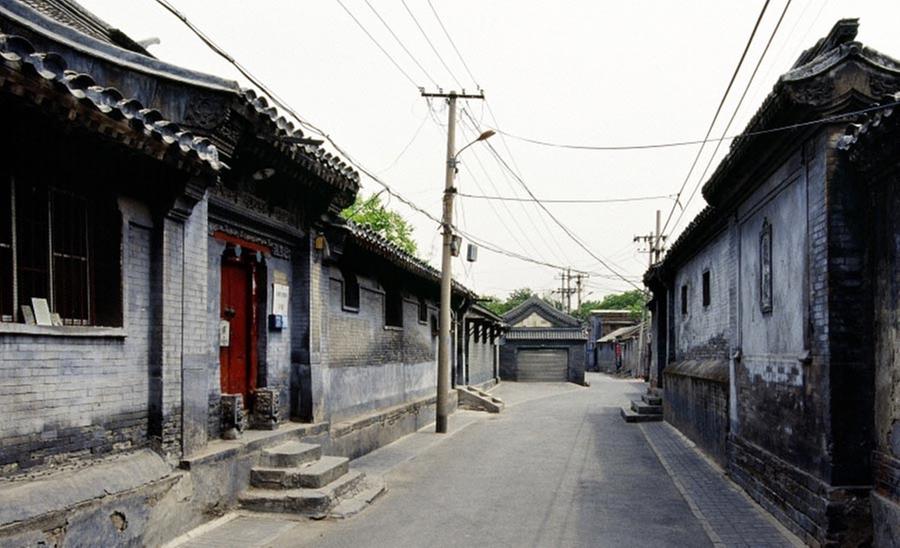
Hutongs are characterized by their narrow pathways and are often flanked by siheyuan, which are traditional courtyard residences. These courtyards are typically enclosed by single-story buildings arranged around a central open space. The layout of siheyuan reflects traditional Chinese architectural principles, emphasizing symmetry and harmony with nature. The design facilitates communal living, with multiple generations residing in close quarters, sharing the courtyard space. The narrow lanes of hutongs spill into these courtyards, creating a labyrinthine urban pattern that promotes social interaction and community cohesion.
Building Materials
The materials used in the construction of hutongs and siheyuan primarily include grey bricks and wood. The grey bricks are emblematic of traditional Beijing architecture and were chosen for their durability and aesthetic appeal. Wooden beams and frames are used extensively in the construction of siheyuan, offering flexibility and resilience to the structures. The roofs are typically topped with grey tiles, further accentuating the architectural uniformity of hutong compounds. These materials, while basic, contribute to the timeless charm and enduring nature of hutongs, making them an integral part of Beijing’s architectural identity.
Cultural Significance
Social Life
Hutongs are more than just architectural constructs; they are vibrant communities where social life flourishes. The alleyways are places where neighbors gather, share stories, and maintain close relationships. The communal lifestyle inherent to hutongs fosters a strong sense of belonging and identity among residents. Markets, vendors, and small businesses line these narrow streets, providing daily necessities and serving as social hubs. The interconnectedness of these communities is a defining feature of hutong life, contrasting with the anonymity often found in larger urban settings.
Traditions and Customs
The cultural fabric of hutongs is woven with traditions and customs that have been passed down through generations. Festivals and community events are central to hutong life, with residents participating in traditional celebrations that strengthen communal bonds. Activities such as tai chi, calligraphy, and tea ceremonies often take place in the courtyards, reflecting a lifestyle that values cultural continuity and heritage. The traditions upheld within hutongs are a testament to the resilience of cultural practices amid modernization and urban change.
Modern Developments
In recent years, hutongs have undergone significant modernization efforts to preserve their historical significance while adapting to contemporary needs. Renovations have focused on improving living conditions, updating infrastructure, and integrating modern amenities without compromising the historical integrity of these areas. Some hutongs have been transformed into cultural and tourist attractions, offering visitors a glimpse into traditional Beijing life. Despite these changes, efforts have been made to retain the authentic character and charm that define hutong communities.
Preservation Efforts
Preservation efforts for hutongs are crucial to maintaining Beijing's cultural and historical identity. These efforts include government initiatives to protect and restore historical hutongs, as well as community-driven projects to document and celebrate hutong culture. Conservation plans aim to retain the original architectural features and urban layout while improving the quality of life for residents. International collaborations and local advocacy have further bolstered preservation endeavors, ensuring that hutongs remain a living testament to Beijing's rich history.
Notable Hutongs
Beijing is home to numerous notable hutongs, each with its unique history and cultural significance. Shijia Hutong, for instance, is renowned for its historical residences and the Shijia Hutong Museum, which offers insights into traditional hutong life. Nanluoguxiang is famous for its vibrant atmosphere, filled with shops, cafes, and cultural landmarks. Dashilan, one of the oldest commercial hutongs, boasts a rich history of trade and commerce. These hutongs, among others, are celebrated for their ability to blend historical charm with modern vibrancy.
Influence on Urban Planning
Hutongs have significantly influenced urban planning in Beijing and beyond, demonstrating the importance of integrating historical elements into modern cityscapes. Their grid-like layout and communal living model have informed contemporary urban design, emphasizing the value of community spaces and pedestrian-friendly environments. The preservation and adaptation of hutongs serve as a blueprint for sustainable urban development, highlighting the balance between historical conservation and modern innovation.








