Jingdezhen
Overview
Jingdezhen, located in Jiangxi province, China, is globally recognized as the "Porcelain Capital" due to its millennium-long history of ceramic production. The city has been a hub for porcelain craftsmanship for over 1,000 years, blending traditional techniques with modern innovations to maintain its reputation as a center of excellence in ceramics. Jingdezhen's porcelain industry has profoundly influenced global ceramic culture, with its products being exported worldwide via ancient trade routes such as the Silk Road.
Historical Significance
Jingdezhen's history as a ceramics production center dates back to the Tang Dynasty (618–907), with its porcelain craft reaching its peak during the Ming (1368–1644) and Qing (1644–1911) dynasties. Originally known as Changnan, the town was renamed Jingdezhen during the Song Dynasty (960–1279) when Emperor Zhenzong honored its exquisite porcelain by allowing it to bear his reign title, "Jingde". The city's proximity to the Changhe River facilitated the transportation of raw materials and finished porcelain products, contributing to its growth and prominence.
During the Yuan Dynasty (1271–1368), Jingdezhen became the site of imperial kilns, producing porcelain exclusively for the royal family. Its blue-and-white porcelain masterpieces from this era were exported to over 40 countries and regions, establishing Jingdezhen as a global leader in ceramic artistry.
Cultural Heritage
Jingdezhen's porcelain-making techniques are considered a National Intangible Cultural Heritage, reflecting the city's deep-rooted cultural significance. The craft involves intricate processes such as casting clay molds, underglaze painting, and firing at high temperatures, requiring exceptional skill and precision. The city's ceramics are celebrated for their aesthetic brilliance, technical innovation, and historical value.
The Jingdezhen China Ceramics Museum and the Ancient Kiln & Folk Customs Museum are key attractions that showcase the city's rich ceramic heritage. The museums house extensive collections of porcelain artifacts, including Neolithic pottery, imperial kiln ceramics, and contemporary masterpieces. Visitors can explore ancient kilns, traditional workshops, and exhibits that highlight the evolution of Jingdezhen's ceramic industry.
Modern Revival
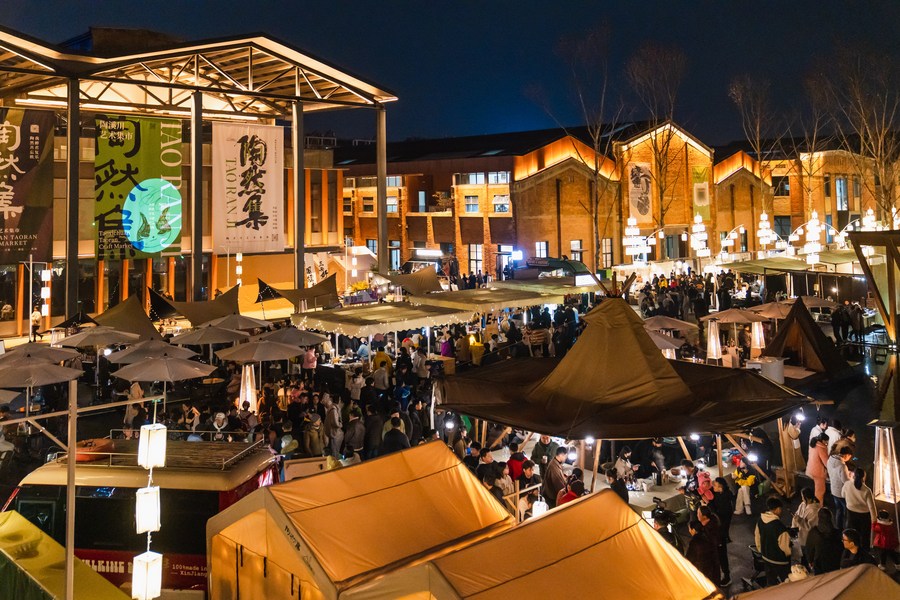
In recent years, Jingdezhen has experienced a resurgence in its ceramic industry, driven by innovation, digital technologies, and government support. The city has embraced automation and online platforms to enhance production efficiency and expand market reach. Initiatives such as the Taoxichuan Ceramic Art Avenue and Ceramic Art Revenue have transformed former factory compounds into creative hubs, attracting young artists, entrepreneurs, and international craftsmen.
Jingdezhen's efforts to promote cultural exchange and artistic collaboration have made it a global ceramic art hub. The city hosts annual events like the Jingdezhen China International Ceramic Fair, which brings together ceramic industry professionals from around the world. Foreign artists, including those from Sweden, Spain, and Turkey, have established studios in Jingdezhen, contributing to its vibrant artistic community.
Artistic Innovation
Jingdezhen is a beacon for creativity, offering a unique environment for artists to experiment and refine their craft. The city's ceramic art scene is characterized by a fusion of traditional techniques and contemporary designs. Artists like Ryan LaBar and Torsten Jurell have found inspiration in Jingdezhen's rich heritage, creating works that bridge cultural boundaries and push artistic boundaries.
The city's commitment to preserving its historical legacy while fostering innovation is evident in projects like the Jingdezhen Imperial Kiln Museum. The museum's architectural design, inspired by traditional egg-shaped kilns, has garnered international acclaim, winning prestigious awards such as the Architizer A+Awards.
Economic Impact
The ceramics industry remains a vital economic pillar for Jingdezhen, generating significant revenue and providing employment opportunities for thousands of residents. The city's porcelain products are exported to over 75 countries, with annual sales reaching millions of yuan. Livestreaming and e-commerce platforms have further boosted the industry's growth, enabling local artisans to connect with global markets.
Tourism and Cultural Exchange
Jingdezhen's historical and cultural districts, such as Taoyangli, attract millions of visitors annually. These areas offer a blend of ancient architecture, modern amenities, and immersive experiences, allowing tourists to appreciate the city's porcelain heritage.
The city's efforts to preserve its soul and legacy are reflected in initiatives like the restoration of ancient kilns and the promotion of ceramic folk customs. Jingdezhen's vibrant atmosphere and scholarly ambiance make it a must-visit destination for anyone interested in Chinese culture and ceramics. Article reference1. Jingdezhen China Ceramics Museum. chinaservicesinfo.com. 20212. Jingdezhen Ware: Peak of Ceramics Industry -- Ceramics, Ceramics Industry, and Urban Development. chinadaily.com.cn. 2020Photo Gallery(14 pictures)CategoriesCultural HeritageTagChinese CeramicsHistorical and Cultural CityCity TourismRelatedJingdezhen KilnGuangcai PorcelainQingbai PorcelainChinese PorcelainCatalogue1. Overview2. Historical Significance3. Cultural Heritage4. Modern Revival5. Artistic Innovation6. Economic Impact7. Tourism and Cultural Exchange- - - []








