Khoomei
Introduction
Khoomei, also known as throat singing, is a unique vocal technique that has been traditionally practiced by the nomadic cultures of Inner Mongolia and surrounding regions. This distinctive method of singing allows a vocalist to produce multiple pitches simultaneously, creating a harmonic and resonant sound. It is often accompanied by traditional instruments such as the horse-headed fiddle (matouqin), and is an integral part of the cultural heritage and musical expression of the Mongolian people. Over the years, Khoomei has gained recognition not only as a traditional art form but also as an intriguing genre that has influenced contemporary music styles worldwide.
Khoomei was included in the national list of representative projects of intangible cultural heritage in 2006.
History
The history of Khoomei is deeply rooted in the cultural and musical traditions of the ethnic groups inhabiting the vast grasslands of Mongolia and parts of China, including the Inner Mongolia autonomous region. This art form has been passed down through generations, with its origins tracing back to the shamanistic rituals and ceremonies of the ancient nomadic tribes. Historically, Khoomei served as a means of communication with nature and the spirits, with singers often emulating the sounds of the natural world, such as the wind and the calls of animals, through their vocal techniques. Over time, this form of singing evolved into a more structured musical genre, being incorporated into various folk songs and traditional performances.
Cultural Significance
Khoomei holds profound cultural significance for the Mongolian people and other ethnic groups in the surrounding regions. It is not merely a form of entertainment but a key component of cultural identity and heritage. Throat singing is often performed during cultural festivals, ceremonies, and celebrations, serving as a bridge connecting the present to ancient traditions and beliefs. The melodies and harmonies produced through Khoomei are thought to connect the singers with both the physical and spiritual worlds, thus playing a vital role in the cultural and spiritual life of the communities. Moreover, with its recognition as an intangible cultural heritage, Khoomei has become a symbol of cultural preservation and pride, not just for the Mongolian people but for all ethnic groups who practice it.
Music Style
Khoomei is characterized by its distinct vocal techniques, which allow singers to produce multiple notes at once, creating a sound that is both haunting and mesmerizing. It is typically performed solo, though it can also be part of an ensemble setting.
Vocal Techniques
The vocal techniques involved in Khoomei are complex and require years of practice to master. Singers must learn to control their vocal cords and produce harmonics by manipulating the resonating chambers within their mouth and throat. These techniques include overtone singing, where a single singer can create a melody and a drone simultaneously. The most common styles of Khoomei include sygyt, which produces a bright and whistle-like sound, and kargyraa, characterized by deep, growling tones.
Instrumentation
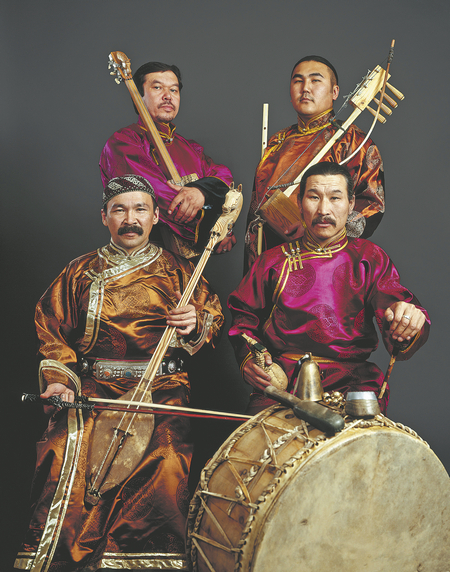
The traditional instrumentation that accompanies Khoomei includes the matouqin (horse-headed fiddle), a two-stringed bowed instrument revered for its melodic expressiveness and its ability to mimic the sounds of nature. Other instruments often used are the dombra, a long-necked lute, and various types of flutes and percussion instruments, which enhance the rhythmic and harmonic richness of the performance.
Performance Practices
Khoomei performances vary widely, from informal gatherings and cultural festivals to formal competitions and international showcases. Performers often dress in traditional attire, which reflects the cultural and historical context of the music. The setting of the performance, often outdoors in the open grasslands or in yurts, adds to the authenticity and atmosphere, allowing both performers and audiences to connect deeply with the music and its roots.
Modern Influence and Adaptations
In recent years, Khoomei has transcended its traditional boundaries, influencing a wide range of modern music genres. Artists and musicians from around the world have incorporated throat singing techniques into jazz, rock, electronic, and even classical music, creating a fusion that respects traditional roots while exploring contemporary expressions. This cross-cultural exchange has expanded the reach of Khoomei, attracting new generations of listeners and performers who are captivated by its unique sound.








