Luosifen
Introduction
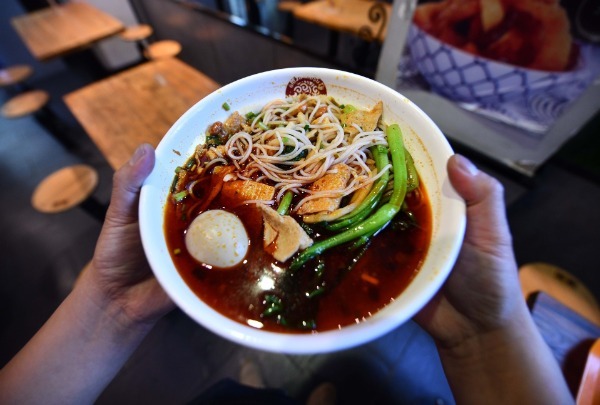
Luosifen, a unique and iconic dish from the city of Liuzhou in Guangxi Zhuang autonomous region, China, has gained widespread recognition and popularity for its distinctive taste and aroma. Known as a "stinky and spicy rice noodle", luosifen is characterized by its pungent smell, often compared to that of durian, which belies its savory and delicious flavor. The dish is a combination of Han, Miao, and Dong culinary traditions, featuring rice noodles served in a spicy broth made from river snails, and garnished with pickled bamboo shoots, dried turnip, fresh vegetables, and peanuts.
The appeal of luosifen lies in its complex flavor profile, which is both refreshing and spicy. The balance of ingredients creates a dish that is not only a sensory experience but also a representation of the rich cultural heritage from which it originates. Despite its strong odor, which has earned it playful monikers such as "King of Darkness" and "gastronomic bioweapon", luosifen has captivated the taste buds of many, transforming into a culinary phenomenon.
History
The origins of luosifen can be traced back to the late 1970s in the streets of Liuzhou, where it was initially a humble street food snack. Over the years, it has evolved from a local delicacy into a dish of national acclaim, partly due to its feature in the 2012 acclaimed food documentary, "A Bite of China". This exposure brought luosifen into the limelight, showcasing its unique qualities to a broader audience across China.
Recognized as an intangible cultural heritage in 2021, luosifen represents a significant cultural and culinary milestone within the region. The dish's evolution from being a simple street food to a nationwide sensation is a testament to its enduring appeal and the strategic efforts of local policymakers and entrepreneurs who saw the potential for growth and expansion.
Ingredients and Preparation
Key Ingredients
The key components of luosifen contribute to its distinctive taste and aroma. The primary ingredient, rice noodles, serves as a neutral base that absorbs the flavors of the accompanying broth and toppings. The broth itself is a masterful concoction, traditionally flavored with river snails, which impart a subtle umami richness. This is augmented by the inclusion of sour bamboo shoots, a staple ingredient in the Guangxi region known for its pungent aroma.
Other essential ingredients include dried turnip, fresh vegetables, and peanuts, which add textural contrast and enhance the overall flavor profile. The dish is completed with a harmonious blend of spices, including chili and vinegar, which provide the characteristic heat and tanginess that define luosifen.
Preparation Process
The preparation of luosifen involves several meticulous steps to ensure the authenticity and quality of the final dish. The process begins with the careful selection of ingredients, particularly the bamboo shoots, which are fermented to achieve the desired level of sourness and aroma. Once the broth is prepared, the rice noodles are cooked separately and then combined with the broth.
The toppings – sour bamboo shoots, dried turnip, and peanuts – are added as garnishes, along with fresh vegetables for color and texture. The final touch is a drizzle of chili oil, which infuses the dish with a vibrant red hue and a spicy kick, making luosifen a truly multi-sensory culinary experience.
Cultural Significance
Luosifen holds a special place in the culinary landscape of Liuzhou and the wider Guangxi region. It represents a fusion of different ethnic culinary traditions, showcasing the diverse cultural heritage of the Han, Miao, and Dong peoples. The dish is not only a testament to the rich tapestry of flavors that characterize regional Chinese cuisine but also an embodiment of the ingenuity and creativity of its originators.
As a cultural icon, luosifen has played a significant role in promoting Liuzhou as a destination for gastronomy. The city's night markets and roadside stalls, where luosifen is frequently sold, have become vibrant hubs of local culture and community, attracting both locals and tourists eager to experience the authentic taste of luosifen.
Popularity and Global Reach
Over the years, luosifen has transcended its regional roots to achieve national and even international popularity. The dish's unique flavor profile and its reputation as a "must-try" culinary experience have contributed to its widespread appeal. During the COVID-19 pandemic, the demand for luosifen surged as stay-at-home foodies sought out ready-to-serve meals, leading to a significant increase in sales and production.
The export of luosifen has also seen remarkable growth, with shipments reaching markets in the United States, Australia, Europe, Singapore, and New Zealand. This global reach is supported by efforts to adapt the traditional recipe to suit international tastes, such as using alternative broths like beef bone broth while maintaining the core essence of the dish.
Variations and Customizations
As luosifen continues to gain popularity, variations and customizations have emerged to cater to diverse palates. While the traditional recipe remains a staple, innovative adaptations have been introduced to expand its appeal. Some producers have experimented with different broths, such as chicken or vegetable, to offer milder alternatives for those who may find the original river snail broth too intense.
Additionally, variations in toppings and spice levels allow for personalization, enabling consumers to adjust the dish to their preferences. This adaptability has contributed to luosifen's success as a versatile and dynamic culinary offering, appealing to a wide range of taste preferences and dietary requirements.








