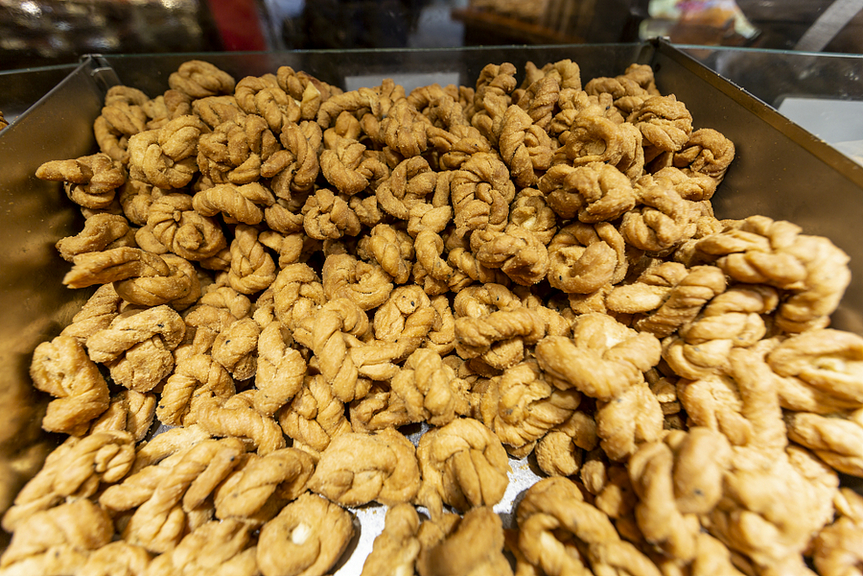
Mahua
Introduction
Mahua is a traditional Chinese snack known for its intricate preparation and distinctive taste, originating from Northern China, particularly Tianjin. This snack is deeply embedded in the local culture and is available in both sweet and salty variations. With its deep-fried preparation, mahua offers a crispy texture and rich flavor, making it a popular delicacy across different regions in China. In addition to its culinary appeal, mahua holds significant cultural value, being a part of various local rituals and customs.
History
The history of mahua is closely tied to the culinary traditions of Tianjin, where it is believed to have originated. The snack has been a staple in Northern Chinese cuisine for centuries, evolving through various dynastic periods, including the Qing Dynasty (1644-1911). Its preparation techniques and recipes have been passed down through generations, maintaining the authenticity of the snack while allowing for regional variations. Over the years, mahua has been celebrated in local festivals and has become a symbol of traditional Chinese gastronomy. The enduring popularity of mahua can be attributed to its unique taste and the cultural significance it holds in the regions where it is most prevalent.
Varieties
Mahua comes in a wide array of varieties, each offering a unique taste experience. The most common types are the sweet and salty versions, catering to different palates. Sweet mahua often incorporates ingredients like rock sugar and sweet-scented osmanthus, providing a fragrant and rich flavor. On the other hand, the salty version is typically seasoned with sesame seeds and sometimes with spices, offering a savory taste. Regional differences also contribute to the variety of mahua, with some areas adding local ingredients to enhance the snack's flavor profile. Additionally, modern interpretations have introduced innovative flavors, expanding the traditional boundaries of this beloved Chinese snack.
Production
The production of mahua is a meticulous process that requires skill and precision. It begins with the careful selection of ingredients, including high-quality flour, sesame seeds, and sometimes walnut oil or peanuts, depending on the desired flavor. The dough is kneaded until it reaches the perfect consistency, then twisted into intricate shapes before being deep-fried until golden brown. This frying process ensures that mahua achieves its signature crispiness while retaining a soft interior. In Tianjin's Hexi district, a museum dedicated to mahua showcases the traditional methods of production and provides insights into the snack's rich history. Visitors can witness the step-by-step process and even participate in making their own mahua.
Cultural Significance
Traditional Uses
Mahua holds a special place in the cultural landscape of Northern China, often used in traditional ceremonies and celebrations. It is commonly served during festivals and family gatherings, symbolizing prosperity and good fortune. In some regions, mahua is also part of wedding rituals, where it is given as a gift to the bride's family. The snack's presence in these important events reflects its status as a cultural emblem and its role in fostering communal ties and cultural continuity.
Rituals and Festivals
Mahua is intricately linked with various Chinese rituals and festivals. During the Chinese New Year, it is a popular treat, signifying the sweetness and joy of the coming year. The snack is also featured in the Mid-Autumn Festival and is often included in offerings to deities and ancestors. In Tianjin, local festivals celebrate mahua with events showcasing its preparation, allowing the community to engage with their culinary heritage. These festivals not only highlight mahua's culinary attributes but also its symbolic representation of unity and tradition. Photo Gallery(2 pictures)CategoriesLifestyleTagFood CultureLocal CultureRelatedHuang JianxinGoodbye Mr. Loser (Film)Never Say Die (Film)Moon Man (Film)Catalogue1. Introduction2. History3. Varieties4. Production5. Cultural Significance- - - []








