Manas
Introduction
The Epic of Manas is one of the three major epic poems of China's ethnic groups, specifically the Kirgiz people. This vast and grandiose narrative has been sung for over a thousand years, chronicling the heroic tales of eight generations of the family of Manas, a legendary Kirgiz folk hero. It illustrates the battles fought by Manas and his progeny against invaders, emphasizing their indomitable spirit and unity. As a cultural treasure, the epic encapsulates the Kirgiz people's values, traditions and aspirations for a better life.
With over 234,000 lines, the Epic of Manas is said to be 19 times longer than Homer's Odyssey, making it one of the longest epics in the world. Its narrative spans eight chapters in 18 volumes, serving not only as a riveting story but also as an oral encyclopedia of the Kirgiz people, capturing their history, geography, religion, economy, customs and more.
The epic was included in UNESCO's Representative List of the Intangible Cultural Heritage of Humanity in 2009.
Etymology
The name "Manas" is derived from the central heroic figure of the epic, Manas himself, who is a cultural icon and legendary leader for the Kirgiz people. The term signifies bravery, unity and the enduring spirit of resistance against oppression. As the epic evolved over centuries, the name "Manas" has come to represent not just the individual hero, but the collective ethos of the Kirgiz people and their historical narrative. The epic's oral transmission has allowed its etymological roots to remain deeply embedded in the Kirgiz linguistic and cultural identity, with phrases and terminologies from the epic permeating everyday language and embodying the essence of Kirgiz heritage.
Historical Background
The origins of the Epic of Manas can be traced back to the 9th and 10th centuries, encapsulating the Kirgiz people's struggles and triumphs during the Middle Ages. It is believed to have first appeared as an oral tradition, passed down through generations by storytellers known as manaschi. The epic chronicles significant historical events and developments, including the Kirgiz tribes' resistance against marauders and their internal unification under the leadership of Manas. This period of history was marked by frequent invasions and territorial conflicts, which are vividly depicted in the narrative. The epic's detailed portrayal of ancient Kirgiz society and its interactions with neighboring cultures provides valuable insights into the political and social dynamics of the time.
In modern times, the Epic of Manas has been celebrated and preserved through various artistic forms, including opera, literature and visual arts. The epic has also been featured in cultural festivals and tourism events, such as the Manas International Cultural Tourism Festival in Xinjiang, which showcases its enduring appeal and relevance.
Cultural Significance
In Literature
The Epic of Manas is a cornerstone of Kirgiz literature and oral tradition. Its narrative structure, rich in metaphor and symbolism, has inspired countless literary works and adaptations. Traditionally performed by the manaschi, the epic was transmitted orally, allowing for variations and embellishments that enriched its literary complexity. The epic's influence extends beyond Kirgizstan, with translations in multiple languages and academic studies conducted worldwide. Its themes of heroism, loyalty, and justice resonate universally, making it a valuable literary asset not only for the Kirgiz people but for global audiences.
In Art and Music
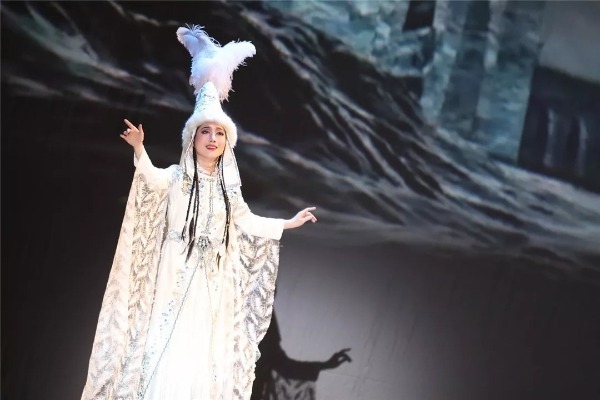
The artistic portrayal of the Epic of Manas is vividly realized in various forms, from traditional music to modern visual arts. The opera adaptation by the China National Opera House incorporated traditional Kirgiz instruments, such as kumzi fiddles and Kirgiz flutes, to create an authentic musical experience. These performances celebrate the epic's cultural heritage, offering audiences a sensory journey through the history and ethos of the Kirgiz people. Artists like Elzati Eshantol have also contributed to preserving the epic through illustrations and visual storytelling, bringing its characters and scenes to life. Such artistic endeavors ensure that the epic's legacy continues to inspire and educate future generations.
Manas in Modern Society
The legacy of Manas is celebrated through numerous festivals and cultural events, particularly in regions with significant Kirgiz populations. The Epic of Manas has profoundly influenced the language and cultural identity of the Kirgiz people. Expressions, metaphors, and phrases from the epic have become embedded in everyday speech, enriching the Kirgiz language with historical and cultural references. The epic's themes of resilience, justice and unity continue to resonate with the Kirgiz people, shaping their collective identity and sense of pride.
Preservation
Efforts to conserve and preserve the Epic of Manas have been ongoing, involving collaboration between cultural institutions, governments, and local communities. Various projects aim to document and study the epic, including the creation of archives and databases that store oral and written versions of the narrative. Educational programs and workshops are also organized to train new generations of manaschi, ensuring the epic's oral tradition is kept alive.
Despite these efforts, the Epic of Manas faces challenges and threats in the modern era. The decline of traditional storytelling practices and the influence of globalization pose risks to the epic's preservation. Additionally, the oral nature of the epic makes it vulnerable to loss and distortion over time.








