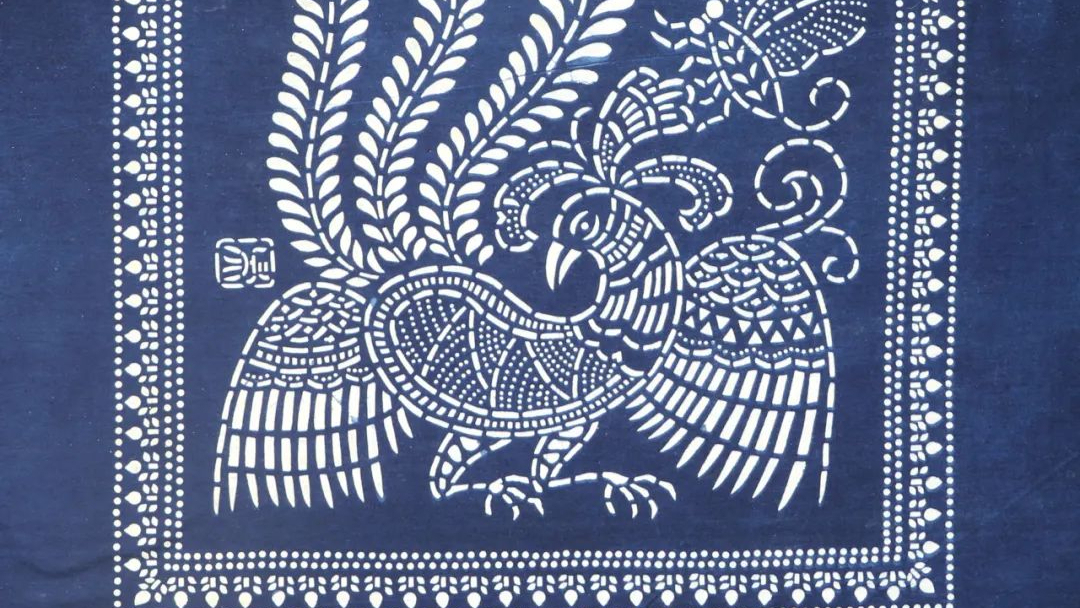
Phoenix
凤
- 分类: 文化遗产
- ID: 1863167844367044609
Home CategoryCultural HeritagePhoenixPlay2.5 minsThe Phoenix is a revered cultural symbol in Chinese tradition, embodying auspiciousness, harmony, and grace. Unlike the Western phoenix, which is associated with fire and rebirth, the Chinese phoenix represents virtues and is often a harbinger of peace and prosperity. It is deeply embedded in Chinese mythology, art, and cultural identity, frequently appearing in literature, architecture, and decorative arts.ShareRelated Videos**Dance: 'Phoenix Presenting Rituals' 00:03:23Catalogue1. Origins and Mythology2. Symbolism3. Cultural Significance
Origins and Mythology
In ancient Chinese mythology, the Phoenix, or Fènghuáng, was regarded as a divine bird. Early depictions combined features of multiple animals: the head of a rooster, the body of a swan, and the tail of a peacock, symbolizing the unity of different creatures. The Fèng (male phoenix) and Huáng (female phoenix) originally represented yin and yang, but over time, the terms merged, and the Phoenix became a singular symbol of feminine beauty and the Empress in Chinese culture.
The Phoenix was said to appear only in times of great harmony or when a virtuous ruler was in power. It symbolized the Five Virtues of Confucianism: benevolence, righteousness, propriety, wisdom, and sincerity.
Symbolism
Virtue and Harmony
The Phoenix represents the ideal qualities of a person or ruler, blending strength with kindness. Its appearance is associated with balance and a just society.
Feminine Power
In imperial China, the Phoenix symbolized the Empress, complementing the dragon, which represented the Emperor. Together, they embodied balance and unity.
Prosperity and Renewal
The Phoenix is an omen of good fortune, signifying new beginnings, success, and peace.
Unity of Diversity
As a composite creature, the Phoenix represents harmony among different elements, making it a symbol of inclusiveness and unity.
Cultural Significance
Art and Architecture
The Phoenix is a recurring motif in Chinese decorative arts, often appearing on imperial robes, jewelry, and ceramics. It is also a popular design in traditional architecture, where its imagery adorns roofs, ceilings, and walls to convey blessings.
Weddings
The Phoenix frequently appears alongside the dragon in wedding ceremonies, symbolizing the union of masculine and feminine forces and wishing the couple a harmonious marriage.
Modern Usage
In contemporary China, the Phoenix remains a symbol of national identity, cultural pride, and prosperity. It often appears in logos, literature, and celebrations as a representation of enduring cultural heritage.
Photo Gallery(23 pictures)CategoriesCultural HeritageTagChinese Cultural SymbolRelatedShu BrocadeMiao BrocadeDong EmbroideryYue EmbroideryCatalogue1. Origins and Mythology2. Symbolism3. Cultural Significance-
- []








