Pingshu
Introduction
Pingshu, a traditional Chinese form of storytelling, has a rich history that dates back over a millennium. This oral tradition, which involves a storyteller recounting tales with the aid of minimal props, is deeply rooted in Chinese culture and literature, and has been a significant part of the country's entertainment landscape for centuries.
The art form was recognized as part of China's national intangible cultural heritage in 2008, highlighting its cultural significance.
Historical Background
Pingshu is one of the most popular forms of quyi, a term that encompasses traditional Chinese folk arts, including ballad singing and cross-talk. The art form is distinguished by its unique method of delivery, where the performer, typically clad in a traditional gown, sits at a desk, often using a folding fan and a wooden block (known as xingmu) to enhance the storytelling. The fan serves as a versatile prop, depicting actions such as writing a letter or wielding a sword, while the xingmu is used to punctuate the narrative.
Pingshu gained significant popularity during the mid-20th century, particularly from the mid-1980s to the mid-1990s, when television and radio were the predominant entertainment media. This period, known as the "golden decade" of pingshu, saw the art form reach unprecedented levels of acceptance and admiration. Renowned artists like Tian Lianyuan, who introduced new techniques and shortened traditional performances to suit television formats, played a crucial role in this revival.
Notable Artists
Several artists have been instrumental in the preservation and promotion of pingshu. Tian Lianyuan, a leading figure in the art's modern revival, is known for his innovative techniques and ability to connect with contemporary audiences. Liu Lanfang, one of the few female pingshu artists, has been celebrated for her engaging performances of classic tales like "The Story of Yue Fei", which explore themes of loyalty and integrity.
Shan Tianfang, another legendary pingshu master, left a lasting legacy with his vivid interpretations of historical events and novels. His work inspired many, including Zhao Liang, a younger artist who continues to promote pingshu through both live performances and online platforms.
Modern Development
While pingshu faces challenges from modern entertainment forms and the dwindling number of traditional performance venues, efforts are being made to sustain and adapt the art form. Young performers are experimenting with new styles and incorporating contemporary themes to appeal to broader audiences. Educational institutions like Beijing Vocational College of Opera and Arts have even introduced pingshu as part of their curriculum, ensuring that future generations are trained in this unique storytelling tradition.
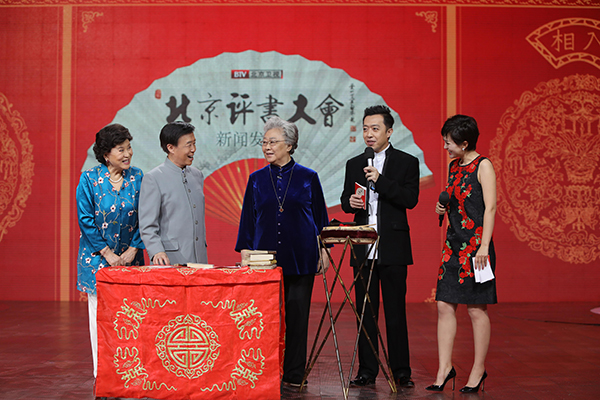
Despite waning interest in the late 1990s due to the rise of television dramas and changing entertainment preferences, pingshu has experienced a resurgence in recent years. Programs like Assembly of Pingshu Artists in Beijing have brought pingshu back to television screens, showcasing the talents of veteran artists and introducing the art to younger generations. Additionally, online communities and platforms such as Baidu Tieba and Himalaya FM have provided spaces for fans and practitioners to share performances and discuss the art form.








