Qingyi
Introduction
Qingyi, one of the major female roles in traditional Chinese opera, is renowned for its dignified and solemn presence on stage. The term "Qingyi" originates from the characteristic blue or green robe often worn by performers of this role, signifying modesty and propriety. Qingyi roles primarily depict virtuous and noble women, such as loyal wives, devoted mothers, or heroines of great moral strength.
Origins
The Qingyi role has its roots in the Yuan Dynasty (1271-1368), a formative era for Chinese opera, but it achieved significant prominence during the Ming (1368-1644) and Qing (1644-1911) dynasties as regional opera styles flourished. During this time, performers refined the singing and acting techniques that define Qingyi roles, focusing on vocal precision and understated movements.
In Peking Opera, Qingyi is one of the major Dan subtypes, alongside Huadan (vivacious women), Laodan (elderly women), and Wudan (martial women). The role gained its modern structure and stylistic norms during the 19th and early 20th centuries.
Role Characteristics and Features
Qingyi roles are characterized by their emphasis on dignity, composure, and moral virtue. These characters often represent ideals of Confucian ethics, embodying traits such as loyalty, filial piety, and chastity. Their movements on stage are deliberate and measured, reflecting inner strength and discipline.
The performance of Qingyi roles is primarily focused on singing, with relatively minimal physical action. Performers are trained to deliver highly expressive and nuanced vocalizations, often using a delicate falsetto to convey the emotions of the character. This vocal technique is accompanied by stylized gestures, including subtle hand and arm movements, to enhance the portrayal of the character's inner world. The Qingyi style requires years of rigorous training, as performers must master complex melodic patterns, precise intonation, and the art of embodying restrained emotion.
Costumes and Makeup
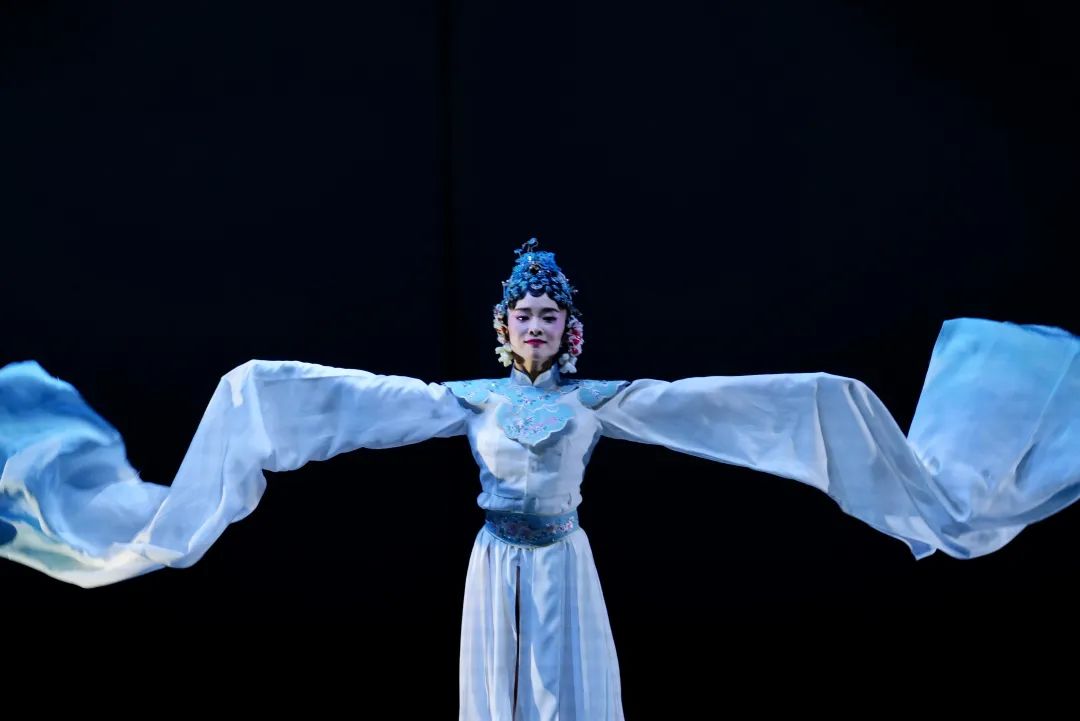
The visual presentation of a Qingyi role is a critical aspect of its identity. Performers typically wear long, flowing robes in shades of blue or green, often adorned with intricate embroidery. These costumes symbolize elegance, humility, and propriety. The sleeves are particularly significant, as their movement is used to convey emotion and complement the performance's rhythm.
The makeup for qingyi roles is subtle and refined, designed to highlight the performer's features without overshadowing their expressions. The face is painted with a pale base, with delicate accents around the eyes and lips to project an image of gentleness and poise. The headdresses worn by qingyi performers are often elaborate, featuring intricate designs and symbolic motifs, further enhancing the character's noble stature.
Cultural Significance
Qingyi roles hold a unique place in Chinese culture, serving as embodiments of traditional virtues and ideals. Through their performances, these characters bring to life timeless stories of love, sacrifice, and duty, resonating deeply with audiences across generations. They also reflect the aesthetic principles of Chinese opera, which prioritize balance, subtlety and emotional depth.
The enduring popularity of qingyi roles highlights their universal appeal and their ability to convey profound human emotions through a highly stylized art form. By preserving these traditions, qingyi continues to inspire new generations of performers and audiences alike, ensuring its place in the rich cultural tapestry of China.








