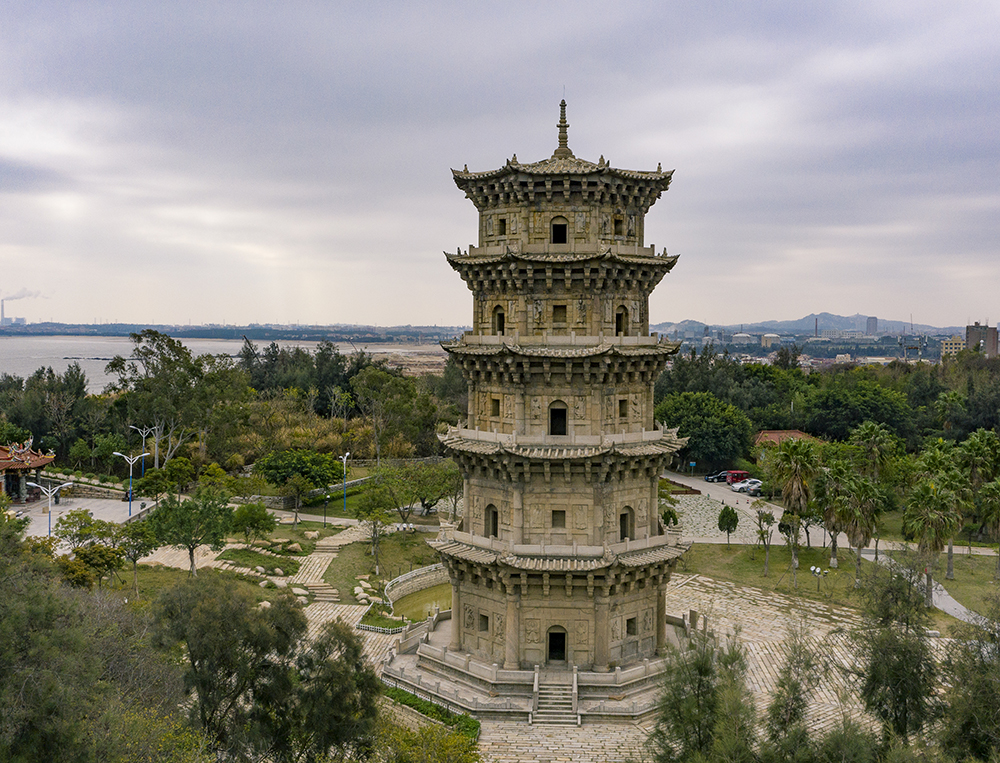
Quanzhou
泉州
- 分类: 旅游
- ID: 1866450579164573697
Home CategoryTourismQuanzhouPlay6 minsQuanzhou, in Fujian, East China, was a key maritime trade hub during the Song and Yuan dynasties, known as Zayton internationally. Recognized as "Quanzhou: Emporium of the World in Song-Yuan China" by UNESCO, it played a crucial role in the Maritime Silk Road. The city features cultural sites like Kaiyuan Temple and Qingjing Mosque, showcasing its diverse heritage. Today, Quanzhou balances historical preservation with economic growth, attracting scholars and tourists.ShareRelated Videos**Amazing China in 60 Seconds: Fujian 00:00:59Catalogue1. History2. Geography3. Demographics4. Culture5. Tourism
History
Ancient Times
Quanzhou's historical roots trace back to ancient times, with archaeological evidence indicating its development as a significant urban center as early as the Tang Dynasty (618-907). Its strategic coastal location facilitated its emergence as a bustling seaport, serving as a gateway for cultural and commercial exchanges between China and the broader world. The city was a melting pot of different civilizations, attracting traders, scholars, and religious figures from across Asia and beyond. The diverse cultural landscape of Quanzhou during this period laid the foundation for its later prominence during the Song and Yuan dynasties.
Maritime Silk Road
During the Song and Yuan periods, Quanzhou reached the zenith of its influence as an international maritime trade center. It was famously known overseas as Zayton, a name that resonated across trade networks extending to the Middle East, India, and Africa. Quanzhou's port was a vital link in the Maritime Silk Road, facilitating the exchange of goods such as silk, porcelain, and spices. The city's infrastructure, including its bridges, docks, and religious sites, showcased an advanced urban planning and multicultural society. The Maritime Trade Office, established in 1087, played a key role in regulating and promoting trade, further cementing Quanzhou's status as the "emporium of the world" during this era.
Modern Era
Quanzhou's transition into the modern era saw the city balancing its historical heritage with contemporary development. The rich historical and cultural legacy of Quanzhou continues to be a source of pride and a catalyst for economic growth. Efforts to preserve and promote its cultural heritage have been recognized on an international scale, as evidenced by its UNESCO World Heritage designation. Today, Quanzhou is a vibrant city that embraces both its historical roots and its role as a modern economic center, continuing to foster cultural exchanges and international cooperation.
Geography
Location
Quanzhou is situated in the southeastern part of Fujian province, along China's eastern coast. The city's strategic coastal position has historically facilitated its development as a major seaport and trade hub. The surrounding geography is characterized by a mix of coastal features, hills, and islands, contributing to its picturesque landscapes and diverse ecosystems.
Climate
The climate of Quanzhou is classified as subtropical, characterized by mild winters and hot, humid summers. The region experiences a significant amount of rainfall throughout the year, with the wettest months occurring during the summer monsoon season. The favorable climate has contributed to the city's agricultural productivity and lush natural environment, supporting a variety of flora and fauna.
Demographics
Quanzhou's population reflects its historical role as a center of cultural exchange and diversity. Over the centuries, the city has attracted people from various regions and backgrounds, contributing to its rich multicultural tapestry. Today, Quanzhou is home to a diverse population that includes Han Chinese as the majority, along with ethnic minorities such as the Hui and She people.
Culture
Traditional Art Forms
Quanzhou is renowned for its rich tradition of folk arts and crafts, which have been passed down through generations. Traditional art forms such as puppetry, nanyin music, and ceramic production are integral to the city's cultural identity. Nanyin, a classical music genre originating from Quanzhou, is known for its melodious tunes and poetic lyrics, often performed with traditional instruments. The city is also famous for its porcelain and ceramic production, particularly the Dehua kilns, which are renowned for their exquisite craftsmanship and artistic value.
Cuisine
The culinary heritage of Quanzhou is a reflection of its diverse cultural influences and coastal geography. The city's cuisine is characterized by its emphasis on fresh ingredients, seafood, and delicate flavors. Traditional dishes such as oyster omelets, fried taro cake, and fish ball soup are staples of Quanzhou's culinary scene. The influence of Fujian's tea culture is also evident in Quanzhou, with a variety of teas, including the famed Wuyi rock tea, being an integral part of social gatherings and daily life.
Tourism
Attractions
Quanzhou offers a wealth of attractions that reflect its historical, cultural, and natural beauty. Key sites include the Kaiyuan Temple, the largest Buddhist temple in Fujian province, and the Qingjing Mosque, one of the oldest mosques in China. The city's scenic landscapes, including its coastal areas and nearby islands, provide opportunities for outdoor exploration and relaxation. Quanzhou's vibrant cultural festivals and traditional performances also attract visitors from around the world.
Museums
The Quanzhou Maritime Museum is a notable institution dedicated to preserving the city's maritime heritage and its role in the ancient Maritime Silk Road. Established in 1959, the museum features a comprehensive collection of historical relics and exhibits that highlight Quanzhou's contributions to shipbuilding, navigation, and cultural exchanges. The museum's dual sections, located near the scenic East Lake Park, offer visitors an immersive experience into the city's rich maritime history. Article reference1. Amazing China in 60 Seconds: Fujian. chinadaily.com.cn. 20222. City of Quanzhou included on UNESCO World Heritage List. chinadaily.com.cn. 20213. Quanzhou reveals discovery of old Silk Road sites. chinadaily.com.cn. 20204. Quanzhou Maritime Museum. chinaservicesinfo.com. 2018Photo Gallery(26 pictures)CategoriesTourismTagWorld HeritageCity TourismRelatedQuanzhou Wood CarvingQuanzhou Maritime MuseumXunpu floral headdressEast Asian City of CultureCatalogue1. History2. Geography3. Demographics4. Culture5. Tourism- - - []








