Roujiamo
Introduction
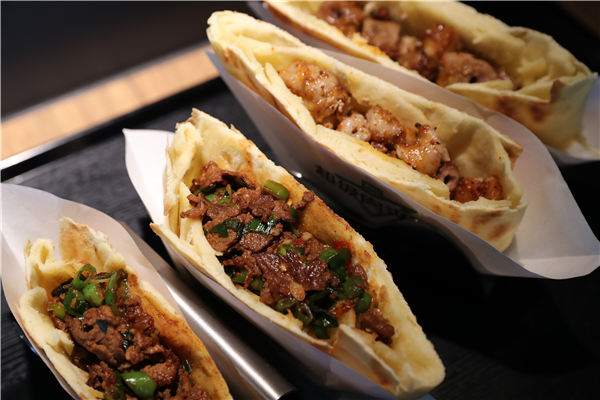
Roujiamo, also known as a "Chinese hamburger", is a popular traditional street food originating from the Shaanxi province of China. Known for its unique blend of flavors and textures, Roujiamo is often likened to a hamburger due to its sandwich-like form, consisting of a flatbread stuffed with richly flavored meat. Although sometimes referred to as "the world's oldest hamburger", the dish has a distinct identity and history in Chinese cuisine.
Typically, the bread used in Roujiamo is a crispy, oven-baked bun, and the filling is usually stewed pork mixed with green peppers and coriander. However, modern interpretations and variations of Roujiamo have widened the range of ingredients, incorporating different types of meat and even vegetarian options.
History
The origins of Roujiamo can be traced back to ancient China, with some sources suggesting that it dates as far back as the Qin Dynasty (221-206 BC). This long history highlights the dish's enduring popularity and significance in Chinese culinary tradition. Roujiamo was originally a snack for locals and travelers along the Silk Road, providing nourishment with its hearty and filling nature. Over centuries, it has evolved from a simple sustenance food to a beloved street food that is celebrated for its rich flavors.
Ingredients and Preparation
Types of Meat Used
The traditional meat used in Roujiamo is pork, stewed to perfection to create a succulent and flavorful filling. Over time, various types of meat have been incorporated into the dish to cater to different preferences and dietary restrictions. Common alternatives include beef, lamb, and chicken, each bringing its own unique flavor profile to the dish. These meats are typically seasoned with a variety of spices and herbs such as green peppers and coriander to enhance their taste and aroma.
Bread Making
The bread used in Roujiamo is a critical component of the dish, traditionally made using simple leavening techniques without the addition of yeast or baking soda. Sodium carbonate is sometimes used during the leavening process to neutralize any sourness, allowing the natural fragrance of the flour to shine. This results in a crispy outer crust with a soft and chewy interior, providing the perfect vessel for the flavorful meat filling. Modern variations may experiment with different bread forms and textures, but the essence of the traditional clay-baked bun remains a staple in authentic preparations.
Variations
Regional Differences
Regional differences in Roujiamo reflect the diverse culinary landscape of China. In Xi'an, the dish is often filled with diced pork seasoned with green peppers and coriander, whereas other regions may prefer different spices or cooking methods. For example, in some areas, beef or lamb is more commonly used, often reflecting local dietary preferences or availability of ingredients. Additionally, the type of bread and the method of preparation can vary significantly, contributing to the dish's wide range of flavors across different regions.
Modern Twists
Modern twists on Roujiamo have introduced a variety of innovative fillings and bread types to keep up with changing consumer tastes. For instance, eateries like Xibei Super Roujiamo have developed new fillings such as stir-fried spicy veal and grilled lamb shashlik, catering to contemporary palates seeking bold and unique flavors. Vegetarian options, such as stir-fried tomato and egg or shredded potato salad, have also gained popularity as more consumers look for plant-based alternatives. These modern interpretations maintain the essence of the dish while offering fresh and exciting dining experiences.
Cultural Significance
In Chinese Cuisine
In Chinese cuisine, Roujiamo holds a significant place as a beloved street food that is both convenient and satisfying. Its long history and widespread popularity have made it a staple in local food culture, particularly in Xi'an and other regions of Shaanxi province. The dish is often enjoyed as a quick snack or a hearty meal, embodying the rich culinary heritage and diversity of Chinese street food.
International Popularity
Roujiamo's international popularity has been growing as more people discover the unique flavors and textures of this traditional Chinese delicacy. Often compared to Western hamburgers, Roujiamo offers a distinctly Chinese twist that appeals to both locals and international visitors. As Chinese cuisine continues to gain global recognition, Roujiamo has emerged as a standout dish, celebrated for its authentic taste and cultural significance.
Comparison with Similar Dishes
While Roujiamo is often compared to Western hamburgers due to its sandwich-like form, the two dishes have distinct differences in terms of ingredients, preparation, and cultural context. Unlike the typical beef patty used in hamburgers, Roujiamo features a variety of stewed meats and spices, offering a unique taste experience. Furthermore, the preparation of the bread and the traditional cooking methods used for the filling set Roujiamo apart from its Western counterpart, highlighting the rich culinary traditions of China.
Consumption and Serving
Roujiamo is typically consumed as a convenient and satisfying street food, enjoyed by people on the go or as a quick meal option. It is often accompanied by a variety of side dishes, such as soup or noodles, enhancing the overall dining experience. The dish is served hot, with freshly prepared fillings and bread that provide a delightful combination of textures and flavors. Whether enjoyed as a traditional snack in the bustling streets of Xi'an or as a modern interpretation in a chic urban eatery, Roujiamo continues to delight diners with its timeless appeal.








