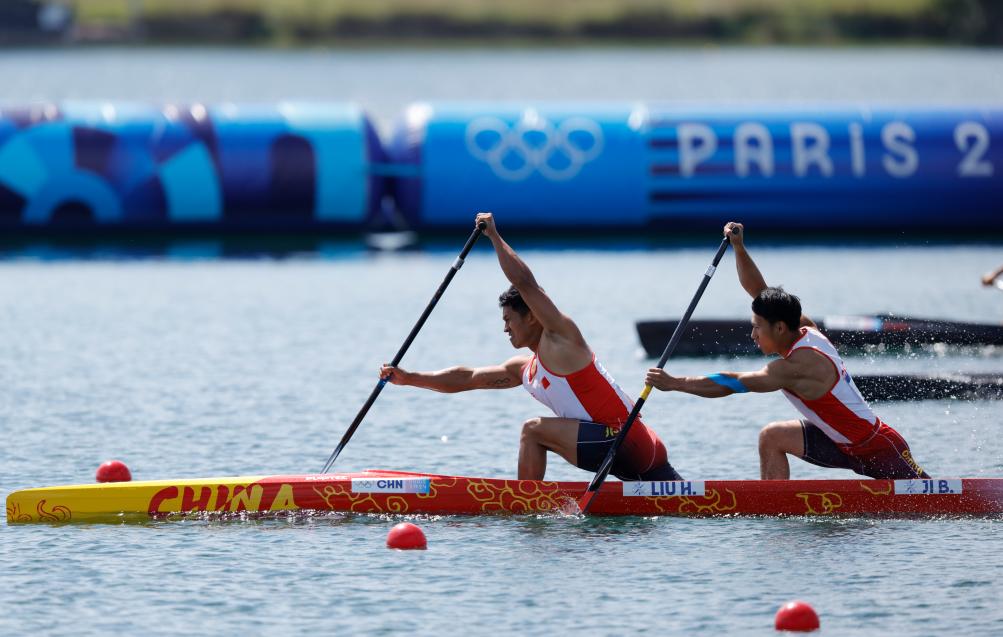
Rowing
Introduction
Rowing, a sport with deep historical roots, has evolved over centuries from a practical means of transportation to a highly competitive athletic endeavor. The sport is characterized by the use of oars to propel a boat through water, often in a race against other teams or individuals. Rowing has become a prominent feature of international sporting events, including the Olympics, where it showcases the combination of strength, endurance, and teamwork.
History of Rowing
The origins of rowing can be traced back to ancient civilizations where boats were primarily used for transportation, warfare, and fishing. Evidence from ancient Egypt, Greece, and Rome suggests that rowing was not only a mode of transport but also a form of recreation and competition. In the modern era, rowing began to develop as a competitive sport in England during the 17th and 18th centuries. The establishment of annual rowing competitions, such as the Henley Royal Regatta, helped to formalize the sport and establish its rules and regulations.
Rowing in the Olympics
Rowing has been a part of the modern Olympic Games since their inception in 1896. The sport includes various events differentiated by the number of rowers in a boat and whether the boat is coxed or coxless. The events are typically categorized into sculling and sweep rowing. In sculling, each rower uses two oars, while in sweep rowing, each rower uses one. The Olympic rowing events have expanded over the years to include both men's and women's competitions, highlighting the sport's commitment to gender equality.
Equipment and Techniques
Competitive rowing requires specialized equipment, including lightweight boats called shells and uniquely designed oars. The boats are engineered to be as hydrodynamic as possible to reduce water resistance. Rowers must master various techniques to maximize speed and efficiency, including the catch, drive, finish, and recovery phases of the rowing stroke. Training for rowing involves a rigorous regimen to build cardiovascular endurance, strength, and technical proficiency.
Rowing Clubs and Competitions
Globally, rowing clubs play a crucial role in promoting the sport and nurturing talent. These clubs offer training facilities, coaching, and opportunities for rowers to compete in local, national, and international regattas. Events such as the Oxford-Cambridge Boat Race, the Head of the Charles Regatta in Boston, and the World Rowing Championships attract extensive participation and spectatorship, celebrating the skill and endurance required in rowing.
Rowing as a Fitness Activity
Apart from its competitive aspect, rowing is also widely recognized for its health and fitness benefits. It provides a full-body workout, engaging multiple muscle groups, and is known for its low-impact nature, making it accessible to people of various fitness levels. Indoor rowing machines, or ergometers, have become popular in gyms and homes, offering a convenient way to experience the physical benefits of rowing without the need for water.
Environmental Considerations
Rowing takes place in natural environments such as rivers, lakes, and coastal waters, necessitating a commitment to ecological stewardship. Rowing organizations and clubs often participate in conservation efforts to protect the waterways that serve as their venues. Sustainable practices in equipment manufacturing and event organization are increasingly emphasized to minimize the sport's environmental footprint. Photo Gallery(1 picture)CategoriesSports and GamesTagModern SportsTraditional SportsRelatedGrain in EarDai BrocadeShu EmbroideryYue FeiCatalogue1. Introduction2. History of Rowing3. Rowing in the Olympics4. Equipment and Techniques5. Rowing Clubs and Competitions6. Rowing as a Fitness Activity7. Environmental Considerations- - - []








