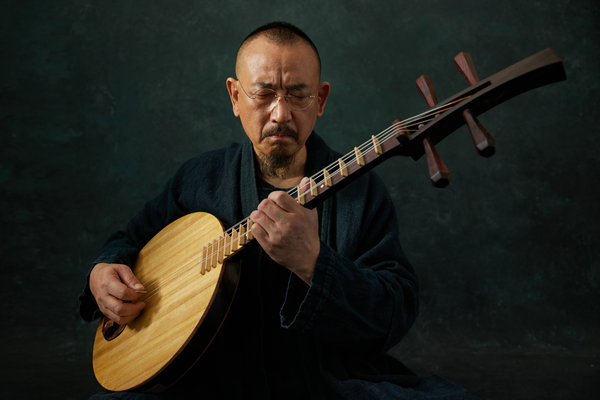
Ruan
Introduction
Ruan Music refers to a Chinese plucked string instrument with a long history spanning over two millennia. Recognized for its circular body and long neck, the ruan is a traditional instrument deeply embedded in Chinese cultural and musical traditions. Historically known for its mellow and resonant sound, the ruan has undergone significant transformations and adaptations over the centuries, evolving both in its physical construction and its role within the musical landscape. Today, it not only remains a staple in traditional Chinese music but also finds relevance in various contemporary music genres, reflecting its versatility and enduring appeal.
History and Development
Origins of Ruan
The ruan has a rich and storied history that dates back over 2,000 years. Its origins can be traced to ancient China, where it was initially crafted with a thin sound box and silk strings, producing a sound akin to the pipa. The instrument's early construction utilized valuable wood, highlighting its esteemed status in ancient Chinese culture.
Evolution of Playing Techniques
Over the centuries, the ruan has evolved significantly, both in its physical form and in the techniques employed to play it. The ruan of ancient China, with its delicate construction, produced short, clean sounds that were distinct from the broader, more resonant tones of contemporary ruan instruments. Modern enhancements, post-1949, have introduced variations in size and sound boxes, allowing for a wider range of tonal expressions. Techniques for playing the ruan have also adapted, integrating elements from other musical styles and instruments, thereby expanding its repertoire and musical capabilities.
Instruments
Types of Ruan
The ruan family has expanded to include various types that differ in size and pitch, including the zhongruan (medium) and daruan (large), which are prevalent in contemporary Chinese orchestras. This diversification allows the ruan to assume multiple roles within musical compositions, providing both melodic and harmonic support. Each variant has unique characteristics that contribute to its specific function within an ensemble or as a solo instrument.
Construction and Materials
The construction of the ruan has seen significant advancements, particularly in the materials used. While ancient ruans were crafted from valuable woods with silk strings, modern iterations often utilize materials that are moisture and mold-resistant, ensuring durability and sustainability. The manufacturing process involves over 10 meticulous steps, from shaping the body to tuning the instrument, each crucial in achieving the desired sound quality. The transition from silk to contemporary strings has also broadened the instrument's sound range, enabling it to produce both bright, loud sounds and deep, resonant tones.
Notable Musicians
Prominent ruan players have played a crucial role in propagating and evolving the instrument's legacy. Musicians like Feng Mantian, known for his innovative fusion of the ruan with contemporary genres, have been pivotal in enhancing its global appeal. Their contributions extend beyond performance; they often engage in educational and preservation efforts, ensuring the ruan's techniques and traditions are passed down to future generations.








