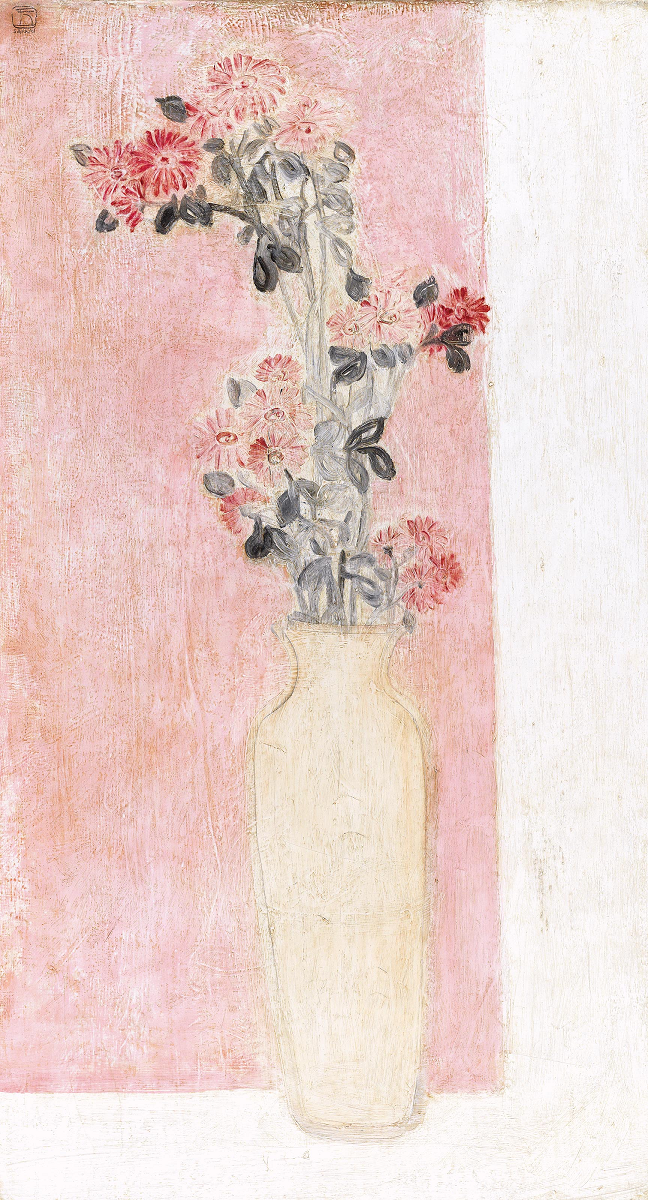
Sanyu
Introduction
Sanyu, also known as Chang Yu, was a renowned Chinese-French painter who left a significant mark on the art world with his unique blend of Eastern and Western styles. Born in Sichuan, China, Sanyu moved to Paris in 1921, where he spent most of his life until his death in 1966. Despite living in relative obscurity during his lifetime, Sanyu's works have gained immense recognition posthumously, establishing him as a pivotal figure in modern art. His paintings, characterized by their minimalistic forms and vibrant colors, often explore themes of solitude and nostalgia, reflecting his personal experiences and cross-cultural influences.
Early Life
His early years were steeped in Chinese traditions and customs, which would later play a crucial role in shaping his artistic vision. As a child, he exhibited a keen interest in art, encouraged by his family's appreciation for calligraphy and traditional Chinese painting. This foundational cultural influence can be seen throughout his oeuvre, as he often incorporated elements such as Chinese floral motifs and oracle-bone scripts into his work.
Education
Sanyu's formal education in art began in China, where he studied traditional Chinese painting techniques and calligraphy. His artistic journey took a significant turn in 1921 when he relocated to Paris, a city considered the epicenter of the modern art world at the time. In Paris, Sanyu immersed himself in the vibrant cultural scene, absorbing the influences of Western art movements such as Fauvism and Cubism. This exposure to different artistic styles and philosophies allowed him to develop a distinctive approach that harmonized Eastern sensibilities with Western modernity. Sanyu's education in Paris was not limited to formal institutions; he learned extensively from the vibrant artist community and his own explorations in the cultural tapestry of the city.
Career
Sanyu's career was marked by a continuous exploration of form and color, leading to a prolific body of work that includes paintings, drawings, and prints. Despite facing financial hardships, he maintained a steady output of art, often focusing on subjects that resonated with his personal experiences and cultural heritage.
Art Style and Techniques
Sanyu's art is celebrated for its simplicity and elegance, often described as a fusion of Eastern and Western aesthetics. His style is characterized by minimal forms, bold lines, and a sophisticated use of color, drawing comparisons to the work of Henri Matisse. Sanyu often employed traditional Chinese motifs, such as potted plants and floral arrangements, and combined them with Western techniques like oil painting and watercolor. This interplay of cultural elements is a hallmark of his work, exemplifying his ability to transcend geographic and stylistic boundaries.
Major Exhibitions
Throughout his career, Sanyu's work was occasionally exhibited, both in solo and group settings, although he did not achieve widespread recognition during his lifetime. Posthumously, however, his art has been featured in numerous prestigious exhibitions worldwide, garnering critical acclaim and attracting significant interest from collectors. Notable exhibitions have been held in major cities such as Shanghai, Beijing, and Paris, showcasing his contribution to modern art and the unique synergy of his artistic language.
Collaborations
While Sanyu mostly worked independently, he was part of an artistic milieu in Paris that included interactions with other avant-garde artists and intellectuals. These connections provided him with both inspiration and opportunities to exchange ideas, although there is limited documentation of formal collaborations. His friendships and associations with other artists, however, played an essential role in his development and integration into the Parisian art scene.
Legacy and Influence
Sanyu's legacy is one of bridging cultures and artistic traditions, leaving an indelible impact on both Chinese and Western art. His ability to seamlessly blend cultural motifs and artistic techniques has inspired generations of artists who seek to explore cross-cultural themes in their work. Today, Sanyu is celebrated as a pioneer of modern art, with his works fetching record prices at auctions and being revered by art enthusiasts worldwide. His influence extends beyond his paintings, encouraging a dialogue between Eastern and Western art forms that continues to evolve and inspire.
Selected Works
Sanyu's oeuvre includes a diverse range of works that highlight his artistic versatility and cultural synthesis. Some of his most celebrated pieces include White Chrysanthemum in a Blue and White Jardiniere, Five Nudes, and Potted Prunus. These works exemplify his mastery of color, form, and the delicate balance between simplicity and depth. Each painting offers a glimpse into Sanyu's unique perspective, melding the serenity of Chinese aesthetics with the expressive dynamism of Western modernism. Through his selected works, Sanyu's enduring contribution to art continues to captivate and resonate with audiences across the globe.








