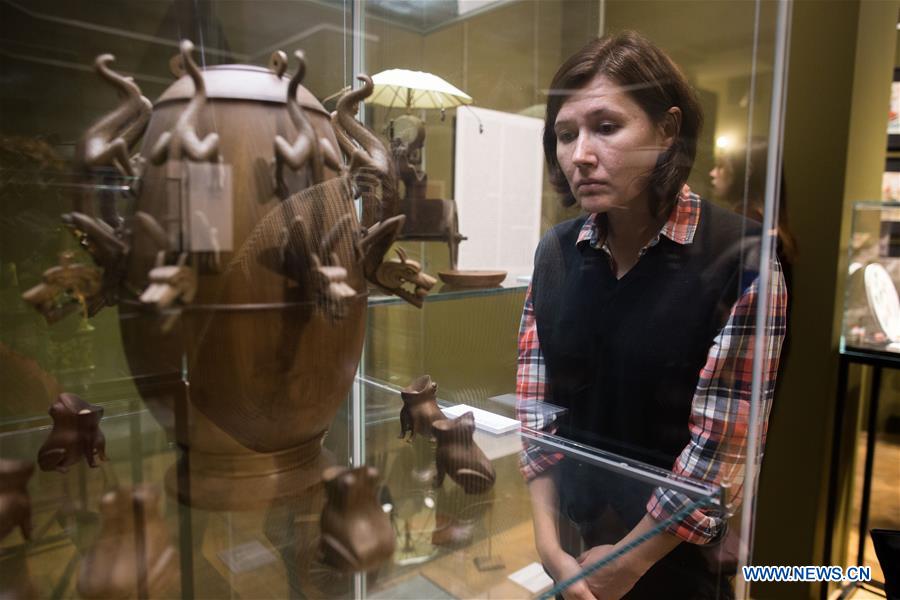
Seismograph
Introduction
A seismograph is an instrument used to detect and record seismic waves generated by earthquakes, volcanic eruptions, and other seismic sources. The device is integral to the study of seismology, which is the scientific study of earthquakes and the propagation of elastic waves through the Earth. Seismographs are critical for understanding the behavior of earthquakes and for advancing research in geophysics.
Historical Background
The earliest known seismograph was invented by the Chinese polymath Zhang Heng during the Eastern Han Dynasty (25-220). His device, known as the "Houfeng Didong Yi," was capable of roughly detecting the direction of distant earthquakes. It consisted of a large bronze vessel surrounded by eight dragon heads, each holding a ball. When seismic waves were detected, a mechanism inside the vessel would release one of the balls, indicating the direction of the tremor.
Development and Evolution
Over the centuries, the seismograph has undergone significant developments. The modern seismograph, which emerged in the 19th century, is more sophisticated and capable of providing precise measurements of seismic activity. These instruments typically consist of a mass attached to a fixed base. When the ground shakes, the base moves while the mass remains stationary, allowing the motion to be recorded. This setup is crucial for capturing the seismic waves generated during an earthquake.
Advancements in Technology
The 20th century saw further advancements in seismographic technology. Digital seismographs replaced analog models, providing more accurate data and easier analysis. The development of satellite technology has also enhanced the capabilities of seismographic networks, allowing for real-time monitoring of seismic activity across the globe.
The Zhangheng-1 Satellite
The Zhangheng-1 satellite, named after the ancient Chinese inventor, represents a modern application of seismography in space. Launched as part of China's efforts in earthquake research, the satellite is equipped with instruments designed to detect electromagnetic signals associated with seismic activity. These signals, which can be generated by the movement of tectonic plates and rocks below the Earth's surface, offer a new dimension to earthquake monitoring and prediction.
Applications and Uses
Seismographs are used extensively in various fields beyond earthquake research. They play a critical role in oil and gas exploration, helping to identify potential drilling sites by analyzing the Earth's subsurface structures. Seismographs are also employed in monitoring volcanic activity, studying the Earth’s interior, and even in detecting nuclear tests conducted underground.
Earthquake Prediction and Monitoring
While predicting earthquakes with absolute certainty remains a challenge, seismographs are indispensable for monitoring seismic activity and issuing warnings. Networks of seismographic stations around the world collect data that help scientists understand earthquake patterns and improve forecasting methods. Real-time data from seismographs enables early warning systems to alert populations in earthquake-prone areas, potentially saving lives and reducing damage.
Cultural and Historical Significance
The invention of the seismograph by Zhang Heng is a testament to ancient Chinese ingenuity and their contributions to science and technology. His seismoscope is celebrated as one of the earliest instruments for scientific observation and remains a significant achievement in the history of geophysics.








