Shehuo
Introduction
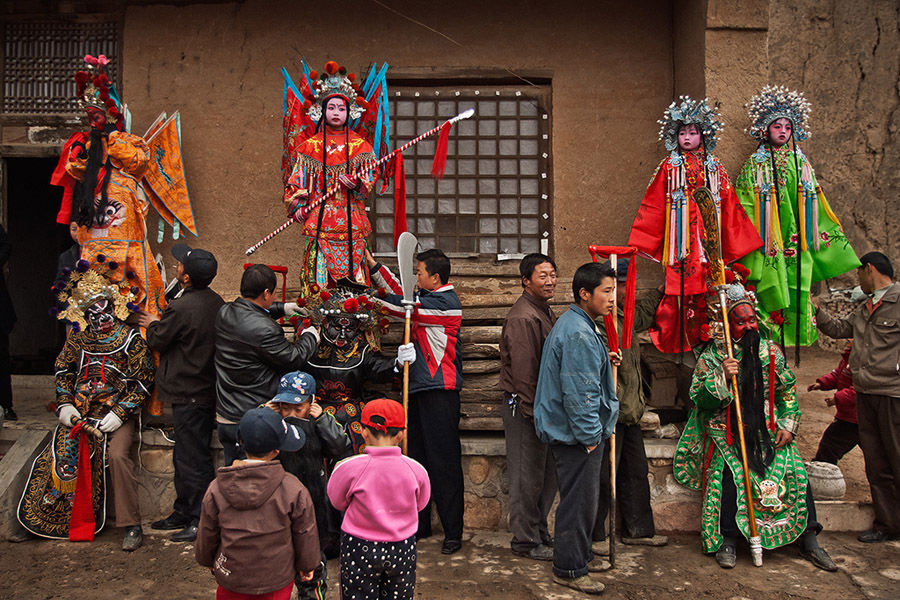
Shehuo, translated as "village fire," is a vibrant folk art form deeply rooted in Chinese cultural traditions. Celebrated primarily during the Spring Festival, Shehuo is a multifaceted performance art that includes various elements such as dragon and lion dances, stilts walking, and Yangko—a popular folk dance. Recognized as a "living fossil" of cultural heritage, Shehuo is particularly prominent in Longxian county in Northwest China's Shaanxi province. This ancient performing art is not only a form of entertainment but also a cultural symbol that embodies the spirit and traditions of the communities in which it is performed.
History
The origins of Shehuo can be traced back over 2,000 years, with its roots embedded in ancient rituals designed to worship the earth and deities associated with agriculture. These early performances were intended to ensure a bountiful harvest and bring prosperity to the community. The practice gained popularity during major Chinese dynasties like the Qin and Han (221 BC-AD 220), reaching its zenith in the Ming and Qing dynasties (1368-1911). Over time, Shehuo evolved from a spiritual ritual into a popular form of folk entertainment, showcasing the creativity and cultural richness of rural Chinese societies. Today, it remains a vital part of the cultural heritage in regions like Shaanxi and Gansu, where it continues to be performed with great enthusiasm during festive occasions.
Characteristics
Shehuo performances are notable for their variety and exuberance. The art form encompasses a wide range of traditional Chinese folk elements, making it a colorful and dynamic spectacle.
Shehuo boasts a diversity of forms and styles, each with unique characteristics. Some of the most popular elements include dragon and lion dances, which symbolize strength and good fortune, and Yangko, a lively folk dance performed in vibrant costumes. Stilt walking is another common feature, where performers don wooden stilts to portray characters from historical narratives and folklore. Additionally, "blood shehuo," a unique variant in Longxian, focuses on themes of moral justice with performances that emphasize the punishment of evil and the promotion of goodness.
Costumes and props play a vital role in Shehuo performances, enhancing the visual appeal and authenticity of the show. Performers often wear elaborate costumes that reflect the characters they portray, from mythical figures to historical icons. Props such as model horses made of bamboo and land-boats are used to set the stage for various scenes. These elements, combined with vibrant makeup and intricate choreography, contribute to the overall spectacle and storytelling of Shehuo, captivating audiences with their creative expression.
Regional Variations
Shehuo displays a remarkable range of regional variations, each reflecting the local customs and traditions of the areas where it is performed. In Shaanxi province, the art form is especially vibrant, with distinct styles like "blood shehuo" and "cart shehuo" offering unique interpretations. In Gansu, Shehuo incorporates elements like shadow puppetry and local opera, showcasing the adaptability of the art form to different cultural contexts. Each region adds its flavor to Shehuo, creating a tapestry of performances that highlight the diversity and richness of China's cultural landscape.
Performance Practices
The performance practices of Shehuo are deeply rooted in tradition and community participation. Performances often take place in open spaces like village squares or streets, where performers and audiences alike can engage with the spectacle. Participants are typically local villagers, ranging from children to the elderly, who contribute their skills and enthusiasm to the event. Shehuo is characterized by its inclusive nature, with performances that are open to all members of the community. The preparation for Shehuo is an extensive process, involving rehearsals, costume-making, and the crafting of props, all of which foster a sense of unity and collaboration among participants.
Shehuo in Popular Culture
Shehuo's influence extends beyond traditional performances, finding its way into various aspects of popular culture. It has inspired visual artists, filmmakers, and musicians who draw upon its rich cultural motifs. Exhibitions, like those featuring the works of photographers and painters, often highlight the vibrant imagery and dynamic energy of Shehuo. The art form has also been featured in television programs and cultural festivals, showcasing its enduring popularity and cultural significance.








