Silk
Introduction
Silk is a luxurious and highly coveted natural fiber known for its shimmering appearance and smooth texture. Originating from ancient China, silk is produced by silkworms during the process of making their cocoons. The fabric is distinguished by its elegance and has been a staple in high-end fashion and home furnishings for centuries. It is celebrated for its unique properties, such as its ability to regulate temperature, making it ideal for both warm and cold climates. The allure of silk extends beyond its physical characteristics; it holds a significant place in history and culture, symbolizing wealth and sophistication across various societies.
History
Origins
The history of silk dates back thousands of years, with origins traced to ancient China. The legendary tale of its discovery credits Empress Leizu of the Yellow Emperor's time, who is said to have observed silkworms spinning cocoons while enjoying tea under a mulberry tree. Recognizing the potential of these threads, she reportedly began the cultivation of silkworms and the weaving of silk fabric. This marked the beginning of sericulture, the practice of silk farming, which became a closely guarded secret in China for many centuries. Silk quickly became an integral part of Chinese culture and economy, revered for its beauty and utility.
Spread and Development
Silk's journey from a Chinese secret to a global commodity is a testament to its enduring appeal. The Silk Road, an ancient network of trade routes, played a pivotal role in spreading silk throughout Asia, the Middle East, and into Europe. As traders moved along these routes, they exchanged silk for spices, precious stones, and other goods, facilitating cultural exchanges and interactions. The demand for silk grew exponentially, leading to its production in regions beyond China, such as India, Japan, and the Middle East. Over time, advancements in sericulture and weaving techniques allowed for the diversification of silk products and the expansion of its applications.
Production
Cultivation of Silkworms
The production of silk begins with the cultivation of silkworms, specifically the larvae of the Bombyx mori moth. Silkworms are reared in controlled environments to ensure optimal growth and health. Their primary diet consists of mulberry leaves, which are essential for producing high-quality silk. Once the larvae mature, they spin cocoons using a fibroin protein secreted from their salivary glands. Each cocoon is made from a single, continuous silk thread that can measure over a thousand meters in length. After the cocoons are harvested, the silk threads are carefully unwound in a process known as reeling, which prepares them for weaving.
Silk Weaving Techniques
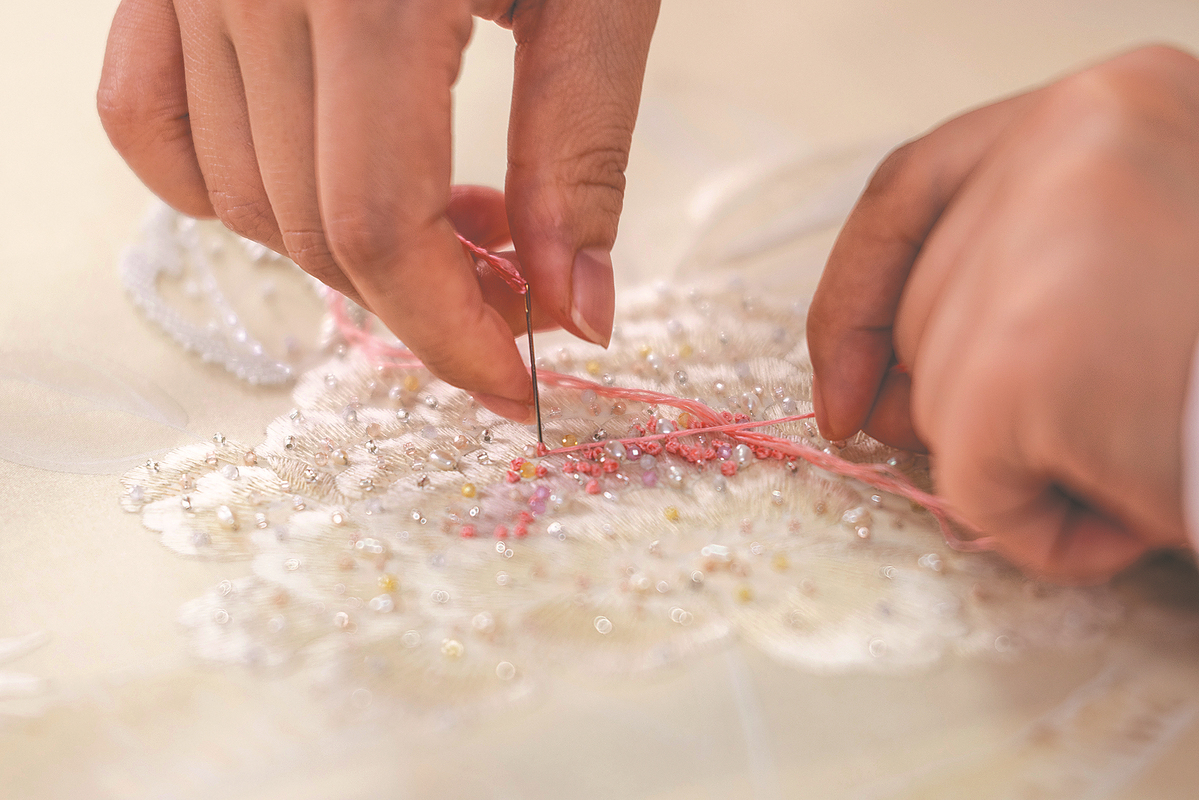
Silk weaving is an intricate art that has evolved over centuries. Traditional methods often involve hand looms, where skilled artisans meticulously interlace silk threads to create various patterns and textures. Techniques such as brocade, satin, and chiffon result in distinctive weaves, each with its unique feel and appearance. Modern silk production may employ mechanized looms, which increase efficiency and consistency while preserving the quality of the fabric. The weaving process can also incorporate dyes and embroidery, enhancing the visual appeal and cultural significance of the silk products.
Physical Properties
Silk is renowned for its unparalleled physical properties. Its natural sheen and soft texture make it a preferred choice for luxury garments and furnishings. The fiber's structure allows it to reflect light at multiple angles, giving silk its characteristic luster. Silk is also strong and durable, despite its delicate appearance, and has a natural elasticity that resists wrinkling. Additionally, silk is a superb insulator, providing warmth in cold weather and a cooling effect in hot climates. These qualities, combined with its hypoallergenic nature, make silk a versatile and desirable material.
Cultural Significance
Role in Art and Fashion
Silk has played a significant role in art and fashion throughout history. Its luxurious nature has made it a symbol of wealth and status, often used in high-end fashion and design. In traditional Chinese culture, silk was used for intricate embroidery in clothing, tapestries, and banners, reflecting the wearer's social status. In Europe, silk became a staple in royal courts, with elaborate garments and accessories crafted for nobility. The fabric's versatility has allowed designers and artists worldwide to experiment with colors, textures, and patterns, leading to innovative creations that continue to influence fashion trends.
Influence on Trade and Economy
The historical significance of silk extends beyond aesthetics, profoundly impacting trade and economies. The Silk Road facilitated the exchange of silk for goods like spices and jewels, driving economic growth across continents. Silk trade contributed to the rise of powerful city-states and empires, fostering cultural and technological exchanges. In modern times, silk remains a valuable commodity, with major producers like China, India, and Thailand exporting vast quantities globally. The fabric's production supports numerous industries, from agriculture to fashion, playing a crucial role in the economies of silk-producing regions.








