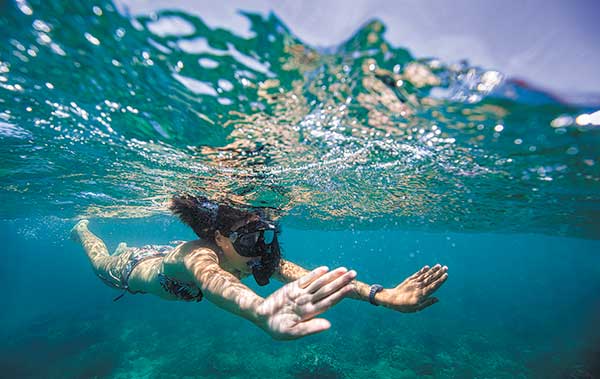
Snorkeling
Introduction
Snorkeling is a popular recreational activity that allows individuals to observe underwater life in a natural setting. It involves swimming on the surface of the water while equipped with a diving mask, a snorkel, and often swim fins. Unlike scuba diving, snorkeling does not require extensive training or equipment, making it accessible to people of all ages and skill levels.
Popular Destinations
Snorkeling is especially prevalent in tropical regions where the water is warm and clear, providing ideal conditions for viewing marine life. Some of the world's top snorkeling destinations include the Great Barrier Reef in Australia, Hanauma Bay in Hawaii, and the Maldives. Each location offers a unique underwater ecosystem, featuring coral reefs, colorful fish, and various sea creatures.
Hainan province in China is also emerging as a favored destination for snorkeling enthusiasts. The island's warm climate and rich marine biodiversity make it an attractive spot for those looking to explore the underwater world. Sanya, in particular, is known for its vibrant coral reefs and a wide array of marine life, providing a thrilling experience for snorkelers.
Equipment and Safety
The essential equipment for snorkeling includes a mask and snorkel, which allow the snorkeler to see clearly underwater and breathe while floating on the surface. Swim fins are often used to enhance mobility in the water, and a wetsuit may be worn for added buoyancy and protection against cooler water temperatures.
Safety is a crucial consideration when snorkeling. It is important to choose locations with calm waters and to be aware of the tides and currents. Beginners are advised to snorkel under the guidance of an instructor or experienced snorkeler. It's also essential to be mindful of the marine environment; touching or stepping on coral reefs can cause damage to these delicate ecosystems.
Environmental Impact
Snorkeling, when done responsibly, has a minimal impact on marine environments. However, concerns arise when large numbers of snorkelers visit fragile ecosystems. Sunscreen, for example, can contain chemicals that are harmful to coral reefs, prompting many destinations to promote the use of reef-safe sunscreens. Additionally, educating tourists about the importance of not touching or disturbing marine life is key to preserving the natural beauty of snorkeling sites.
Cultural and Economic Importance
Snorkeling is not only a recreational activity but also a significant contributor to local economies in coastal areas. It attracts millions of tourists annually, supporting businesses such as tour operators, equipment rental shops, and hospitality services. Moreover, snorkeling can foster a deeper appreciation for marine conservation, as individuals witness the beauty and diversity of underwater ecosystems firsthand.
In places like Hainan, the growth of snorkeling tourism has led to increased awareness and efforts to protect the marine environment. Initiatives such as coral reef restoration projects and community-led conservation programs play an essential role in ensuring that these vibrant underwater landscapes are preserved for future generations.








