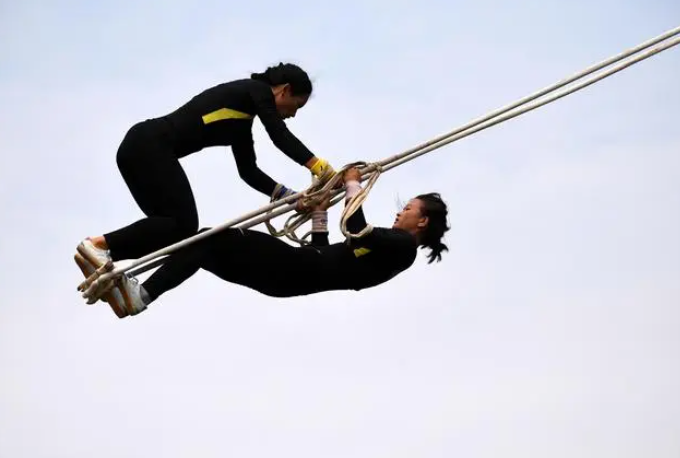
Swinging
Introduction
Swinging, known as "荡秋千" in Chinese, is a traditional folk sport with a history spanning millennia. Embraced by individuals of all ages, from children to adults, swinging holds a special place in cultural celebrations and festivities. More than just a recreational pursuit, swinging embodies a profound symbol of cultural heritage and communal unity.
Cultural Significance
Swinging bears immense cultural significance across diverse ethnic groups in China. Adapted into the customs and traditions of numerous ethnic groups, swinging reflects the vibrant tapestry of China's cultural heritage and traditions.
Gameplay
Swinging manifests in a myriad of forms and styles, each characterized by unique rules and techniques. Popular variations include:
Solo and Double Swinging: Individuals can swing alone or with a partner, with competitive events often featured during festivals.
Touch Bell Competition: Certain competitions incorporate the challenge of touching or ringing a bell suspended at a specific height while swinging, demanding skill and courage.
High Swinging: Competitions assess the height achieved during swinging, with higher swings garnering better scores.
Health Benefits
Beyond its cultural significance, swinging offers numerous health benefits. It serves as a form of exercise that enhances balance, coordination, and muscle strength. Additionally, swinging is believed to have therapeutic effects, aiding in stress relief and overall well-being. Photo Gallery(3 pictures)CategoriesSports and GamesTagTraditional SportsRelatedRope skippingSprintingCatalogue1. Introduction2. Cultural Significance3. Gameplay 4. Health Benefits- - - []








