Taoism
Introduction
Taoism, also known as Daoism, is a philosophical and religious tradition that originates from China, emphasizing living in harmony with the Tao (道), which translates to "the Way" or "the Path." Formulated by the ancient Chinese philosopher Laozi over 2,500 years ago, Taoism underlines the importance of balance and the unity of opposites, such as dark and light, male and female, and good and evil. Taoism has significantly impacted Chinese culture and values, shaping the spirituality and daily lives of millions. This philosophy and religion advocate simplicity, humility, and harmony with nature, encouraging individuals to align themselves with the natural order of the universe.
Historical Background
The roots of Taoism are deeply embedded in the ancient folk beliefs and shamanistic practices of rural China from the Shang Dynasty (c. 16th century-11th century BC). During the late Han Dynasty (206 BC-AD 220), Taoism evolved as it integrated the concept of Yin and Yang, which represents the interdependence of opposites. The philosophy underwent religious reform in the Northern and Southern Dynasties (420-581), further establishing itself as a significant religious and philosophical movement. Taoism is recognized as a major indigenous China's religion, characterized by its rich history and its influence on Chinese society and culture.
Philosophical Tenets
Central to Taoism is the concept of "wu wei," which means effortless action or non-action. It suggests that individuals should align themselves with the natural flow of the universe, avoiding unnecessary force or intervention. Taoism teaches that human beings should live in harmony with nature, embracing simplicity, spontaneity, and humility. The philosophy also emphasizes the importance of inner peace and balance, guiding individuals to find happiness and fulfillment through understanding and respecting the natural world.
Influence and Practices
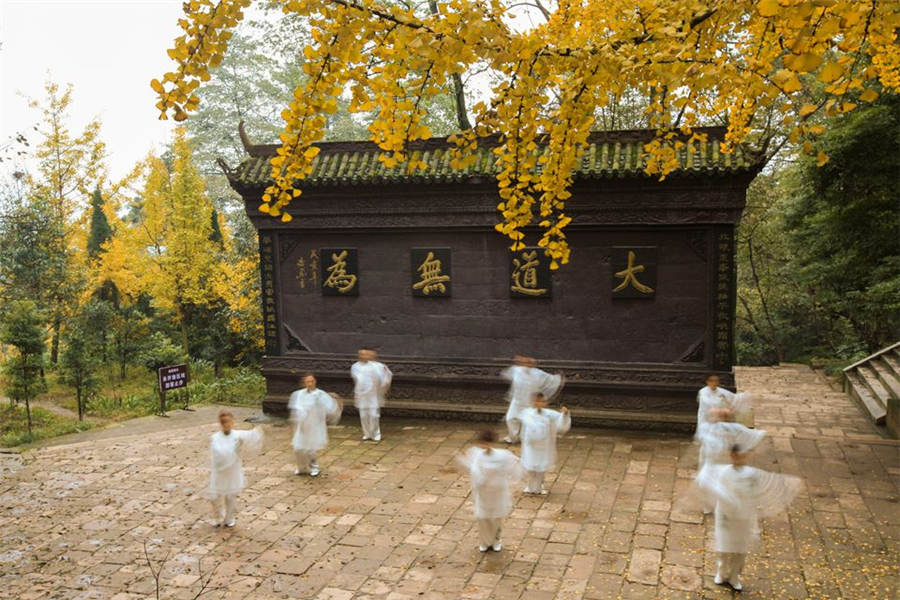
Taoism has influenced various facets of Chinese culture, including art, literature, medicine, and martial arts. Practices such as tai chi, qigong, and various martial arts have roots in Taoist principles, promoting physical health, mental clarity, and spiritual growth. These practices are not only popular in China but have also gained followers worldwide. Taoist rituals often involve ceremonies, meditation, and the use of talismans to connect with the divine and maintain spiritual balance.
Notable Sites and Cultural Impact
Qingcheng Mountain, located in Dujiangyan, Chengdu, is one of the cradles of Taoism and a UNESCO World Cultural Heritage site. It is famed for its temples and religious sites dedicated to Taoism and is known as the place where the philosopher Zhang Ling founded the doctrine of Chinese Taoism. Similarly, Wudang Mountain in Hubei province is another significant site, known for its ancient palaces, temples, and Taoist buildings. These mountains serve as centers for Taoist learning and practice, attracting scholars, practitioners, and tourists interested in exploring its teachings and landscape.
Taoism in Modern Times
In modern times, Taoist philosophy continues to influence various global cultural and spiritual practices. The teachings of Laozi, such as those found in the "Tao Te Ching," remain relevant, offering guidance on humility, compassion, and living harmoniously with others and the environment. Taoism is celebrated for its holistic perspective, which encourages personal well-being and community harmony. The philosophy's adaptability and timeless wisdom make it appealing to diverse cultural contexts worldwide.
Conclusion
Taoism is a profound and enduring tradition that contributes significantly to the cultural and spiritual heritage of humanity. Through its principles and practices, it offers insights into the balance and interconnectedness of life, promoting a way of living that is in tune with the natural world. As Taoism continues to be explored, studied, and practiced globally, its teachings provide valuable lessons in harmony, balance, and understanding, resonating with individuals seeking peace and wisdom in an increasingly complex world.








