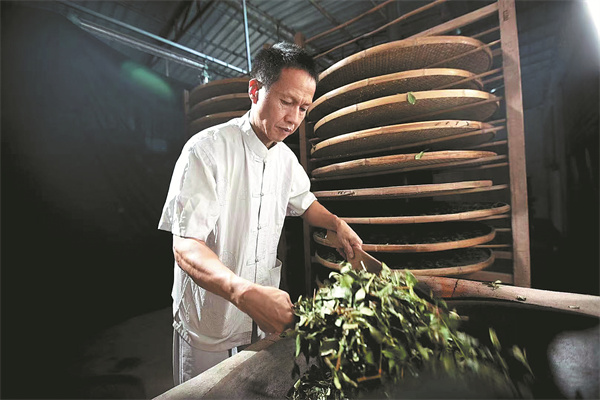
Tieguanyin
Introduction
Tieguanyin is a renowned variety of Chinese oolong tea, originating from Anxi county in Fujian province, China. As one of the premium types of oolong tea, Tieguanyin is celebrated for its unique aroma and flavor profile, distinguishing it from other teas. The name "Tieguanyin" translates to "Iron Goddess of Mercy", reflective of its cultural and mythological significance in Chinese heritage. This tea is half-fermented, placing it between green and black teas in terms of oxidation. Tieguanyin is known for its floral fragrance and rich, mellow taste, often described as orchid-like, with a sweet undertone. Over time, Tieguanyin has gained international acclaim, contributing to its global reach and popularity among tea enthusiasts.
History
The history of Tieguanyin is deeply rooted in Chinese tea culture, with origins tracing back to the 18th century. The tea's name is derived from a legend involving a devout farmer who discovered a tea plant with exceptional qualities near a temple dedicated to Guanyin, the Goddess of Mercy. The farmer attributed the plant's discovery to the goddess and thus named it Tieguanyin. This narrative not only highlights the tea's cultural significance but also reflects the spiritual and mythical dimensions associated with its origin. Historically, Tieguanyin played a crucial role in the socio-economic development of Anxi county, with cultivation and trade forming a vital part of local livelihoods. Over the centuries, Tieguanyin has evolved in its production techniques and has been recognized as a symbol of Chinese tea heritage, celebrated for its artistry and tradition.
Characteristics
Tieguanyin tea is distinguished by its unique characteristics, which set it apart from other types of tea. The appearance of Tieguanyin leaves is notable for their curled or rolled structure, which unfurls during brewing to reveal vibrant green hues. The tea is cherished for its floral fragrance, often reminiscent of orchids, which is both subtle and lingering. The flavor profile of Tieguanyin is a harmonious blend of floral, sweet, and slightly fruity notes, with a smooth and refreshing finish. The tea's liquor is typically clear and golden-yellow, contributing to its aesthetic appeal. Tieguanyin's complexity and balance make it a favorite among connoisseurs, who appreciate its delicate nuances and enduring taste.
Varieties
Tieguanyin tea is available in several varieties, each with distinct characteristics influenced by factors such as processing methods, geographical conditions, and harvest seasons. The primary distinctions in Tieguanyin varieties arise from the level of oxidation, ranging from lightly oxidized to more heavily oxidized forms. Some of the most popular varieties include:
-
Traditional Tieguanyin: Known for its rich, roasted flavor and darker color, this variety undergoes extensive oxidation and roasting.
-
Modern Green Tieguanyin: Less oxidized than the traditional version, it retains a greener appearance and a fresher, floral taste.
-
Aged Tieguanyin: This variety is stored and aged for several years, gaining a complex flavor profile with woody and earthy notes.
The regional terroir, including soil quality and climate conditions, also significantly affects the flavor and aroma of Tieguanyin, making each batch unique.
Production
Cultivation
The cultivation of Tieguanyin involves selecting the ideal location with favorable climatic and soil conditions. Anxi county, where Tieguanyin originated, provides the perfect environment for tea cultivation with its mild climate, abundant rainfall, and rich, fertile soil. Tea gardens are typically situated on mountain slopes, allowing the plants to benefit from optimal sunlight exposure and drainage. The cultivation process includes planting, nurturing, and maintaining the tea bushes, ensuring they receive adequate care throughout the year.
Processing
The processing of Tieguanyin tea is intricate and divided into several key stages that contribute to its unique flavor and aroma. These stages include:
Withering: Freshly picked tea leaves are spread out to wither under sunlight or in a controlled environment, reducing their moisture content.
- Tossing: This step involves gently tossing the leaves to bruise their edges, promoting oxidation and the development of flavor compounds.
- Oxidation: The oxidized leaves undergo a controlled fermentation process, which is crucial for developing the tea's characteristic aroma and taste.
- Fixation: The oxidation process is halted by applying heat, preserving the desired flavor profile of the leaves.
- Rolling: The leaves are rolled to achieve their distinctive curled shape, helping to release essential oils.
- Drying: Finally, the leaves are dried to remove any remaining moisture, ensuring the tea's shelf stability.
These complex processing steps require precision and expertise to produce high-quality Tieguanyin tea.
Brewing Methods
The brewing of Tieguanyin tea is an art that enhances its flavor and aroma, allowing tea drinkers to fully appreciate its qualities. The kung fu tea brewing method is commonly used, which involves using small teapots or gaiwans to brew multiple infusions. The process begins by rinsing the tea leaves with hot water to awaken their aroma. Then, a small amount of tea is added to the vessel, and hot water is poured over it, allowing the tea to steep for a short duration, typically under a minute. The tea is then poured into small cups, and the leaves can be re-infused multiple times, with each infusion revealing new layers of flavor. The precise control of water temperature, steeping time, and tea-to-water ratio are essential to bring out the best in Tieguanyin tea. This method not only maximizes the tea's taste but also offers a meditative and immersive tea-drinking experience.
Cultural Significance
Tieguanyin holds substantial cultural significance in Chinese tea culture and beyond. It embodies the rich traditions of Chinese tea craftsmanship and is often associated with hospitality and social gatherings. In many Chinese households, serving Tieguanyin is a customary gesture of warmth and respect to guests. The tea also plays a role in various cultural ceremonies and rituals, symbolizing peace, mindfulness, and spiritual connections. Tieguanyin's cultural importance extends to its recognition as a national intangible cultural heritage, showcasing the artistry and historical legacy of Chinese tea-making. Moreover, Tieguanyin is a staple in the practice of kung fu tea ceremonies, where its preparation and serving are elevated to an art form. Through these cultural practices, Tieguanyin continues to preserve and promote the rich heritage of Chinese tea culture.
Popularity and Global Reach
Tieguanyin has gained immense popularity both within China and internationally, becoming a beloved choice among tea enthusiasts and connoisseurs. Its unique flavor profile, combined with its cultural and historical significance, has contributed to its widespread appreciation. Tieguanyin is a staple in tea houses and cultural events across Asia, and its appeal has extended to Western markets, where it is often featured in specialty tea shops and upscale dining establishments. The increasing global interest in Chinese tea culture has further propelled Tieguanyin into the spotlight, as consumers seek authentic and high-quality tea experiences. Efforts to promote Tieguanyin, such as international tea festivals and competitions, have also played a role in raising awareness and expanding its reach. As a result, Tieguanyin continues to thrive as a symbol of Chinese tea excellence and a favorite among tea lovers worldwide.








