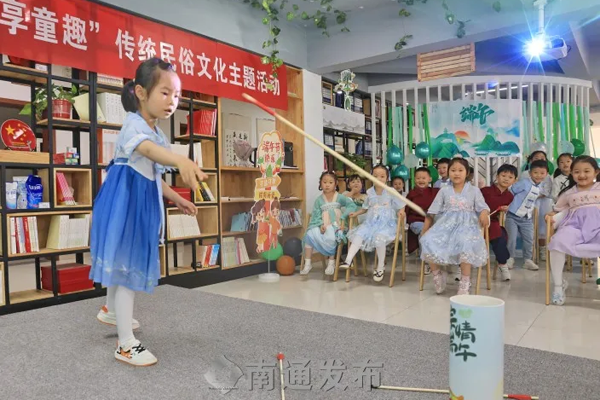
Touhu
Introduction
Touhu, an ancient Chinese game, is a traditional activity that involves throwing arrows into a wine pitcher. This game dates back to the Zhou Dynasty (c.11th century-256 BC) and has been a part of Chinese culture for centuries. Known for its simple yet challenging gameplay, Touhu has been enjoyed across various dynasties and remains popular in modern times as a cultural heritage activity. The game is often associated with traditional Chinese festivals and ceremonies, where it serves as both entertainment and a means of honoring historical customs. Touhu is a testament to the rich tapestry of Chinese history, reflecting the nation's long-standing appreciation for games that combine skill, precision, and social interaction.
History
Touhu's origins can be traced back to the Zhou Dynasty, making it one of the oldest games in Chinese history. Historical records suggest that the game was popular among the aristocracy and eventually spread to the common people. During the Tang Dynasty (618-907), Touhu became a widespread recreational activity, often played during festivals and social gatherings. It was considered not only a pastime but also a means of demonstrating one's dexterity and elegance.
The game continued to evolve through the Song Dynasty (960-1279), where it was incorporated into more formal settings and became a part of the cultural practices during significant events. Over time, variations of Touhu emerged, adapting to different regional cultures and available materials. Despite the changes in its form and popularity, the essence of Touhu remained intact, symbolizing the importance of cultural preservation and community bonding.
Rules and Gameplay
Equipment
Touhu requires simple equipment to play, consisting primarily of arrows and a pitcher. Traditionally, the arrows are made of wood and feature a pointed end, though they are not designed for piercing. The pitcher, usually made of ceramic or metal, serves as the target for the arrows. Variations in the size and design of the pitcher can influence the difficulty level of the game, allowing for a range of skill levels among players. In some traditional settings, decorative pitchers are used to enhance the aesthetic appeal of the game.
Scoring
The objective of Touhu is to successfully throw the arrows into the pitcher from a set distance. Players take turns attempting to land as many arrows as possible inside the pitcher. Scoring in Touhu can vary depending on the specific rules adopted by the participants. Generally, points are awarded for each arrow that lands inside the pitcher, with additional points for hitting specific targets marked on the pitcher itself. In some variations, penalties are applied for arrows that miss the pitcher entirely.
The game continues until a predetermined score is reached or a set number of rounds have been completed. Touhu emphasizes precision and control, requiring players to carefully judge the distance and angle of their throws.
Cultural Significance
Touhu holds a significant place in Chinese cultural heritage, serving as more than just a game. It is deeply intertwined with traditional customs and festivals, such as the Dragon Boat Festival and Mid-Autumn Festival. During these celebrations, Touhu is played as a way to honor historical customs and bring communities together. The game is often accompanied by traditional music and ceremonies, enhancing its role as a cultural artifact.
In addition to its recreational value, Touhu is seen as an educational tool that teaches participants about historical practices and social etiquette. It reflects the values of precision, discipline, and respect for tradition, which are key components of Chinese culture. The enduring popularity of Touhu in modern times highlights the importance of preserving traditional games as a means of cultural expression and identity.
Touhu in Modern Times
In recent years, Touhu has experienced a resurgence in popularity as part of a broader revival of traditional Chinese culture. Events and festivals across China have incorporated Touhu into their programs, attracting participants of all ages. This renewed interest in Touhu is driven by a growing appreciation for cultural heritage and a desire to reconnect with historical practices.
Modern Touhu events often emphasize community involvement and education, providing opportunities for people to learn about the game's history and significance. These events serve as a platform for cultural exchange, allowing participants to experience the richness of traditional Chinese games in a contemporary context.
As China continues to celebrate its cultural legacy, Touhu remains a vital part of the nation's intangible cultural heritage, bridging the past and present through the timeless joy of play.








