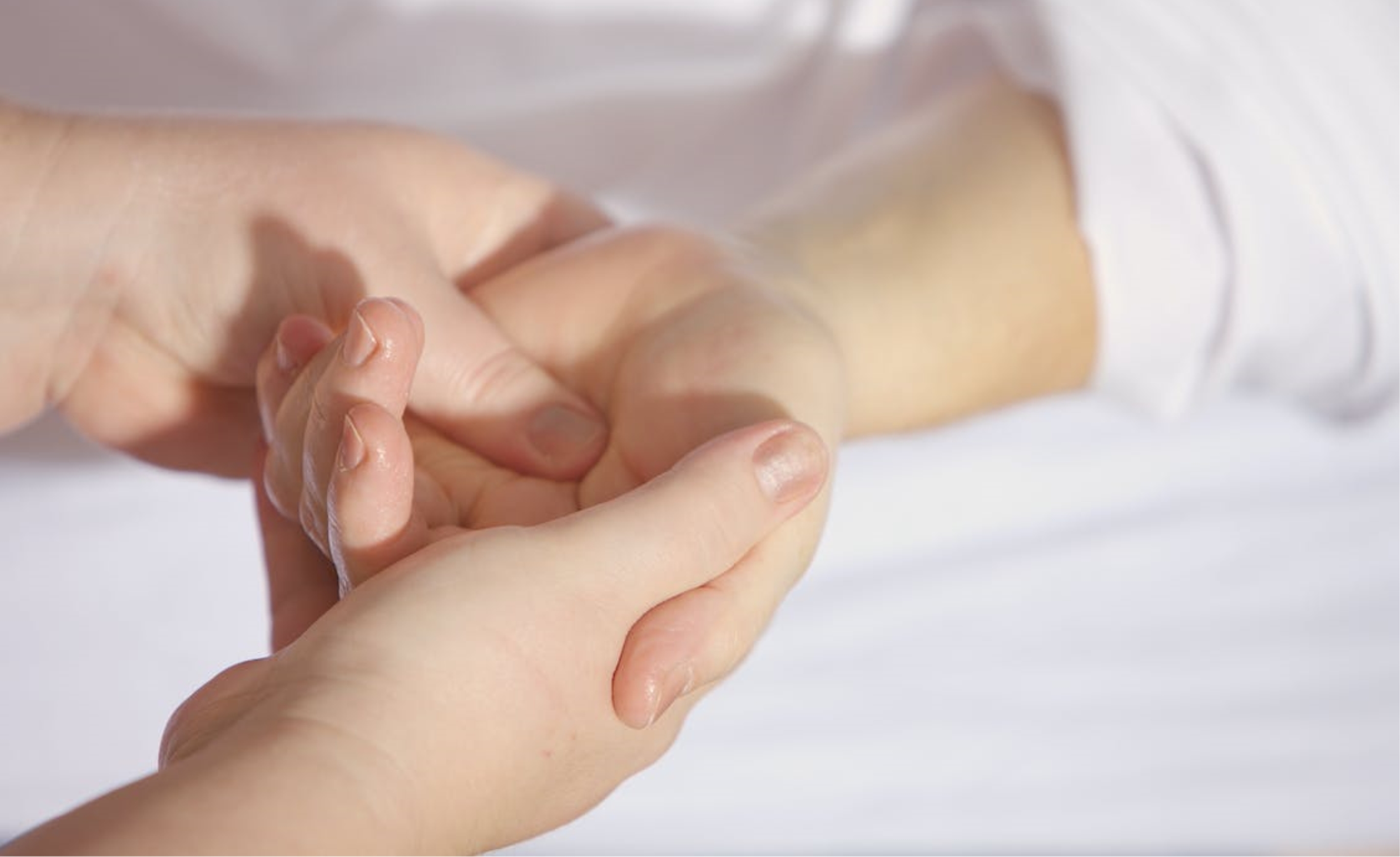
Tuina
Overview
Tuina (推拿), a form of traditional Chinese therapeutic massage, is a crucial component of Traditional Chinese Medicine (TCM). It involves the application of various manual techniques to manipulate the body’s soft tissue or acupressure points to harmonize the body's energy flows, known as "qi." Unlike typical massage that primarily targets the body's muscles and tissues, tuina aims to treat ailments related to qi, blood flow, and internal organs, providing relief from various conditions.
Historical Context
Tuina has its origins in ancient China and is one of the oldest known forms of bodywork. The practice developed over thousands of years, initially stemming from a primitive society that held a deep reverence for nature and the human body's connection to it. By the Spring and Autumn (770-476 BC) and Warring States (475 -221 BC) periods, a rudimentary medical theoretical system, including tuina, was already established. Over successive dynasties, Chinese medicine continued to evolve, with tuina becoming an integral practice within this system.
Therapeutic Techniques and Applications
Tuina utilizes a variety of techniques such as kneading, rolling, pressing, and rubbing to stimulate the body’s meridians and improve the flow of qi. It is particularly effective in addressing musculoskeletal issues, such as back and neck pain, and has demonstrated efficacy in treating internal ailments and complex diseases like stunted growth in children. By focusing on the body's meridians and acupuncture points, tuina goes beyond the superficial layers of the skin and muscles to potentially affect deeper physiological systems.
Cultural and Modern Integration
In contemporary settings, tuina continues to be widely practiced both in China and globally. It is often integrated into wellness and healthcare programs, providing a non-invasive solution for various health issues. At institutions like Zhejiang Chinese Medical University, practitioners and students actively promote tuina and other TCM practices, emphasizing cultural exchange and the therapeutic benefits of traditional medicine. This is illustrated by the Exhibition Hall of Traditional Chinese Medicine Culture at the Main Media Centre of the Asian Games, where tuina is demonstrated as part of cultural initiatives to introduce TCM to international audiences.
Educational and Professional Development
Aspiring tuina practitioners often undergo rigorous training, which includes comprehensive studies in TCM theories and substantial practical experience. Educational programs, such as those offered at Beijing University of Chinese Medicine, emphasize both theoretical knowledge and hands-on practice. Students often start by applying tuina techniques on themselves and family members before advancing to clinical settings. International students increasingly pursue TCM qualifications, reflecting a growing global interest in this traditional practice. Article reference1. Global rise of TCM. chinadaily.com.cn. 20242. Just what the doctor ordered. chinadaily.com.cn. 2023Photo Gallery(1 picture)CategoriesLifestyleTagHealth and WellnessRelatedTraditional Chinese MedicineCatalogue1. Overview2. Historical Context3. Therapeutic Techniques and Applications4. Cultural and Modern Integration5. Educational and Professional Development- - - []








