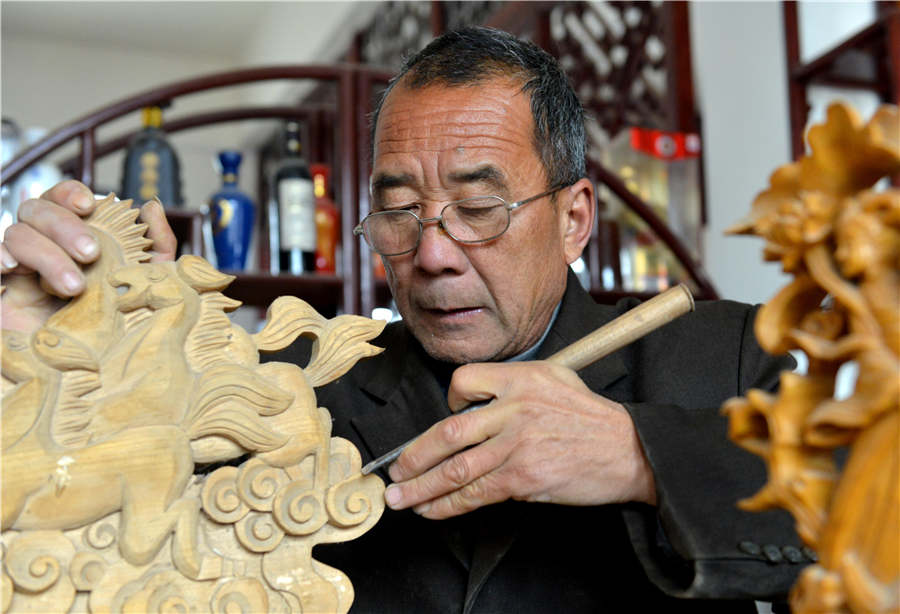
Woodcarving
Overview
Woodcarving is an ancient craft and art form involving the shaping and sculpting of wood to create intricate designs and figures. This technique has been utilized worldwide for both functional purposes and decorative arts. The art of woodcarving has a rich history and remains a significant cultural practice, embodying both traditional skills and modern innovations.
Historical Background
Woodcarving has roots that extend back thousands of years and can be found in various cultures across the globe. Each culture has developed unique styles and techniques, influenced by local traditions, available materials and cultural beliefs.
In China, woodcarving is a traditional craft with significant historical value. Chinese woodcarvers have mastered various techniques, creating objects ranging from functional items to intricate sculptures and architectural elements. Chinese woodcarving is noted for its complexity and detailed craftsmanship, often incorporating elements of symbolism and storytelling.
Techniques and Materials
Woodcarving involves several techniques, including relief carving, chip carving and sculpture in the round. The choice of wood is crucial, as different woods offer varying textures and workability. Commonly used woods include sandalwood, rosewood, boxwood and thuja wood, each chosen for its durability and aesthetic qualities.
Craftsmen often employ a variety of tools such as chisels, knives and gouges to achieve desired effects. Modern artisans might integrate power tools, although traditional hand tools are still valued for their precision and the unique character they impart to the work.
Cultural Significance
In regions like Chaoshan in Guangdong, woodcarving is an integral part of cultural heritage, known for its intricate designs and vibrant colors. Traditional Chaoshan woodcarving often adorns furniture, architectural elements and religious artifacts, serving both aesthetic and symbolic functions.
Moreover, woodcarving is integral to the intangible cultural heritage of various ethnic groups in China, reflecting their histories, philosophies and everyday life. For instance, the Zhuang ethnic group incorporates traditional patterns and motifs, which are highly sought after by both locals and tourists.
Contemporary Developments
Today, woodcarving continues to evolve with artists exploring new themes and techniques. Contemporary woodcarvers like Zhou Ning in Shandong province embrace the art as a form of personal expression and cultural commentary. Zhou's works are recognized for their raw, unpolished styles, emphasizing the natural beauty and inherent characteristics of the wood.
In the city of Dongyang in Zhejiang province, woodcarving has been elevated to an art form with international recognition. Artists like Lu Guangzheng have showcased traditional Dongyang woodcarving on global stages, highlighting its intricate craftsmanship and cultural depth.
Woodcarving has also adapted to the demands of modern markets, with products ranging from high-end furniture and home decor to smaller ornamental pieces. The rise of exhibitions and cultural events has further facilitated the exchange of techniques and styles, preserving and promoting the art form for future generations. Article reference1. Henan craftsman makes vivid woodcarvings. chinadaily.com.cn. 20182. Rugao craftsman devoted to woodcarving for decades. en.nantong.gov.cn. 20213. Rugao woodcarving wins provincial award. en.nantong.gov.cn. 2020Photo Gallery(16 pictures)CategoriesCultural HeritageTagChinese SculptureIntangible Cultural HeritageRelatedTeochew WoodcarvingJingpo Ethnic GroupCatalogue1. Overview2. Historical Background3. Techniques and Materials4. Cultural Significance5. Contemporary Developments- - - []








