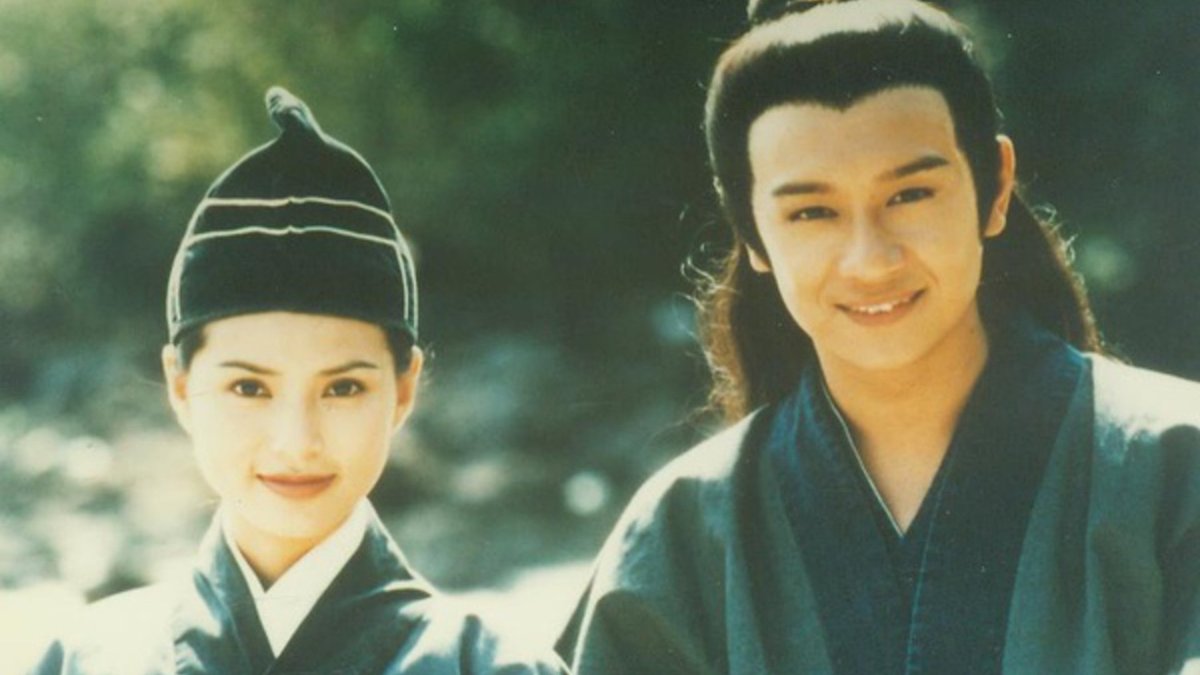
Wuxia
Overview
Wuxia, a distinctive genre in Chinese literature, centers around martial arts and the chivalrous adventures of heroic swordsmen set in ancient China. This genre has captured the imaginations of readers and viewers for decades, creating a rich tapestry of mythological adventures that reflect various philosophical and cultural elements unique to Chinese tradition. The term "wuxia" translates to "martial heroes," and it forms a complex narrative world where martial arts practitioners, bound by a strict code of honor, embark on quests to uphold justice and fight against evil.
Historical and Cultural Context
Wuxia literature dates back to ancient Chinese traditions, with its roots deeply embedded in folklore and history. The narratives often incorporate elements of Taoism, Buddhism, and Confucianism, reflecting the cultural values of loyalty, honor, and righteousness. While wuxia stories gained significant popularity in written form during the Ming and Qing dynasties (1368-1911), their origins can be traced back to earlier periods. Throughout the 20th century, wuxia underwent a significant transformation, adapting to modern literary forms and gaining widespread popularity in novels, films, television, and video games.
Key Contributors and Works
Louis Cha Leung-yung, known by his pen name Jin Yong, is one of the most renowned authors of wuxia literature. His works, including The Legend of the Condor Heroes and Demi-Gods and Semi-Devils, have been adapted into numerous films, TV series, and even video games, solidifying his status as a cultural icon. Jin Yong's storytelling is noted for its intricate plots, well-developed characters, and the seamless blending of historical events with fictional narratives. Other significant authors in the genre include Gu Long and Liang Yusheng, whose contributions have also left an indelible mark on the genre.
Global Influence and Adaptations
The wuxia genre has transcended cultural boundaries, captivating audiences worldwide. With the advent of globalization and digital media, wuxia stories have been adapted into multiple languages and formats, making them accessible to a broader audience. Websites like Wuxiaworld.com, founded by Chinese American Lai Jingping, have played a pivotal role in translating these stories for international readers. The site's success is a testament to the genre's universal appeal, showcasing its ability to resonate with diverse audiences through themes of adventure, morality, and heroism.
Popular Media and Modern Interpretations
In contemporary media, wuxia has evolved to include sub-genres like xianxia (immortal heroes) and xuanhuan (fantasy adventures), which blend traditional martial arts narratives with elements of fantasy and mythology. These adaptations continue to explore the rich tapestry of Chinese history and folklore, often incorporating modern storytelling techniques and visual effects. Films like Crouching Tiger, Hidden Dragon and TV series such as Sword Snow Stride exemplify the genre's enduring popularity and its adaptability to modern tastes.
Conclusion
Wuxia remains a vital and dynamic part of Chinese cultural heritage, offering timeless narratives that explore the complexities of human nature, the struggle for justice, and the pursuit of personal growth. As the genre continues to adapt and evolve, it preserves its core essence while inviting new interpretations and innovations, ensuring its place in the global literary and entertainment landscape for generations to come. Article reference1. Nation's culture spreads its wings across the world. chinaservicesinfo.com. 20222. How many Louis Cha's masterpieces have you read?. chinadaily.com.cn. 2018Photo Gallery(34 pictures)CategoriesLiteratureTagMartial ArtsChinese Classical LiteratureRelatedLouis Cha Leung-yungTangjiasanshaoLegends of Condor HeroesThe Deer and the CauldronCatalogue1. Overview2. Historical and Cultural Context3. Key Contributors and Works4. Global Influence and Adaptations5. Popular Media and Modern Interpretations6. Conclusion- - - []








