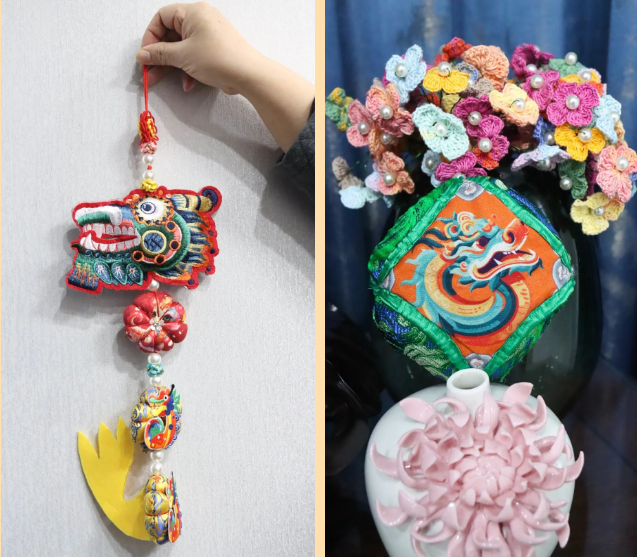
Xiangbao
Introduction
Xiangbao, also known as scented sachets or incense pouches, are traditional Chinese handicrafts filled with aromatic herbs. These small fabric pouches are not only appreciated for their pleasant fragrance but also for their cultural significance and artistic value. Historically, xiangbao have been used for various purposes, including as protective amulets, decorative pieces, and gifts during festivals. The tradition of making and using xiangbao is deeply rooted in Chinese culture, with each region showcasing unique styles and techniques.
History
The history of xiangbao dates back to antiquity, with references found in ancient Chinese texts such as the Huangdi Neijing (Inner Canon of Yellow Emperor), which documented their use for preventing plague and repelling snakes. Over the centuries, the craft of making xiangbao has evolved, adopting various designs and patterns that reflect the cultural and artistic traditions of different regions. The Qingyang sachet from Gansu province, for example, is a time-honored craft with a history of over 800 years, showcasing intricate designs and rich aromas. Listed as a National Intangible Cultural Heritage in 2006, the Qingyang sachet exemplifies the enduring legacy of this traditional craft.
Cultural Significance
Xiangbao hold significant cultural importance in Chinese society. Traditionally, they were worn as amulets to protect against evil spirits and diseases, especially during Dragon Boat Festival. The use of aromatic herbs in xiangbao is believed to enhance immunity and promote well-being, aligning with the principles of traditional Chinese medicine. Moreover, xiangbao serve as expressions of cultural identity and artistic heritage, with each design carrying symbolic meanings such as prosperity, love, and happiness. In regions like Qingyang, xiangbao have become symbols of hope and resilience, providing economic opportunities and preserving cultural traditions.
Traditional Craftsmanship
Materials
The crafting of xiangbao involves the use of various materials, including fabric, threads, and aromatic herbs. The fabric is typically selected for its quality and texture, with options ranging from silk to cotton. The herbs used as fillings vary widely and often include traditional Chinese medicinal plants like calamus, borneol, and moxa grass, each contributing to the unique fragrance and therapeutic properties of the sachet. The selection of materials is crucial, as it influences both the aesthetic appeal and the functional efficacy of the xiangbao.
Techniques
Creating xiangbao requires meticulous craftsmanship, with skills passed down through generations. The process begins with cutting the fabric into desired shapes, which can range from simple geometric forms to elaborate animal and floral designs. Next, intricate embroidery techniques are employed to embellish the fabric with colorful patterns, often inspired by traditional motifs. Once the embroidery is complete, the sachet is filled with aromatic herbs and securely sewn shut. Finally, decorative elements such as ribbons and tassels are added to enhance the visual appeal of the xiangbao. Mastery of these techniques is essential for producing high-quality xiangbao that embody both beauty and cultural significance.
Varieties and Designs
Xiangbao come in a diverse array of varieties and designs, each reflecting the regional characteristics and cultural influences of its origin. In Mouding county, Yunnan province, for example, scented sachets are crafted in the shapes of plum blossoms, chrysanthemums, and animals like tigers and monkeys. These designs not only serve decorative purposes but also convey symbolic meanings associated with health, protection, and auspiciousness. In Qingyang, Gansu province, the sachets feature a vast collection of intricate patterns and designs, often inspired by local folklore and religious beliefs. The adaptability of xiangbao designs allows them to remain relevant and appealing in contemporary contexts, bridging the gap between traditional art forms and modern fashion.
Modern Influence and Adaptation
In recent years, xiangbao have undergone a revival, influenced by modern aesthetics and consumer tastes. Artisans and designers have embraced innovative approaches, blending traditional techniques with contemporary elements to create fashionable accessories. For instance, the Nanjing Yunjin Brocade Research Institute has collaborated with Lanzhou Foci Pharmaceutical Co to produce sachets using the Yunjin brocade technique, an intangible cultural heritage known for its exquisite patterns and smooth texture. These modern xiangbao are marketed as versatile fashion pieces, such as necklaces, key chains, and handbag pendants, attracting a younger audience and expanding their appeal beyond traditional boundaries.
Preservation and Promotion Efforts
Efforts to preserve and promote the craft of xiangbao are crucial for safeguarding this intangible cultural heritage. Artisans like Liu Lanfang in Qingyang have played a vital role in revitalizing the craft, organizing local women to produce xiangbao and providing them with economic opportunities. Training programs and workshops facilitate the transfer of skills to new generations, ensuring the continuity of traditional craftsmanship. Additionally, collaborations between cultural institutions and businesses support the development of new designs and market expansion, further enhancing the visibility and viability of xiangbao as a cultural commodity in both domestic and international markets.








