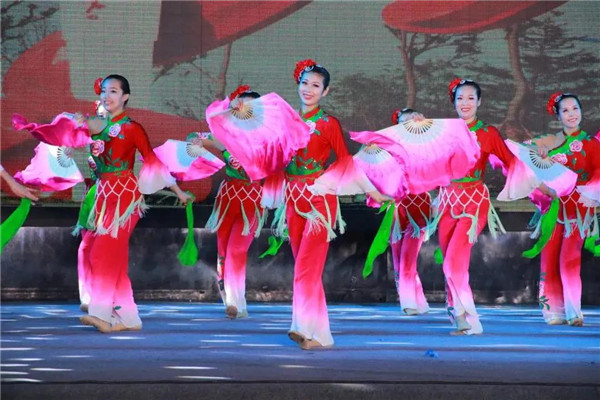
Yangko
Introduction
Yangko, also known as "Yangge", is a popular form of folk dance in China, particularly prevalent in the northern regions. It is traditionally performed during festivals and celebrations such as the Chinese New Year, playing a significant role in cultural and communal gatherings.
The dance is characterized by its lively movements, vibrant costumes, and the use of handkerchiefs or fans. Yangko is not only a form of entertainment but also a symbol of cultural heritage, embodying the joyous spirit and communal harmony of Chinese culture.
History and Origins
The origins of yangko can be traced back to ancient agricultural rituals. It was originally performed by farmers to celebrate harvests and express gratitude to deities for a good yield. Over time, it evolved into a popular form of entertainment, performed during festivals and celebrations. The dance reflects the agrarian roots of Chinese society and has been passed down through generations, preserving its traditional elements while also adapting to contemporary cultural contexts.
Characteristics and Movements
Yangko is known for its dynamic and expressive movements. The dancers often move in synchronized lines or circles, using exaggerated steps and gestures to convey festive joy. The dance is typically accompanied by traditional Chinese music, including percussion instruments like drums and gongs.
Dancers often wear colorful costumes and use props such as fans and handkerchiefs, which they skillfully manipulate to enhance the visual appeal of their performance. The choreography often involves playful and humorous elements, engaging both the dancers and the audience.
Cultural Significance
Yangko dance holds significant cultural value as a representation of Chinese folk traditions. It serves as a medium for community bonding and cultural expression, often performed during significant cultural events and festivals. It is a vehicle for preserving intangible cultural heritage, fostering a sense of identity and pride among performers and spectators alike.
Modern Adaptations and Preservation
In recent years, efforts have been made to preserve and promote yangko as an integral part of China's intangible cultural heritage. Projects led by scholars and cultural organizations aim to document and study this traditional art form, ensuring its transmission to future generations. Workshops, performances and competitions are organized to engage younger audiences and encourage their participation in yangko dance.
Additionally, modern adaptations have been introduced, incorporating contemporary music and choreography while retaining the dance's traditional core. These initiatives reflect a broader trend of cultural preservation and innovation, highlighting the enduring relevance of yangko dance in contemporary society.








