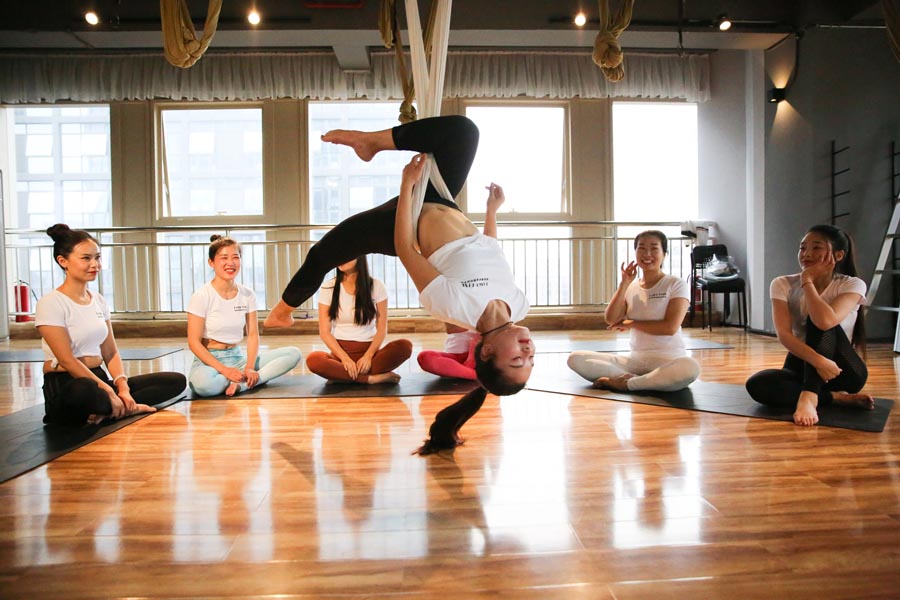
Yoga
Introduction
Yoga is a group of physical, mental, and spiritual practices that originated in ancient India. It is widely practiced for its numerous health benefits, which include enhancing flexibility, strength, and mindfulness. Over the years, yoga's global popularity has grown significantly, transcending its spiritual roots to become a mainstream form of physical exercise and a tool for mental well-being.
Historical Background
The origins of yoga can be traced back over 3,000 years to the Indus-Sarasvati civilization in Northern India. The word "yoga" was first mentioned in ancient Indian texts called the Rig Veda. Bhagavad Gita is part of the epic Mahabharata and contains teachings on bhakti (devotion), jnana (knowledge), and karma (action) yoga—three essential components of the yoga tradition.
Styles and Practices
Yoga has evolved into numerous styles, each with specific practices and focuses. Some of the most well-known types include:
Hatha Yoga: Often considered the foundation of all modern yoga styles, it focuses on physical postures (asanas) and breath control (pranayama) to prepare the body and mind for meditation.
Vinyasa Yoga: Known for its fluid, movement-intensive practices, Vinyasa yoga synchronizes breath with movement in a dynamic sequence of poses.
Ashtanga Yoga: A rigorous style of yoga that follows a specific sequence of postures and is known for building strength, flexibility, and stamina.
Iyengar Yoga: Emphasizes precision and alignment in the performance of postures. It often uses props such as belts, blocks, and blankets to aid practitioners in achieving the ideal alignment.
Bikram Yoga: A form of hot yoga that consists of a fixed sequence of 26 poses practiced in a room heated to 105°F (40°C) with 40% humidity.
Health Benefits
Regular yoga practice provides a range of physical and mental health benefits, including:
Improved Flexibility: Yoga stretches the muscles, increasing the range of motion and mobility.
Enhanced Strength: Many yoga poses require body weight support, building muscle strength.
Better Posture: Yoga promotes body awareness and alignment.
Relaxation and Stress Relief: Deep breathing and mindful movement promote relaxation, reducing stress and anxiety.
Improved Breathing: Practices like pranayama enhance lung capacity and function.
Mindfulness and Mental Clarity: Yoga encourages mindfulness, improving concentration and mental clarity.
Cultural Exchange and Modern Adaptation
Yoga has transcended its Indian roots and has been adapted globally, leading to a cross-cultural exchange of practices. In China, for instance, yoga is not only a form of exercise but also a cultural bridge between China and India. The China-India Yoga College in Yunnan Minzu University exemplifies this exchange, where yoga is studied alongside traditional Chinese practices like Taiji, highlighting the philosophical similarities between the two ancient cultures.
In modern times, yoga has also adapted to include various contemporary styles and practices, such as music-inspired yoga sessions and fitness-oriented adaptations. Popular trends include incorporating yoga into lifestyle activities, such as camping, wellness retreats, and outdoor events, making it accessible to a broader audience.








