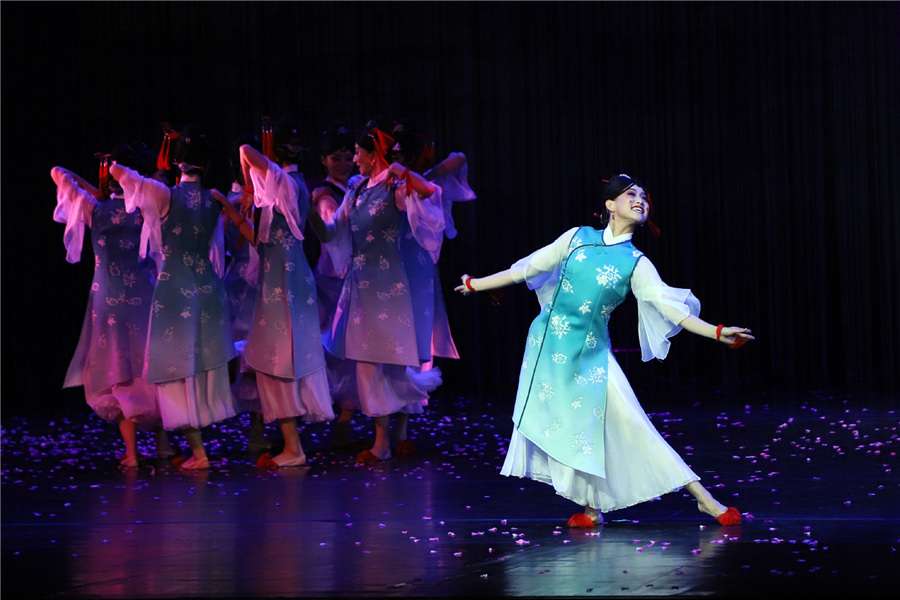
Yuanqu
Introduction
Yuanqu, or Yuan Opera, evolved from popular folk songs. It spread extensively in the northern and southern regions of China, mainly from two cities - Dadu (now Beijing) and Lin'an (now Hangzhou) in the 13th century.
Features
The defining feature of Yuanqu is its adherence to a structured format, which includes strict regulations concerning meter, rhyme and lyrical composition. Unlike earlier forms of Chinese poetry, Yuanqu integrates musical elements, making it performative in nature. The combination of strict poetic rules and musical accompaniment in Yuanqu made it a unique and innovative form of literature during the Yuan Dynasty (1271-1368).
Major Works
Several significant works from the Yuan Dynasty exemplify the characteristics and thematic elements of Yuanqu. Among the most notable is "Dou E Yuan" (Injustice to Dou E) by Guan Hanqing, a leading playwright and poet of the era. This classic tale explores themes of injustice and morality, and its compelling narrative has endured through the centuries as an iconic representation of Yuanqu's dramatic potential. Another prominent work is "Romance of the Western Chamber" by playwright Wang Shifu, which remains influential in Chinese literature for its exploration of love and societal constraints.
The ongoing influence of Yuanqu is evident in modern adaptations of classics such as "Romance of the Western Chamber". Such adaptations underscore the versatility and lasting appeal of Yuanqu in both traditional and contemporary contexts.








