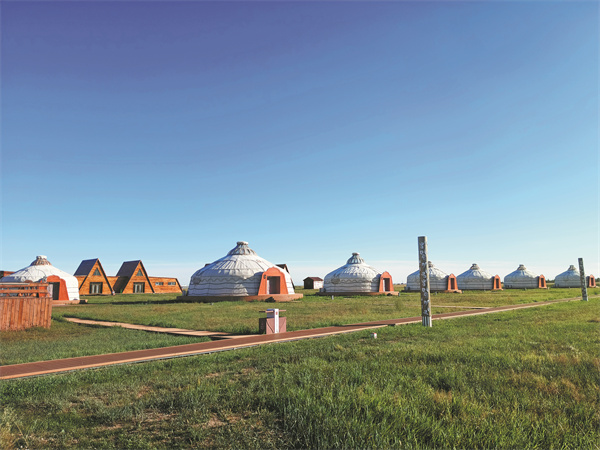
Yurts
Introduction
A yurt, also known as a ger in some cultures, is a traditional portable, round tent traditionally used as a dwelling by nomadic groups. Yurts have been a vital part of nomadic life for thousands of years, providing a practical and mobile form of shelter that can adapt to the harsh environments of the steppes. These structures are known for their unique circular design and the use of materials like felt and wood.
Historical Background
Yurts have a rich history deeply intertwined with the nomadic cultures in northern China. These portable tents have been an essential element for nomadic tribes who relied heavily on yurts due to their mobility, durability and ability to withstand extreme weather conditions. The design of the yurt has evolved over centuries, maintaining its fundamental shape while incorporating various cultural and practical adaptations.
Traditional Design and Construction
The basic structure of a traditional yurt includes a wooden frame made of lattice walls (known as khana), a door frame, rafters (uni), and a crown (toono) that acts as a skylight and chimney. The frame is typically covered with felt made from sheep's wool and sometimes layered with additional protective materials such as canvas. The circular shape of the yurt provides a high degree of stability against harsh winds and heavy snow.
Cultural Significance
Yurts are more than just practical structures; they hold significant cultural value. They are seen as symbols of nomadic heritage, representing the simplicity and adaptability of nomadic lifestyles. Yurts are also associated with various cultural rituals and family gatherings, serving as central spaces for social interaction and traditional ceremonies.
Modern Adaptations
In recent years, the traditional yurt has evolved to meet modern needs. Innovators like Burenbayar in Inner Mongolia have introduced new designs featuring modern materials and conveniences to attract tourists and adapt to changing lifestyles. Modern yurts may incorporate glass domes for star gazing, hotel-like amenities such as card-activated door locks and indoor plumbing, and larger sizes to accommodate groups for performances or events.
The modernization of yurts has also had a positive economic impact, bringing income to local herders and promoting tourism. The appeal of staying in a modernized yurt has become a must for tourists visiting grassland areas, blending traditional cultural experiences with modern comforts.
Preservation of Tradition
Despite these modern changes, efforts are made to preserve the traditional elements and cultural heritage associated with yurts. Local craftsmen remain dedicated to maintaining traditional yurt construction techniques.








