Acupuncture
Introduction
Acupuncture is an ancient Chinese medical practice that has been used as a remedy for various health issues for thousands of years. Originating from the instinctual use of stone tools to alleviate pain, acupuncture has evolved into a comprehensive and profound medical system. It is grounded in the principles of traditional Chinese medicine, which emphasize holistic treatment, meridian adjustment, balance of bodily functions, and overall physiological well-being. Acupuncture aims to promote the body's self-regulating functions. The practice involves various techniques, including needle insertion, cupping and moxibustion. The most common method is the insertion of hair-thin needles into specific points on the body that channel vital energy, known as qi. Practitioners manipulate these needles to unblock energy flow, restore yin and yang balance, and stimulate the body's innate healing potential. The global recognition of acupuncture has grown significantly, with its application becoming mainstream in alternative and complementary treatments worldwide. According to a 2019 WHO report, acupuncture is used in 113 of its 120 member countries, illustrating its widespread recognition and application.
History
Origins and Development
Acupuncture's origins can be traced back to ancient China, where it was developed from the use of stone needles to relieve pain. Over the centuries, this practice evolved into a sophisticated medical system deeply rooted in traditional Chinese medicine's philosophical concepts. Early texts such as the "Huangdi Neijing" (Yellow Emperor's Inner Canon) provide foundational knowledge on acupuncture techniques and the understanding of meridians and qi. This ancient practice became a crucial component of traditional Chinese medicine, embodying the holistic approach to health and wellness that characterizes the discipline.
Acupuncture in Different Cultures
Although acupuncture originated in China, its influence has spread globally, with various cultures adopting and adapting its practices. For example, Acupuncture was introduced to India in 1959 by B.K. Basu and has become increasingly popular there, especially in states like West Bengal and Maharashtra. Similarly, acupuncture has gained recognition in Western cultures, with countries like the United States integrating it into healthcare systems as an alternative treatment for pain management and other health conditions. The practice's widespread adoption is evidenced by its recognition as a "system of healthcare" in various countries and its inclusion in UNESCO's intangible world heritages.
Modern Adaptations
In modern times, acupuncture has undergone significant adaptations, integrating scientific research and advancements in medicine. The practice has been embraced as a complementary treatment in various countries, with regulatory bodies established to oversee its practice. In the United States, acupuncture has been integrated into federal health documents as a non-drug alternative to opioids, highlighting its potential in addressing the opioid epidemic. Acupuncturists in the US have organized workshops to familiarize themselves with the insurance system, aiming to make acupuncture more accessible to the public. Modern adaptations also include the development of techniques like electroacupuncture, which combines traditional needle insertion with electrical stimulation to enhance therapeutic effects.
Principles of Acupuncture
Meridians and Acupoints
The theoretical foundation of acupuncture is based on the concept of meridians and acupoints. According to traditional Chinese medicine, the human body is interconnected by a network of meridians through which life energy, or qi, flows. There are 12 primary meridians, each associated with a specific organ system, and numerous acupoints located along these pathways. Stimulating these acupoints through techniques like needle insertion is believed to restore the balance of qi, unblocking any stagnation and promoting the body's natural healing processes. This intricate system highlights acupuncture's holistic approach, focusing on treating the root cause of health issues rather than merely alleviating symptoms.
Qi and Balance
Central to acupuncture is the concept of qi, the vital energy that circulates through the body along the meridians. Traditional Chinese medicine emphasizes maintaining a balance between the opposing forces of yin and yang to ensure optimal health. Disruptions in the flow of qi are believed to lead to physical and emotional ailments. Acupuncture aims to restore this balance by targeting specific acupoints, allowing the free flow of qi and harmonizing the body's internal environment. This holistic perspective on health underscores acupuncture's focus on overall well-being, rather than isolated treatment of symptoms.
Techniques
Needle Insertion
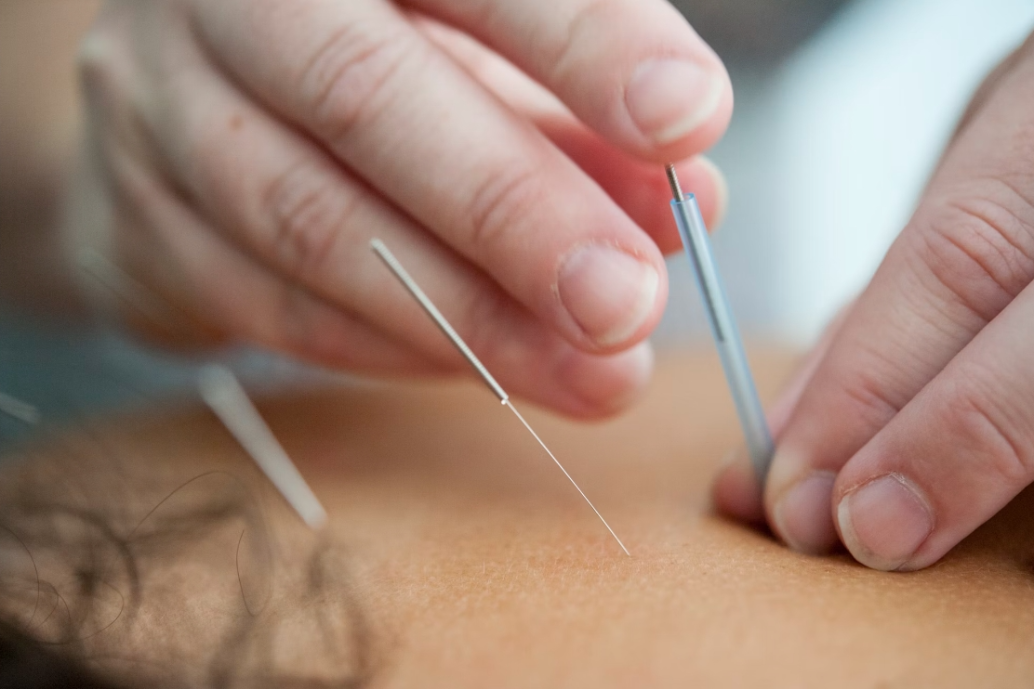
The most widely recognized technique in acupuncture is needle insertion, where fine, hair-thin needles are carefully inserted into specific acupoints on the body's surface. Practitioners use various techniques, such as lifting, twirling, and rotating the needles, to manipulate the flow of qi and stimulate the body's self-healing capacities. Despite initial apprehensions about pain, patients often find acupuncture to be a soothing experience, with many reporting relief from chronic pain, stress, and other health issues. The precision and skill required in needle insertion highlight the extensive training and expertise of acupuncturists.
Moxibustion
Moxibustion is a traditional Chinese medicine therapy that involves burning dried mugwort, known as moxa, on or near the skin to warm and invigorate the flow of qi. This technique is often used in conjunction with acupuncture to enhance therapeutic effects. Moxibustion is believed to stimulate blood circulation, boost the immune system, and alleviate pain, making it a valuable complementary practice in acupuncture treatment. The warming properties of moxa are particularly beneficial for conditions associated with cold and dampness, providing a holistic approach to healing.
Cupping
Cupping therapy involves placing heated cups on the skin to create a suction effect, drawing blood to the surface and promoting circulation. This technique is often used alongside acupuncture to relieve muscle tension, reduce inflammation, and improve overall well-being. The therapeutic benefits of cupping have made it a popular addition to acupuncture treatments, offering relief for conditions such as back pain, migraines, and respiratory issues. By incorporating cupping, acupuncture practitioners can provide a multifaceted approach to addressing various health concerns.
Electroacupuncture
Electroacupuncture is a modern adaptation of traditional acupuncture that combines needle insertion with electrical stimulation. In this technique, small electrodes are attached to the needles, delivering gentle electrical pulses to the acupoints. This enhances the therapeutic effects of acupuncture, providing more pronounced relief for conditions such as chronic pain, muscle spasms, and neurological disorders. By integrating technology with traditional techniques, electroacupuncture offers a contemporary approach to acupuncture treatment, broadening its application in modern healthcare.
Research and Efficacy
Scientific research on acupuncture has grown significantly, with numerous studies investigating its efficacy in treating various health conditions. Research has shown that acupuncture can effectively alleviate chronic pain, improve mental clarity, and promote overall well-being. Studies have also demonstrated its potential in treating conditions such as migraines, osteoarthritis, and post-stroke recovery. The growing body of evidence supporting acupuncture's therapeutic benefits has contributed to its increasing acceptance in mainstream medicine, highlighting its value as a complementary treatment option.
Cultural Impact and Global Adoption
Acupuncture Worldwide
Acupuncture's cultural impact is evident in its widespread adoption across the globe. Practiced in many different countries and regions, acupuncture is recognized as a valuable component of healthcare systems worldwide. Its integration into clinical practice guidelines in countries like the United States and the UK reflects its growing acceptance as a complementary treatment for conditions such as pain and mental health disorders. Acupuncture's global reach underscores its significance as a cross-cultural bridge, uniting diverse medical traditions in pursuit of holistic healing.
Integration into Western Medicine
The integration of acupuncture into Western medicine is a testament to its growing recognition as a complementary treatment option. In countries like the United States, acupuncture is increasingly being incorporated into healthcare systems as an alternative to conventional treatments for pain management and other health conditions. The development of regulatory bodies, such as the California Acupuncture Board, has facilitated acupuncture's integration into mainstream healthcare, ensuring that practitioners meet rigorous training and certification standards. This integration highlights acupuncture's potential to enhance patient care and wellness in a holistic manner.
Regulations and Education
Licensing and Certification
The practice of acupuncture is regulated in many countries to ensure the safety and efficacy of treatments. Licensing and certification bodies, such as the California Acupuncture Board, oversee the qualifications and standards of acupuncturists, requiring rigorous training and examination processes. These regulations ensure that practitioners possess the necessary skills and knowledge to provide safe and effective treatments, fostering public confidence in acupuncture as a legitimate healthcare option.
Training Programs
Training programs for acupuncturists are designed to equip practitioners with comprehensive knowledge of traditional Chinese medicine, acupuncture techniques, and modern medical practices. Programs typically include extensive coursework in anatomy, physiology, and acupuncture theory, as well as clinical internships to develop practical skills. Accredited programs ensure that graduates meet the required standards for certification and licensing, preparing them to provide high-quality care to patients.








