Dumplings
Introduction
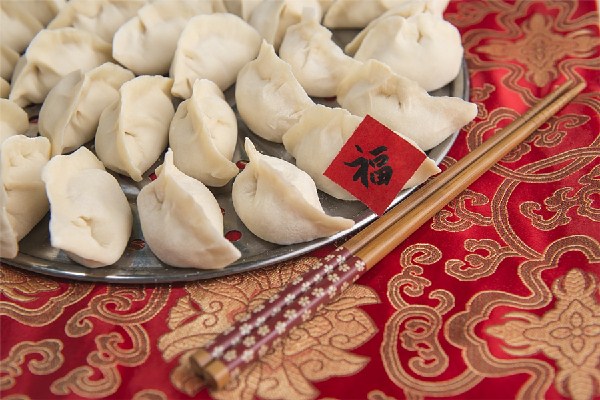
Dumplings are an integral part of Chinese culinary tradition. They hold a special place in Chinese culture, especially during festive occasions such as the Spring Festival, as they symbolize reunion, fortune, and prosperity.
Cultural Significance
Dumplings are traditionally eaten during the Chinese New Year, where they are believed to bring wealth and prosperity. Their shape resembles ancient Chinese gold ingots, reinforcing their association with wealth. During the Spring Festival, dumplings are often made before noon on New Year's Eve and consumed at midnight to mark the transition to the new year. A common practice is to hide coins or nuts inside some dumplings to create "fortune dumplings," symbolizing good luck for the year to come.
Varieties of Dumplings
There are numerous types of dumplings across China, each reflecting the local flavor and tradition. In Northern China, dumplings are often filled with meat and vegetables and are a staple for New Year's Eve dinners. Meanwhile, in the South, different varieties such as tangyuan (sweet dumplings) are more common. These are made from glutinous rice flour and filled with sweet pastes, reflecting happiness and reunion.
Preparation and Regional Differences
Dumplings can be boiled, steamed, or fried and come in various shapes such as crescents or pyramids. The preparation involves a delicate balance of filling and dough, with each step requiring precision and skill. For example, the famous "xiaolongbao" or soup dumplings from Shanghai require thin dough to hold the juice inside, demanding expert craftsmanship to ensure the skin remains intact during cooking.
Contemporary Adaptations
The versatility of dumplings allows for various fillings, from the traditional pork and cabbage to more modern ingredients like seafood or even chocolate for a dessert option. Culinary innovations have led to creations like dumplings filled with dry-aged beef or crab roe, catering to diverse palates and dietary preferences.
Dumplings are not only a culinary delight but a cultural icon, representing a blend of tradition and modernity. They are a testament to the rich tapestry of Chinese food culture, enjoyed worldwide and continuously evolving with new influences while maintaining their traditional roots.








