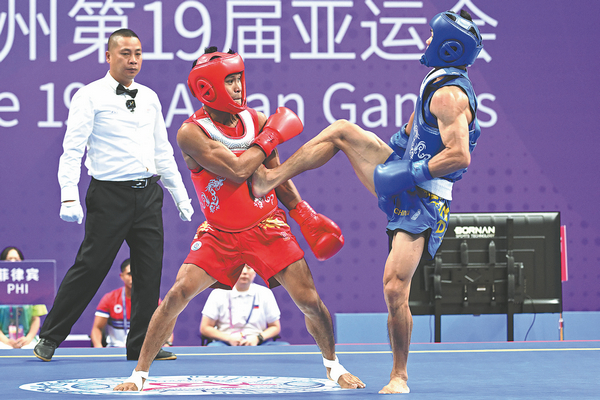
Boxing
Introduction
Boxing, often referred to as the "sweet science", is a combat sport in which two competitors fight using their fists. It is a sport with deep historical roots, evolving into a regulated competitive activity that tests an athlete's strength, strategy, stamina and resilience.
Historical Background
The origins of boxing can be traced back to ancient civilizations. The earliest depictions of boxing come from the Sumerian relief carvings from the 3rd millennium BC and the Egyptian reliefs from about a millennium later. The Greeks were the first to make boxing a formal sport during the Olympic Games in 688 BC, where it became an integral part of their athletic competitions.
Boxing in its modern form began to take shape in England in the 17th century. The rules were rudimentary, with bare-knuckle fighting being the norm. It wasn't until the late 19th century that the sport began to formalize with the introduction of the Marquess of Queensberry rules, named after John Douglas, the 9th Marquess of Queensberry. These rules introduced the use of gloves, established timed rounds, and regulated the fight with referees.
The Rules of Boxing
Under the Marquess of Queensberry rules, boxing matches are divided into rounds, usually three minutes long, with a one-minute rest period in between. The primary objective for each fighter is to land punches on their opponent, scoring points for clean, effective hits while avoiding being hit themselves. A boxer can win by knocking out the opponent, forcing the opponent to be unable to continue, or by earning more points than the opponent by the end of the match.
The sport is contested in weight classes to ensure fair competition, ranging from flyweight to heavyweight. Fighters are required to wear gloves, and the bout is overseen by a referee who ensures adherence to the rules and can stop the fight if necessary.
Boxing Styles and Techniques
Boxing is not just about physical strength but also about strategy and technique. Boxers employ a variety of styles and tactics, including:
Out-Boxing: A defensive style focused on keeping the opponent at bay with long-range punches, primarily jabs and crosses.
In-Fighting: An aggressive style where the boxer fights at close range, using hooks and uppercuts.
Counterpunching: A style where the boxer relies on defensive skills and waits for the opponent to strike first to launch a counterattack.
Brawling: A less technical style characterized by aggressive and often reckless fighting, relying on power and stamina.
Boxing Training and Fitness
Boxing training is rigorous and comprehensive, focusing on developing physical and mental fortitude. A boxer's training regime typically includes cardiovascular conditioning, strength training, speed work and sparring.
Cardiovascular Training: Essential for stamina, incorporating running, skipping and shadowboxing.
Strength Training: Builds muscle endurance and power, often including bodyweight exercises, weightlifting and resistance training.
Speed Work: Enhances hand speed and reaction time through drills and focused mitt work.
Sparring: Provides practical experience, allowing fighters to apply techniques against live opponents in a controlled environment.
Boxing also emphasizes the importance of diet and recovery, with athletes often working closely with nutritionists and fitness coaches to maintain peak physical condition.
Global Popularity and Cultural Impact
Boxing is a sport with global appeal, enjoyed by audiences around the world. Iconic boxers such as Muhammad Ali, Mike Tyson and Manny Pacquiao have transcended the sport to become cultural icons. Their stories of triumph and struggle resonate with fans, highlighting boxing's role as not just a sport but a narrative of human resilience.
In recent decades, boxing has also seen the rise of female fighters, increasing the sport's inclusivity and popularity. Champions like Laila Ali and Katie Taylor have paved the way for women in boxing, inspiring a new generation of athletes.
The sport continues to evolve, incorporating advancements in sports science and technology to enhance training and safety measures. With its rich history and enduring appeal, boxing remains a dynamic and influential sport, captivating the hearts and minds of competitors and fans alike.








