Cantopop
Introduction
Cantopop, short for Cantonese popular music, is a genre that originated in Hong Kong Special Administrative Region and has become a cultural emblem of the region. Emerging in the mid-20th century, Cantopop combines Western musical influences with traditional Chinese elements, creating a distinctive style that has captivated audiences across Asia and beyond. Sung primarily in Cantonese, this genre reflects the linguistic and cultural identity of Hong Kong, serving as a medium for storytelling and emotional expression. Cantopop is not just a form of entertainment; it represents the social and historical zeitgeist of Hong Kong over the decades.
Origins and Birthplace
Cantopop began to take shape in the 1950s and 1960s with the advent of Hong Kong cinema. Cantonese songs featured in films, often as theme songs, introduced audiences to melodic tunes that resonated with local culture. The 1970s marked the true emergence of Cantopop as a standalone music genre. This period saw the rise of television in Hong Kong, with broadcasting networks like TVB using Cantonese songs as theme music for popular dramas, propelling them to mainstream success.
Hong Kong's unique status as a cultural and economic hub contributed to Cantopop's development. Influences from Western genres such as jazz, rock, and disco began to blend with traditional Chinese melodies, creating a hybrid sound that was distinctly Hong Kong. This cross-cultural synthesis, combined with the city's thriving entertainment industry, established Hong Kong as the birthplace and epicenter of Cantopop.
Features and Style
Cantopop is characterized by its melodic simplicity and emotional depth, often blending Western instrumentation with Cantonese lyrical artistry. Lyrics play a crucial role in defining the genre, frequently drawing on themes of love, loss, family, and social commentary. The use of Cantonese adds a unique dimension to the songs, as the melodies must align with the tonal pronunciation of the words.
Musically, Cantopop has evolved through several phases. Early Cantopop of the 1970s drew heavily from Western ballads and folk music, while the 1980s and 1990s saw the incorporation of electronic elements and dance beats, reflecting global music trends. This era, often considered the golden age of Cantopop, was dominated by legendary artists like Leslie Cheung, Alan Tam, and the band Beyond. Their music not only defined a generation but also set the standard for subsequent artists.
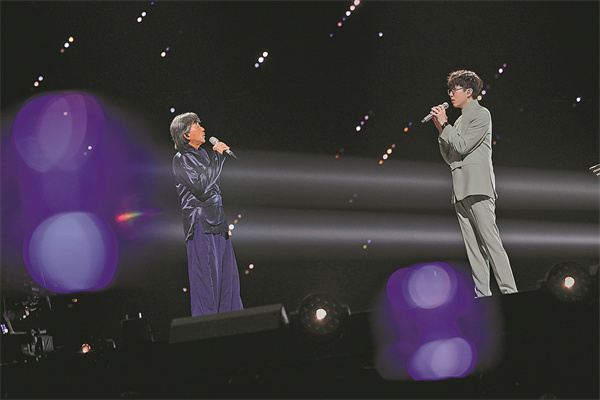
Visual presentation is another hallmark of Cantopop. Music videos and stage performances often emphasize storytelling and dramatic aesthetics, enhancing the emotional appeal of the songs. Artists’ charismatic personas and elaborate live performances contribute to their enduring popularity.
Influence and Legacy
Cantopop has played a significant role in shaping Hong Kong's cultural identity. During the 1980s and 1990s, Cantopop became a pan-Asian phenomenon, with artists achieving fame in the Chinese mainland and Southeast Asia. The genre's influence also extended to the global Chinese diaspora, serving as a cultural bridge.
Despite challenges in recent decades, including competition from Mandopop (Mandarin popular music) and shifts in audience preferences, Cantopop remains a vital part of Hong Kong's cultural heritage. Recent revivals, driven by younger artists and renewed interest in nostalgia, signal a promising future for the genre.








