Chabaixi
Introduction
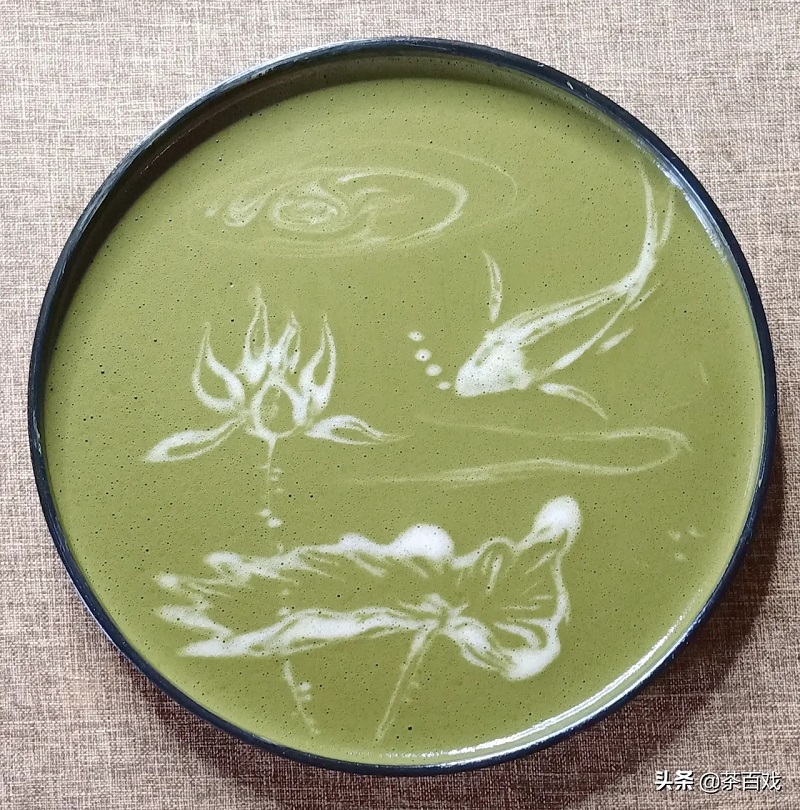
Chabaixi, also known as tea acrobatics, is an ancient Chinese art form that involves creating intricate patterns on the surface of tea foam. Originating during the Tang Dynasty (618–907) and flourishing in the Song Dynasty (960–1279), this technique elevates tea from a simple beverage to a creative art form. The process involves grinding tea leaves into a fine powder, whisking it with hot water to produce a frothy surface, and using a bamboo teaspoon or similar utensil to draw delicate designs, such as flowers, birds, or landscapes. Chabaixi is considered a unique expression of Chinese tea culture, combining aesthetic values with spiritual and social significance.
History
The history of chabaixi dates back to the Tang Dynasty, when tea culture began to take root in Chinese society. During the Song Dynasty, the art reached its peak, becoming a popular pastime among scholars, poets, and monks. The technique was often depicted and praised in literary works by renowned authors such as Su Shi, Lu You, and Yang Wanli. Over time, chabaixi became an integral part of tea culture, symbolizing harmony, beauty, and refinement.
Despite its historical prominence, the art of chabaixi gradually faded from public memory. Efforts to revive the tradition began in the late 20th century, with scholars and tea experts delving into ancient texts and records to rediscover the techniques. Zhang Zhifeng, a representative inheritor of chabaixi from Fujian province, played a pivotal role in restoring the art. His research and dedication have brought this intangible cultural heritage back to life, ensuring its preservation for future generations.
Cultural Significance
Origins and Evolution
Chabaixi originated as a sophisticated tea-drinking ritual during the Tang Dynasty and evolved into a creative art form during the Song Dynasty. The process of whisking powdered tea to create foam, known as "dian cha", laid the foundation for chabaixi. This method was not only a way to enhance the flavor of tea but also a means of artistic expression. The patterns created on the foam reflected the aesthetic tastes and cultural values of the time, serving as a window into the spiritual and social life of ancient China.
Symbolism in Chinese Culture
Chabaixi holds deep symbolic meaning in Chinese culture. It embodies the principles of purity, harmony, and beauty, which are central to traditional Chinese philosophy. The art form also reflects the intellectual and spiritual pursuits of the literati, who regarded tea acrobatics as an elegant pastime. Buddhist monks and Taoist priests appreciated chabaixi as a way to enhance their spiritual practices, using the meditative process of creating patterns to achieve inner peace.
Traditional Practices
Preparation and Presentation
The preparation of chabaixi begins with grinding tea leaves into a fine powder. Hot water is poured over the powder to create a paste, which is then whisked with a bamboo stick to produce a thick layer of white froth. The froth serves as a natural canvas for artistic designs. Using a bamboo teaspoon or similar tool, the artist carefully drips water onto the froth to create intricate patterns, such as flowers, birds, or landscapes. The process requires precision and patience, with the quality of the ingredients and the temperature of the water playing crucial roles in the outcome.
Regional Variations
While the basic technique of chabaixi remains consistent, regional variations have emerged over time. In Fujian province, where the art is recognized as a provincial-level intangible cultural heritage, the use of oolong tea and black tea has been incorporated into the practice. Other regions have developed their own unique styles, influenced by local tea traditions and cultural preferences. These variations add richness and diversity to the art form, showcasing the adaptability of chabaixi within China's vast tea culture.
Influence Abroad
The influence of chabaixi extends beyond China's borders. During the Song Dynasty, the technique was introduced to Japan, where it inspired the development of the matcha tea ceremony. The similarities between dian cha and matcha preparation highlight the cultural exchange between the two countries. Today, chabaixi continues to attract international attention, with events and exhibitions showcasing the art to audiences worldwide. Its intricate designs and historical significance have made it a symbol of Chinese tea culture, fostering mutual understanding and appreciation among different civilizations.
Modern Interpretations
In recent years, chabaixi has experienced a resurgence in popularity, thanks in part to its depiction in television dramas such as A Dream of Splendor. The series has brought the art form to the attention of younger generations, sparking interest in traditional Chinese culture. Modern practitioners, such as Zhang Zhifeng, have adapted the technique to contemporary settings, using innovative methods to teach and promote the art. Workshops, demonstrations, and cultural events have helped integrate chabaixi into modern life, ensuring its relevance in today's fast-paced society.
Preservation and Promotion
Efforts to preserve and promote chabaixi have intensified in recent years. Recognized as an intangible cultural heritage by UNESCO, the art form is now the focus of national and international initiatives. Events such as the Tea for Harmony: Yaji Cultural Salon and International Tea Day celebrations have highlighted the significance of chabaixi within China's tea culture. Training programs, exhibitions, and forums have been organized to educate the public and encourage participation in the art.
Inheritors like Zhang Zhifeng and Zhang Hongyan have played crucial roles in safeguarding chabaixi. Their dedication to research, teaching, and innovation has ensured that the art form remains vibrant and accessible. By integrating chabaixi into cultural tourism, educational programs, and artistic performances, they have created opportunities for people from all walks of life to experience and appreciate this ancient tradition.
Through these efforts, chabaixi continues to thrive, serving as a testament to China's rich cultural heritage and its enduring legacy in the world of tea.








